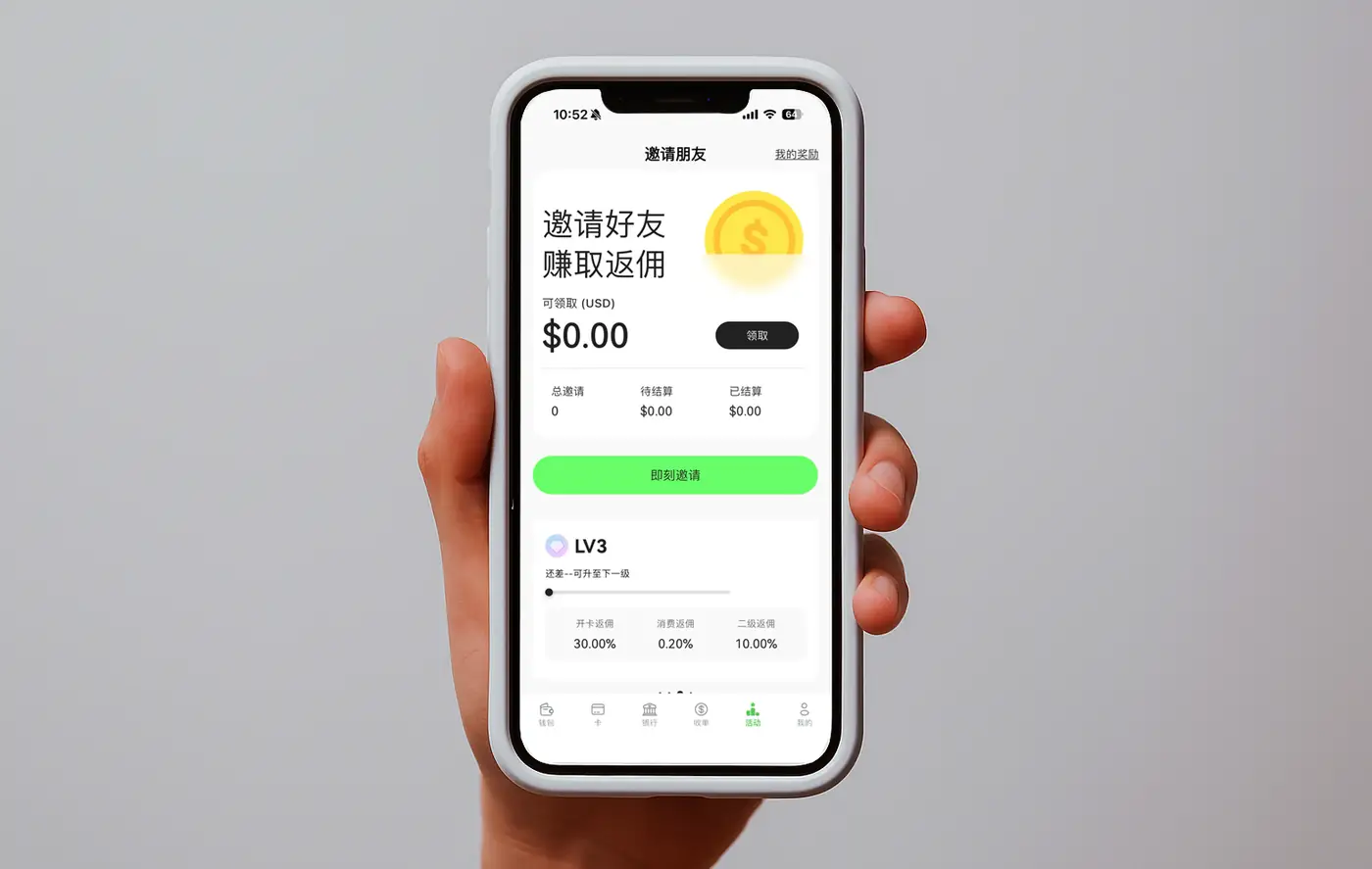
DogPayCard
Businesses holding USDT often need a flexible way to pay for services, subscriptions, and operational expenses. DogPay offers a path to convert USDT into spendable funds via virtual cards. This guide explains how the process works and what to consider.
First, a business needs a DogPay account and a compatible wallet holding USDT. After account setup, the user can initiate a transfer of USDT to the DogPay platform. DogPay's infrastructure supports stablecoin settlement, meaning the USDT is converted into fiat equivalent within the platform (subject to processing times and network confirmations). Once the conversion is complete, funds become available on a dedicated virtual card.
Using the virtual card is straightforward. It can be used for online purchases, software subscriptions, and other digital transactions where card payments are accepted. The card operates through established card networks, but acceptance depends on the merchant and region. Businesses can assign cards to specific teams or projects, aiding spend visibility and control.
DogPay also provides a global account feature, allowing businesses to hold and manage funds in multiple currencies. This can simplify cross-border payments and reduce reliance on traditional banking channels. However, users should verify that their specific use case aligns with DogPay's current features and any applicable regulations.
For businesses seeking a practical way to use USDT for everyday expenses, DogPay can help bridge the gap between cryptocurrency and traditional card payments. The platform is designed for payment operations, offering tools for wallet management, stablecoin settlement, and spend tracking. While not a guarantee of acceptance or success, DogPay provides the infrastructure to streamline how businesses allocate and use digital assets for global spend.