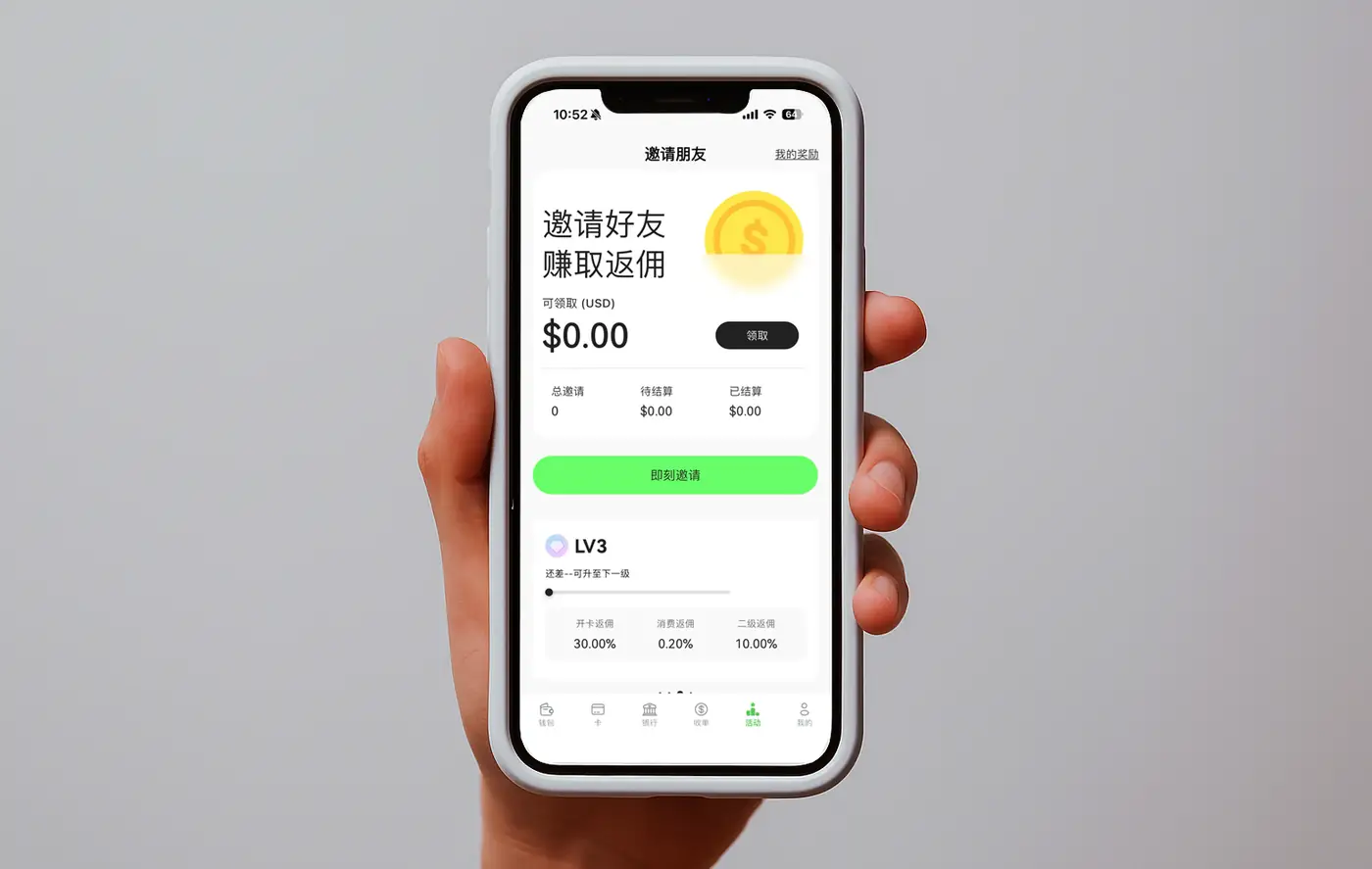
DogPayCard
Businesses holding USDT often face a challenge: turning stablecoin into a practical spending tool. Virtual cards offer a solution, and DogPay provides a workflow to bridge the gap.
First, a business needs a DogPay account where USDT can be held. Once funds are available, the team can request virtual cards, which are then funded from the USDT balance. This process uses stablecoin settlement, meaning transactions are processed in USDT and converted at the point of sale.
These cards work like standard virtual cards for online purchases, subscriptions, and ad spend. They can be used for vendor payments, software licenses, or any merchant that accepts card payments. Because DogPay supports global accounts, businesses can manage multiple currencies and card programs from a single dashboard.
Spend visibility is a key benefit. Each card can have its own limits and controls, allowing finance teams to allocate budgets to different departments or projects. This helps with tracking and reconciliation.
It is important to note that DogPay does not guarantee merchant acceptance. Some merchants may have restrictions on cards issued for certain regions or industries. Businesses should verify compatibility before relying on a single card.
DogPay fits into this workflow by providing the necessary infrastructure: dedicated cards, global accounts, stablecoin settlement, and spend management tools. It helps streamline payment operations for companies that want to use USDT in everyday transactions. While not a bank, DogPay offers a practical bridge between crypto and traditional card payments, enabling businesses to spend stablecoins with greater flexibility and oversight.