DogPayCard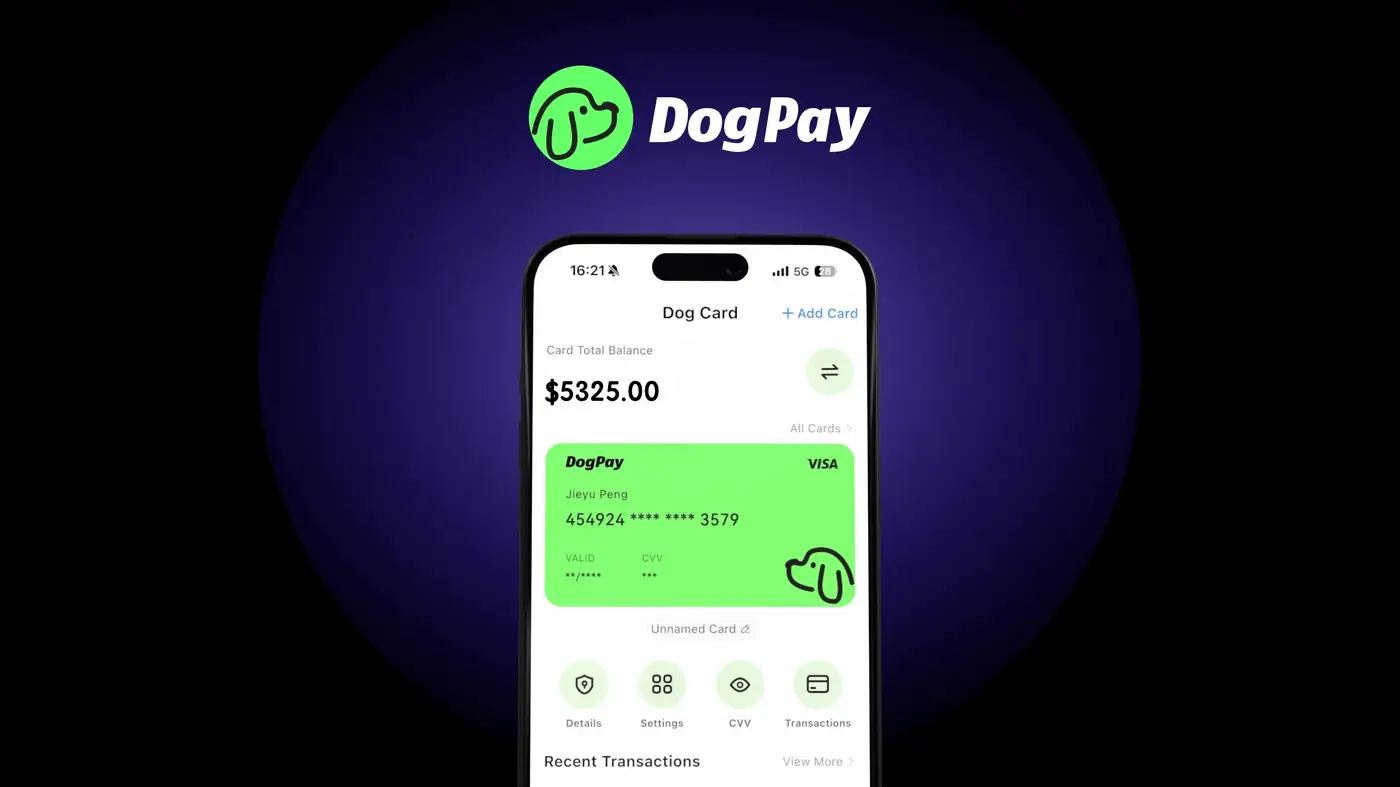
Cross-border payments can be tricky for businesses dealing with multiple currencies and vendors. DogPay offers a practical approach with virtual cards designed for international spend. Here is how businesses can use them.
First, businesses can issue dedicated virtual cards for specific vendors or projects. This keeps spending organized and helps with tracking. Each card can be set with its own limits, giving finance teams better control.
Second, DogPay supports global accounts that allow businesses to hold and manage funds in different currencies. This reduces the need for constant conversions and helps with budgeting.
Third, stablecoin settlement is a key feature. Instead of relying on traditional banking rails, DogPay can settle payments using stablecoins. This can speed up transactions and reduce currency risk, especially when dealing with vendors in different countries.
Businesses can also benefit from spend visibility. DogPay provides a dashboard where teams can see all card transactions in real time. This helps with reconciliation and audit trails.
Finally, DogPay integrates with existing wallet and payment infrastructure, making it easier to add virtual cards to current workflows. However, it is important to note that not all vendors may accept virtual cards, and approval depends on the issuer and network. Always verify with your vendor.
In summary, DogPay can help businesses streamline cross-border payments through dedicated cards, global accounts, and stablecoin settlement. For companies looking to improve payment operations, DogPay offers a flexible toolkit that supports virtual card issuance, spend controls, and multi-currency management. While it does not guarantee every transaction will be accepted, it provides a modern way to handle international spending with greater efficiency and transparency.