
SaaS Payment Card Declined? How Can Businesses Use DogPay for Vendor Payments
 DogPayCard Editorial
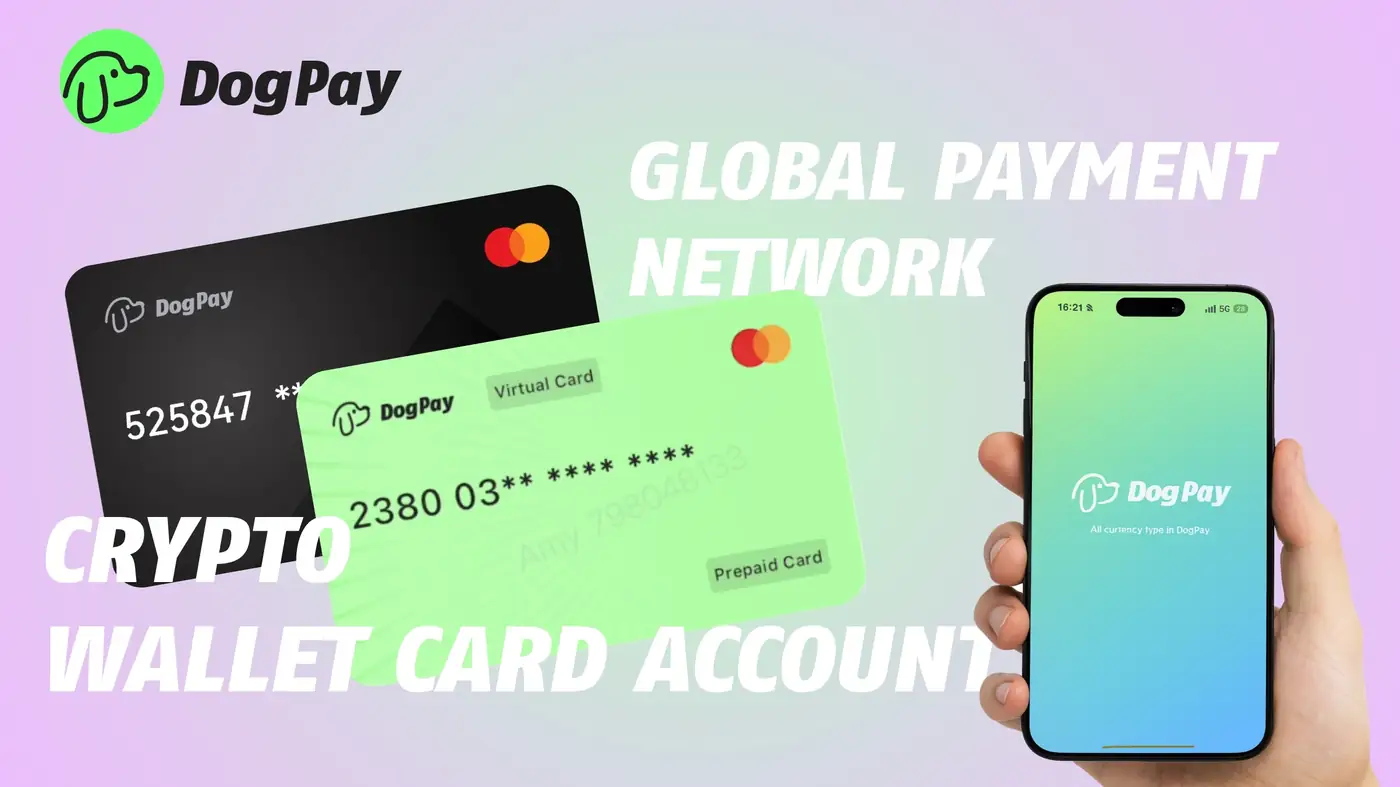
A declined SaaS payment card usually means a subscription, ad platform, or vendor charge could not be completed. Common causes include issuer risk controls, insufficient balance, expired card details, regional mismatch, or unusual spend patterns. The operational problem is not only the failed charge; it is the risk of service interruption and manual follow-up. Businesses can use DogPay to add payment flexibility around vendor charges. DogPay can help with dedicated virtual cards, global accounts, stablecoin settlement, wallet and payment infrastructure, spend visibility, and payment operations. A practical approach is to review the decline reason, confirm the vendor's billing currency and accepted payment method, then route the payment through an appropriate DogPay setup. Dedicated cards can help teams separate vendors, set clearer internal ownership, and monitor recurring charges. Global accounts and stablecoin settlement may support cross-border payment workflows where traditional card rails are less convenient. This does not guarantee approval or acceptance, and businesses should still keep backup payment methods and maintain sufficient balances. For recurring SaaS payments, teams can document card ownership, renewal dates, and escalation contacts. For one-off vendor invoices, a virtual card or account-based transfer may be compared against the vendor's requirements. DogPay fits into the workflow by giving finance and operations teams a more structured way to manage vendor payments, track spend, and respond when a card is declined. It is not a replacement for vendor due diligence or compliance checks, but it can support continuity when traditional payment methods need an alternative path.