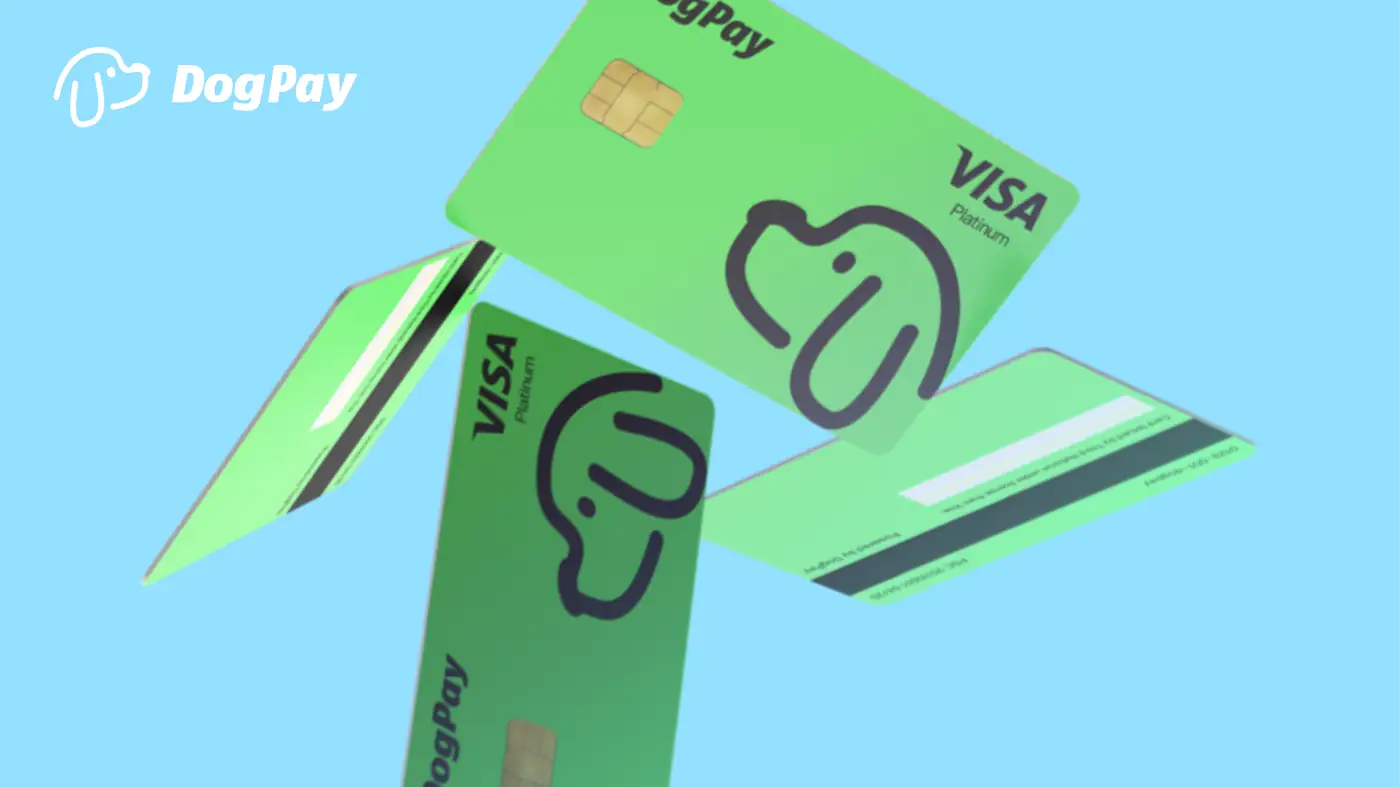
DogPayCard
Managing recurring billing for tools like Claude can be a headache for finance teams. A DogPay virtual card offers a practical way to handle these payments. Here's how your business can use it.
First, create a dedicated virtual card for Claude. DogPay allows you to issue cards that are separate from your main operating account, giving you clear spend visibility. This helps track exactly what the subscription costs each month, simplifying budget reconciliation.
Second, set the card's spending limit to match your subscription amount. This prevents overspending and helps you control costs. Since the card is virtual, it can be paused or closed at any time, giving you flexibility if your team changes tools.
Third, fund the card using DogPay's global account and stablecoin settlement. This can be beneficial for businesses that operate internationally, as it may reduce friction compared to traditional bank transfers. You can load the card with USDC or other supported stablecoins, then use it for the subscription.
Finally, keep track of expenses. DogPay provides transaction data and reporting, which helps your finance team monitor recurring charges. This visibility supports better budgeting and forecasting.
DogPay can fit into your payment workflow by providing dedicated virtual cards, global accounts, and stablecoin settlement. It offers payment infrastructure and spend management tools that help businesses handle subscriptions like Claude with greater control and transparency. While DogPay does not guarantee payment approval or prevent all declines, its features are designed to streamline recurring billing operations for modern businesses.