
International Merchant Card Decline? How Businesses Use DogPay Virtual Cards
 DogPayCard Editorial
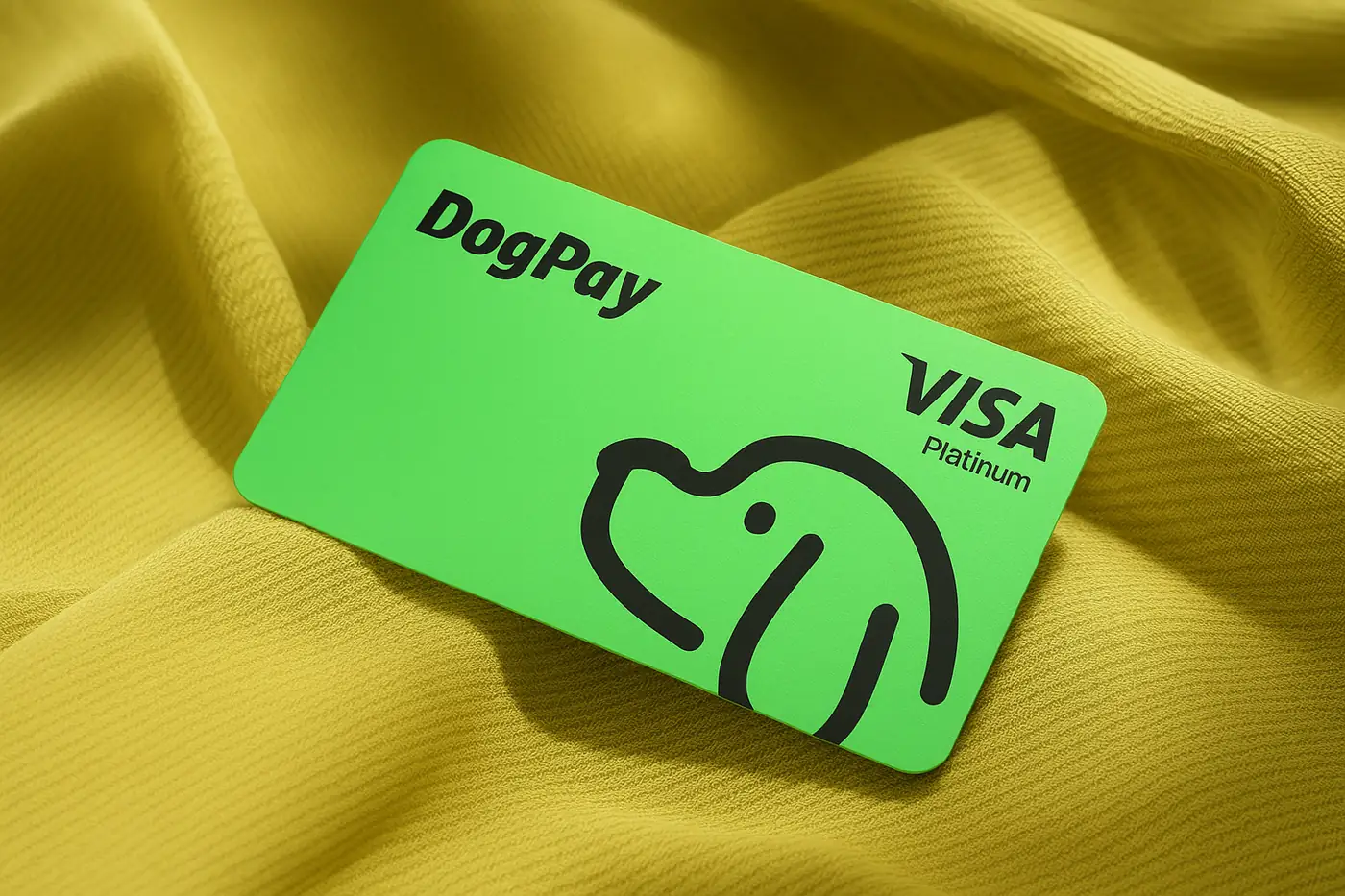
An international merchant card decline is frustrating because the work is done and the invoice is due. The decline may come from issuer fraud rules, currency mismatch, or missing card controls. Businesses can use DogPay as a payment operations layer to route around these friction points without disrupting vendor relationships.
The first step is to review the decline reason. If the problem is a shared corporate card being flagged, a dedicated DogPay virtual card can give that vendor or subscription its own card number with limits and visibility. This makes it easier to see which payment failed and to retry with a cleaner setup.
Second, use DogPay global accounts to hold and convert funds for cross-border payouts. When a card is declined, an alternative settlement path such as stablecoin settlement or a bank transfer through the account can help keep the vendor paid. The goal is not guaranteed approval but more options in the workflow.
Third, keep spend visibility tight. DogPay can help teams track card usage, set limits, and document which payment method succeeded. That record supports reconciliation and reduces repeat declines.
Finally, treat declines as operational data. Update vendor payment details, confirm accepted currencies, and adjust card controls. DogPay fits this workflow by combining virtual cards, global accounts, stablecoin settlement, and wallet payment infrastructure so businesses can recover payments with more control and less guesswork.