DogPayCard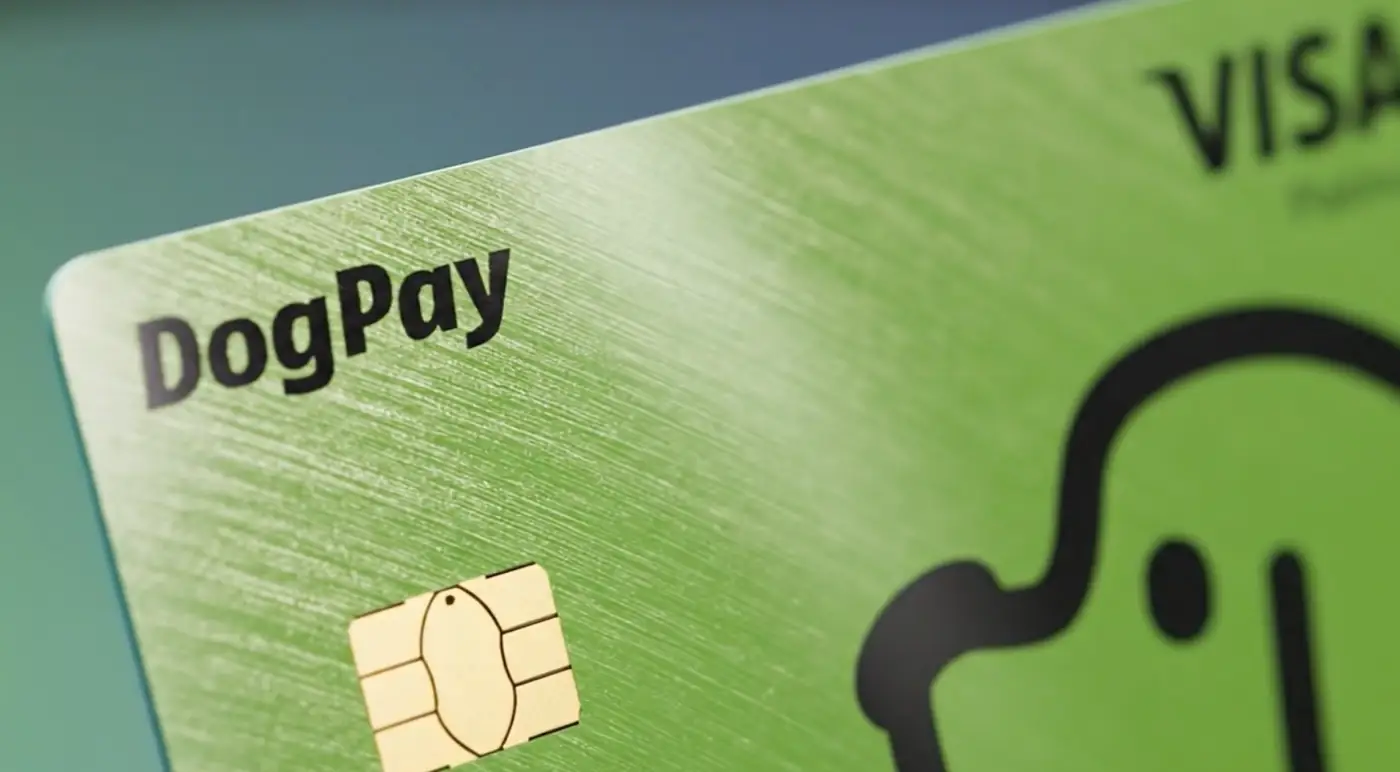
Many businesses hold USDT and need a practical way to use it for daily expenses. Virtual cards offer a bridge between stablecoins and traditional card payments. With DogPay, you can fund dedicated cards with USDT and use them wherever cards are accepted, subject to network and merchant rules.
The workflow is straightforward. First, you transfer USDT to your DogPay global account. Once settled, you can allocate funds to virtual cards for different teams or purposes. Each card has its own limits and spending controls, which helps with budgeting and oversight. For example, a marketing team can use a dedicated card for ad platforms, while another card handles software subscriptions.
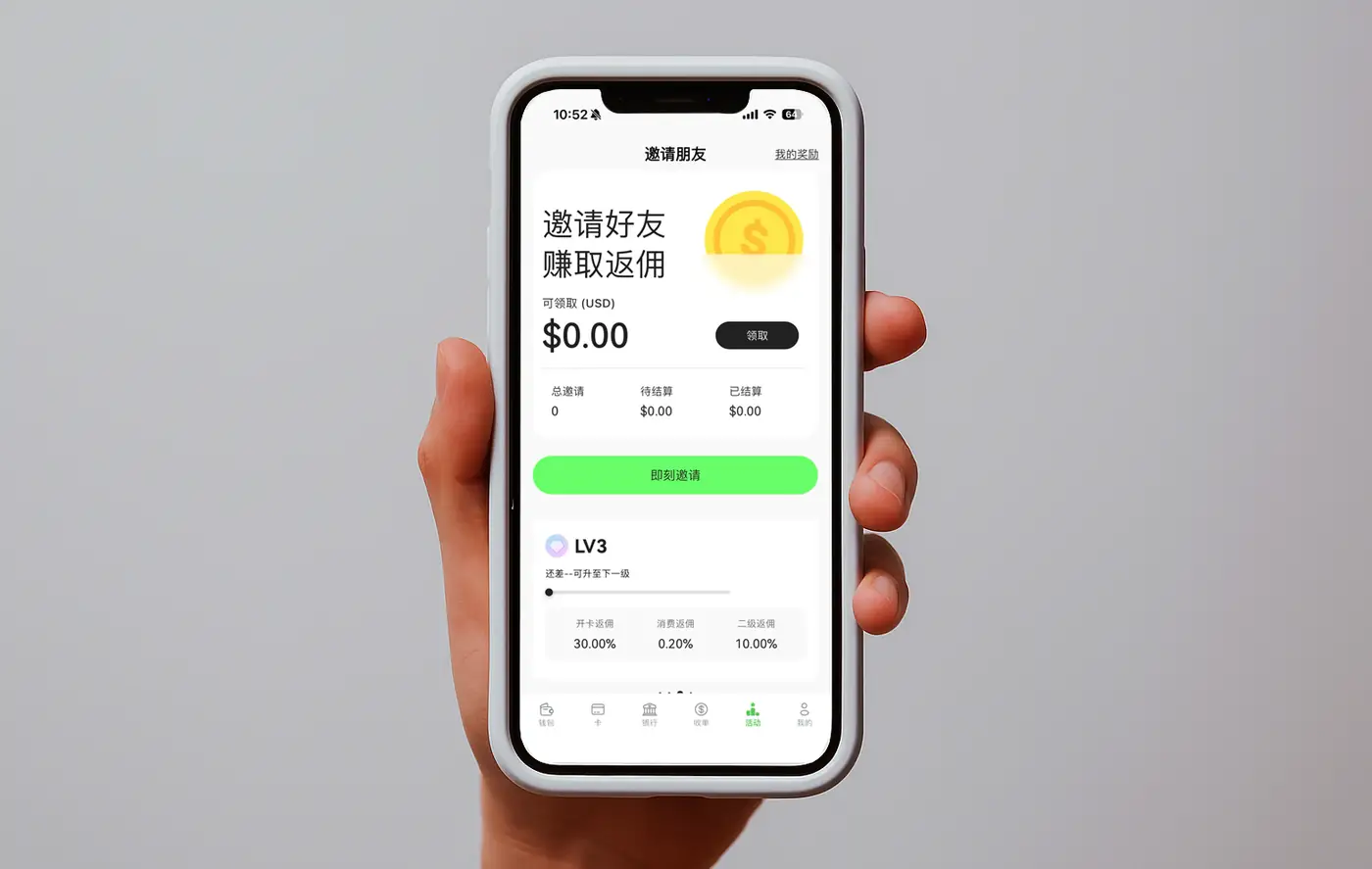
DogPay focuses on the backend: wallet/payment infrastructure, stablecoin settlement, and global accounts. This means you can manage multiple cards from one dashboard, giving you visibility into spending across the organization. When a card expires or needs to be replaced, you can issue a new one without disrupting your workflow.
It's important to note that card acceptance depends on the merchant and network. Not every transaction is guaranteed to succeed, and some merchants may not accept prepaid or virtual cards. Also, DogPay does not auto-refill cards; you control when to top up balances. This gives you flexibility but requires active management.
For businesses that want to use USDT for real-world payments, DogPay provides a way to convert stablecoins into card spend without traditional banking bottlenecks. Whether you're paying vendors, running ads, or managing team expenses, virtual cards can help streamline operations. Keep in mind that compliance and KYC are part of the process, so be ready to verify your business.
DogPay can help with dedicated cards, global accounts, stablecoin settlement, and spend visibility. It's not a guarantee of acceptance, but it's a tool to modernize your payment stack.