
International merchant card declined? How businesses can use DogPay virtual cards
 DogPayCard Editorial
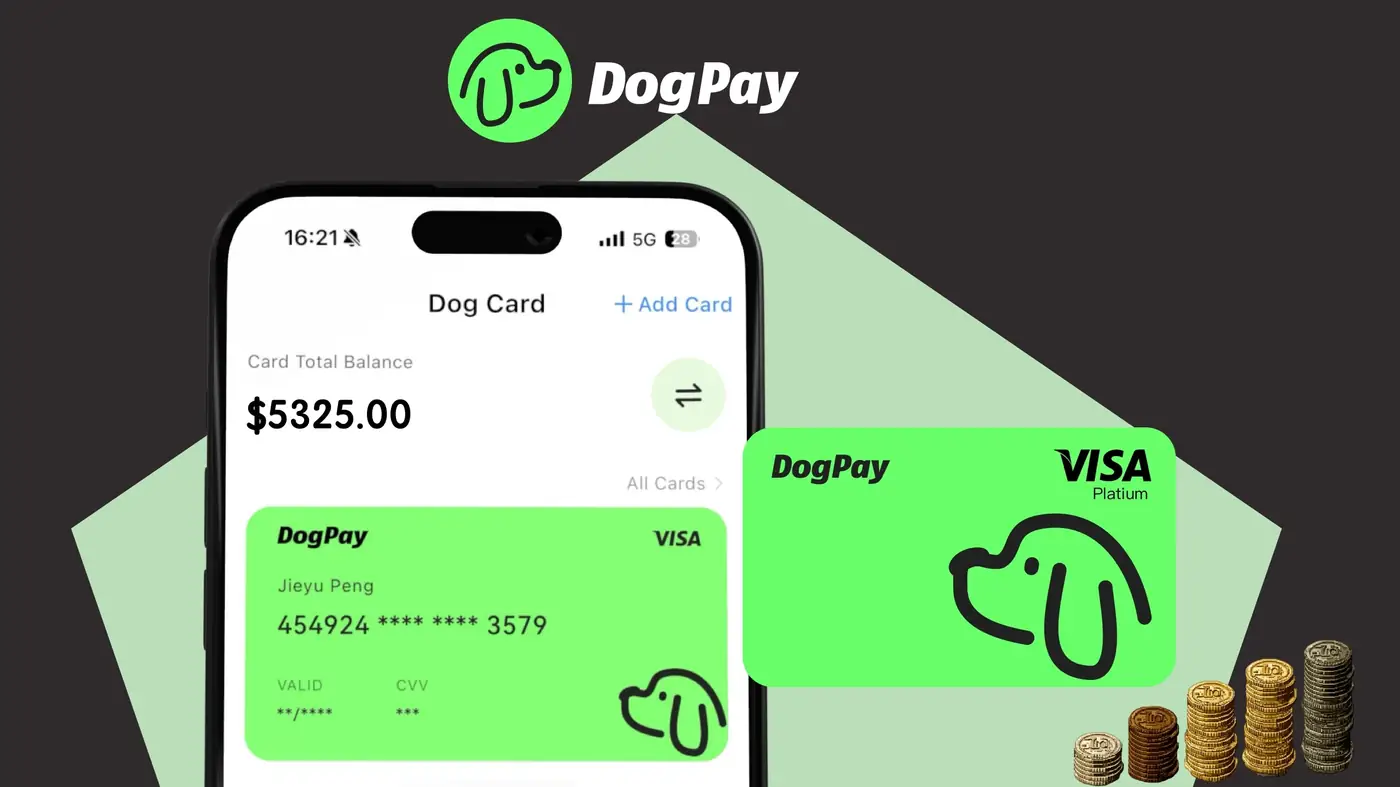
An international merchant card decline often happens when a local card is used for a cross-border subscription, ad platform, or supplier. The merchant may reject the card for region, currency, or risk reasons. Businesses can respond by changing the payment instrument and the funding path, not just retrying the same card.
How businesses can use DogPay in this situation:
1. Issue dedicated virtual cards per merchant or team. If one card is declined, other cards and payment flows are less affected.
2. Use global accounts and wallet/payment infrastructure to support cross-border payment operations where available.
3. Where supported, use stablecoin settlement to fund payment activity and reduce dependency on a single local card rail.
4. Assign cards to specific vendors, ad accounts, or SaaS tools so spend visibility stays clear when a decline occurs.
5. Keep payment operations organized: know which card is tied to which merchant, review decline reasons, and rotate to another card or funding method.
DogPay fits this workflow by offering virtual cards, global accounts, stablecoin settlement, wallet/payment infrastructure, and spend visibility. It can help businesses manage payment operations when a card is declined, but it does not guarantee approval, acceptance, or that every payment will succeed. Treat DogPay as part of a resilient payment setup, and confirm availability and requirements for your business.