
How Businesses Can Use DogPay Webhooks for Virtual Card Reconciliation
 DogPayCard Editorial
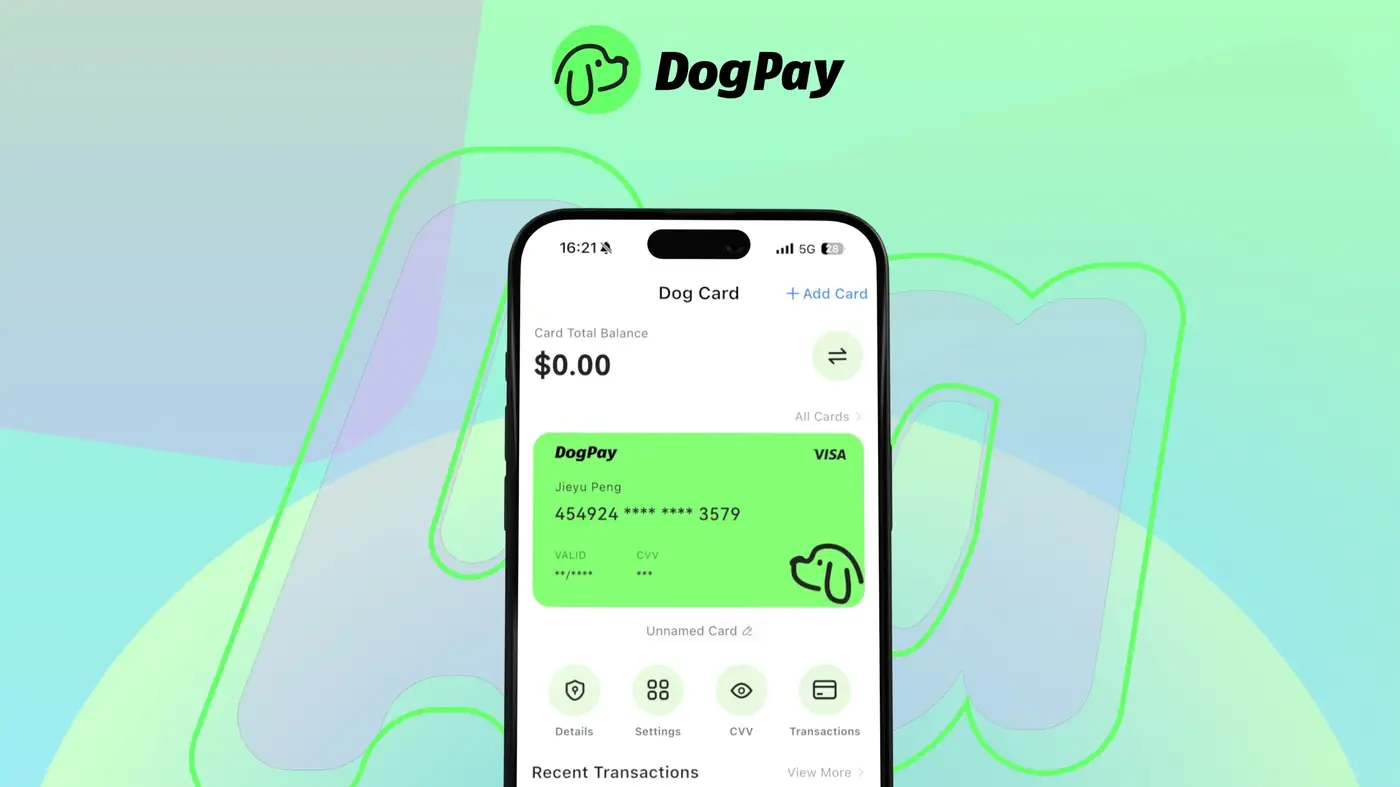
Businesses managing multiple virtual cards often face reconciliation challenges. DogPay webhooks solve this by sending real-time event notifications for each card transaction—such as authorization, settlement, or refund—directly to your backend. To set up, define endpoint URLs in the DogPay dashboard and subscribe to relevant events like “card.transaction.created” or “card.settlement.completed.” When a transaction occurs, DogPay sends a JSON payload containing details (amount, merchant, timestamp, card ID). Your system can match these events against internal records (e.g., purchase orders or invoices) to automate reconciliation. For example, a marketing team using virtual cards for ad spend can have webhooks trigger an update in their expense management system, reducing manual work and errors. Webhooks also support retry logic—if delivery fails, DogPay retries up to 24 hours. This approach fits businesses needing scalable, event-driven reconciliation without polling APIs. DogPay provides dedicated cards, global accounts, and stablecoin settlement, alongside wallet and payment infrastructure that supports spend visibility and payment operations. Webhook integration enhances these capabilities by offering real-time data flow for accurate financial tracking.