
SaaS Payment Card Declined? How Can Businesses Use DogPay to Keep Vendor Payments Moving
 DogPayCard Editorial
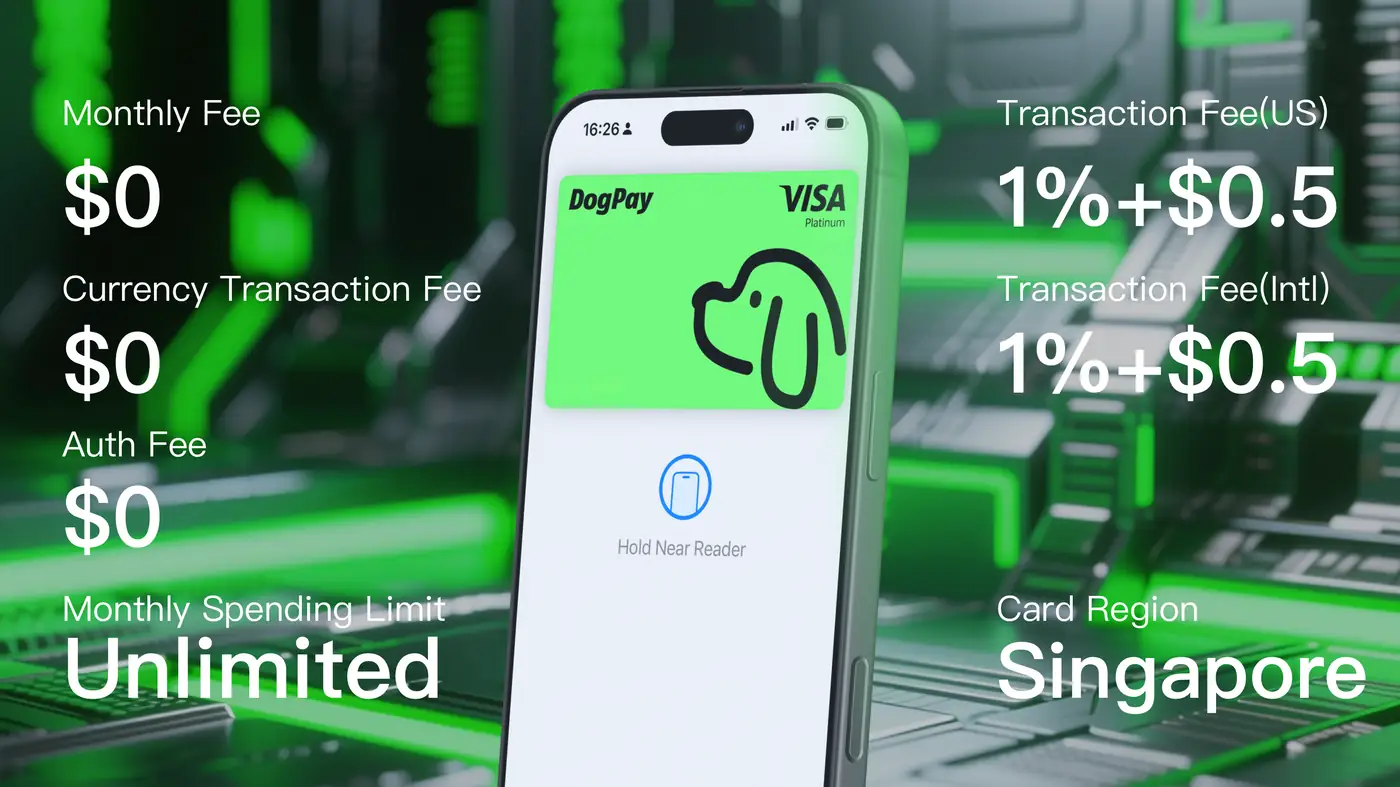
A declined SaaS payment card is usually a routing problem, not a spending problem. The subscription renews, the issuer declines for its own reasons, and the vendor may restrict access. Businesses can use DogPay as an alternative payment path for software and vendor bills.
Start by reviewing the decline. Was it insufficient funds, an expired card, a risk flag, or a merchant category issue? Then decide whether to retry with a dedicated DogPay virtual card, a different funding source, or a manual payment while the account is updated.
Dedicated virtual cards per vendor make ownership clearer. A card for cloud infrastructure, a card for ad platforms, and a card for project tools each carry their own limits and records, so one decline does not affect unrelated subscriptions.
DogPay global accounts and stablecoin settlement can help teams move value across borders where local card rails are slow or restrictive. Wallet and payment infrastructure can support payouts, top-ups, and reconciliation in one workflow.
Spend visibility matters during recovery. Teams can track which cards are active, which vendors are paid, and where failed attempts occurred. This makes follow-up with vendors faster and reduces duplicate charges.
DogPay can help businesses with dedicated cards, global accounts, stablecoin settlement, wallet and payment infrastructure, spend visibility, and payment operations. Approval and acceptance depend on the provider, region, and vendor. DogPay does not replace vendor terms or compliance reviews, but it can give finance teams a more flexible path when a SaaS card is declined.