DogPayCard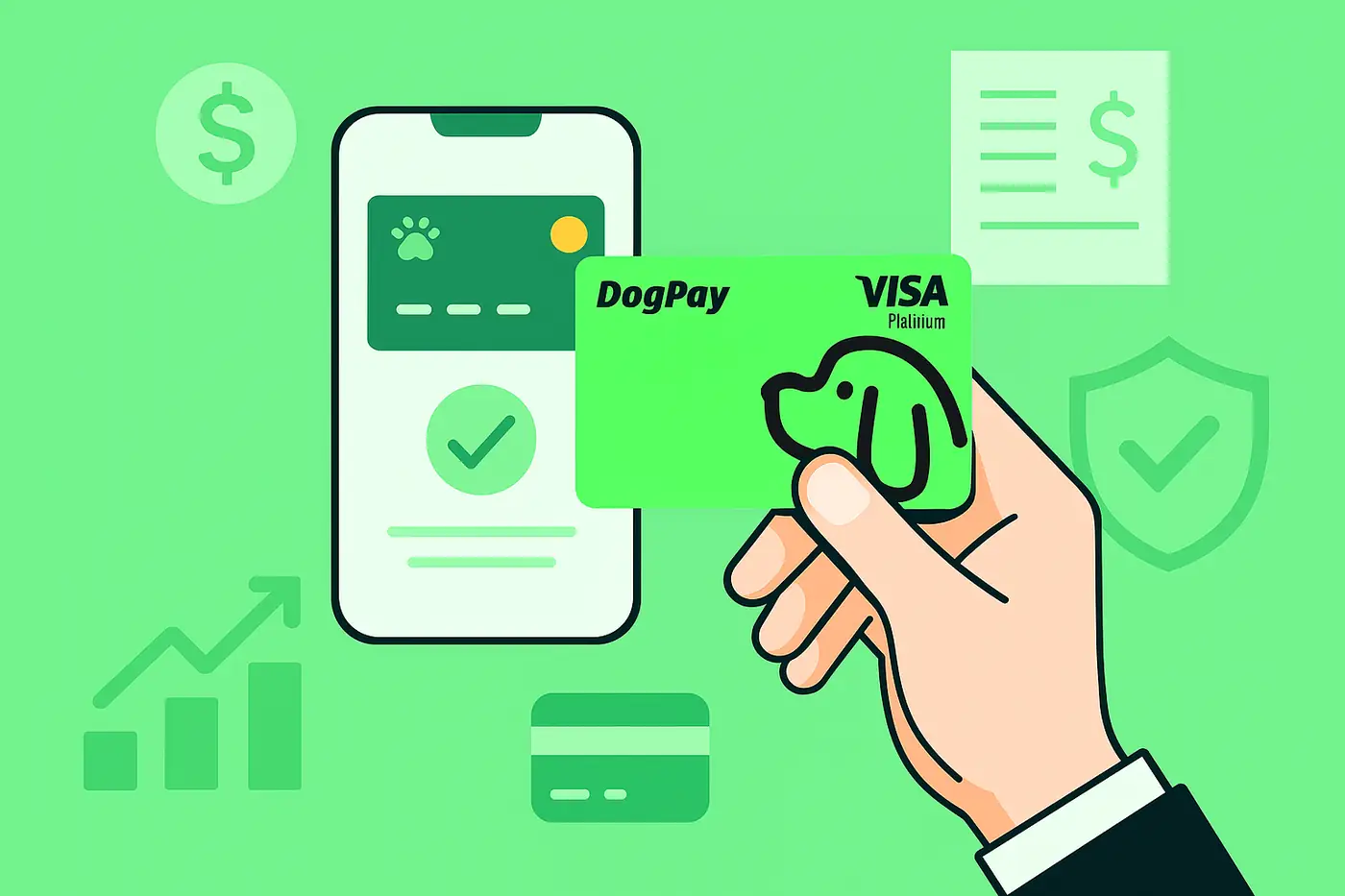
Cross-border payments often come with delays, high fees, and currency conversion headaches. DogPay offers a practical alternative by combining virtual cards with stablecoin settlement and global accounts. Here’s how businesses can use DogPay to streamline international spending.
1. Create Dedicated Virtual Cards: DogPay allows you to issue virtual cards for specific teams, projects, or vendors. Each card can be set with its own spending limits and controls, giving you granular oversight. You can use these cards for online subscriptions, ad spend, SaaS tools, and other recurring or one-off payments.
2. Fund with Stablecoins: Instead of waiting for traditional bank transfers, you can top up your DogPay wallet using stablecoins like USDC or USDT. This can reduce the friction of cross-border funding and offer a stable value peg. Once funded, you can convert to fiat at the point of card use, depending on merchant acceptance and network support.
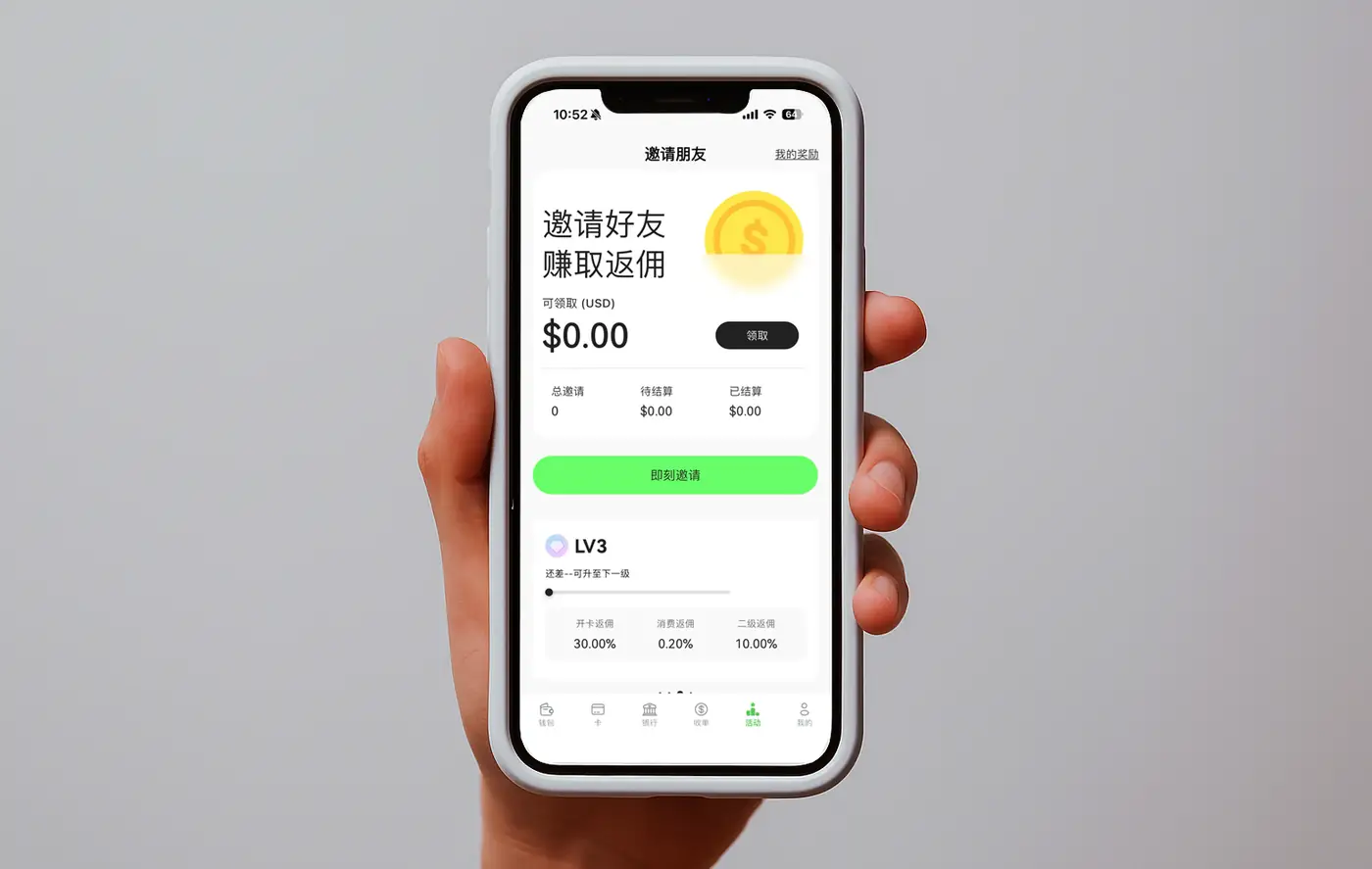
3. Use Global Accounts: DogPay provides global account details for receiving payments in different currencies. This is useful if you have clients or partners who pay in local currencies. You can hold funds in multiple currencies and manage them through a single dashboard, which simplifies reconciliation.
4. Enhance Compliance and Control: With real-time transaction data and customizable card limits, you can enforce spending policies and maintain audit trails. This visibility helps finance teams track expenses and allocate budgets more accurately, which is critical for global operations.
5. Simplify Vendor Payments: For cross-border vendor payments, you can generate a virtual card for each vendor and set a one-time or recurring limit. This avoids the need for wire transfers and reduces the time spent on manual approvals.
How DogPay Fits In
DogPay acts as a bridge between Web3 assets and traditional card networks. By providing dedicated virtual cards, global accounts, and stablecoin settlement infrastructure, DogPay can help your business make cross-border payments with more flexibility and transparency. While it does not eliminate all payment risks, it offers a modern approach to managing international spend—letting you focus on growth instead of payment logistics.