
International Merchant Card Decline: How Can Businesses Use DogPay?
 DogPayCard Editorial
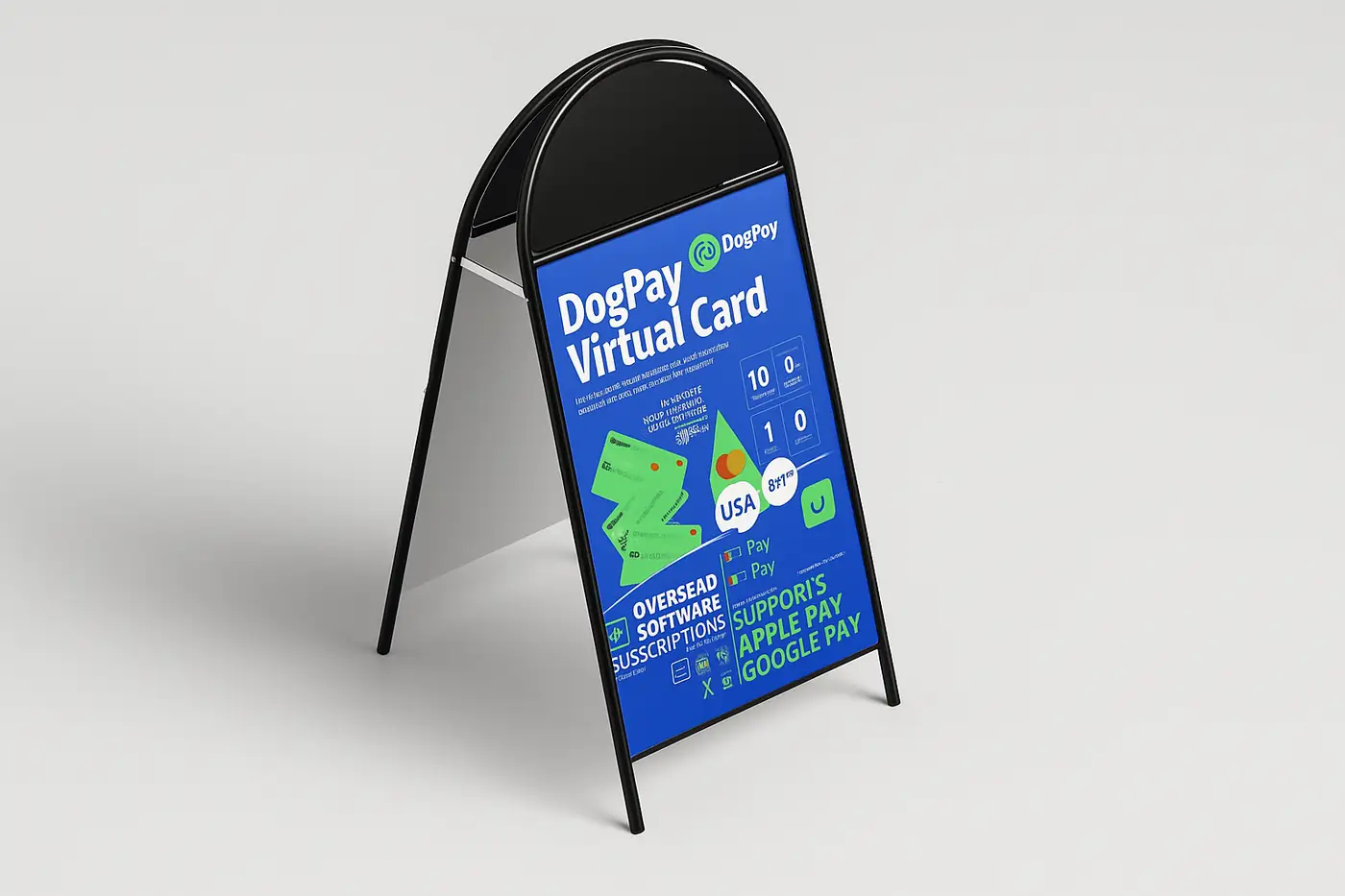
A declined international merchant card is usually a payment routing problem, not a dead end. The merchant may reject the card because of region mismatch, risk rules, currency, or issuer limits. Businesses still need a way to pay suppliers, ads, software, and logistics.
How can DogPay help? DogPay provides virtual cards, global accounts, wallet infrastructure, and stablecoin settlement options that can fit into a business payment workflow. Instead of relying on a single corporate card, teams can route payments through dedicated cards or account balances where supported.
Start by diagnosing the decline. Check whether the merchant accepts the card network, whether the billing country matches, and whether the spend limit or currency caused the issue. Then review your payment stack. DogPay can support spend visibility and payment operations, so finance teams can see which card or account is used for each vendor.
For recurring international payments, virtual cards may help separate vendors and limits. Businesses can use DogPay to manage payment operations and maintain a fallback method when one card is declined. Stablecoin settlement can also fit workflows where cross-border timing matters, subject to availability and compliance checks.
DogPay does not guarantee merchant acceptance or approval. It can help businesses create dedicated cards, hold global account balances, and organize spend. When an international merchant card is declined, DogPay can be part of a more resilient payment setup.
DogPay fits the payment workflow by giving businesses virtual cards, global accounts, stablecoin settlement, wallet/payment infrastructure, and spend visibility. Finance teams can keep vendor payments organized while reducing dependence on a single card.