DogPayCard
Managing supplier payments across borders can be complex due to currency conversion, slow bank transfers, and high fees. DogPay offers a practical solution by combining virtual cards, global accounts, and stablecoin settlement.
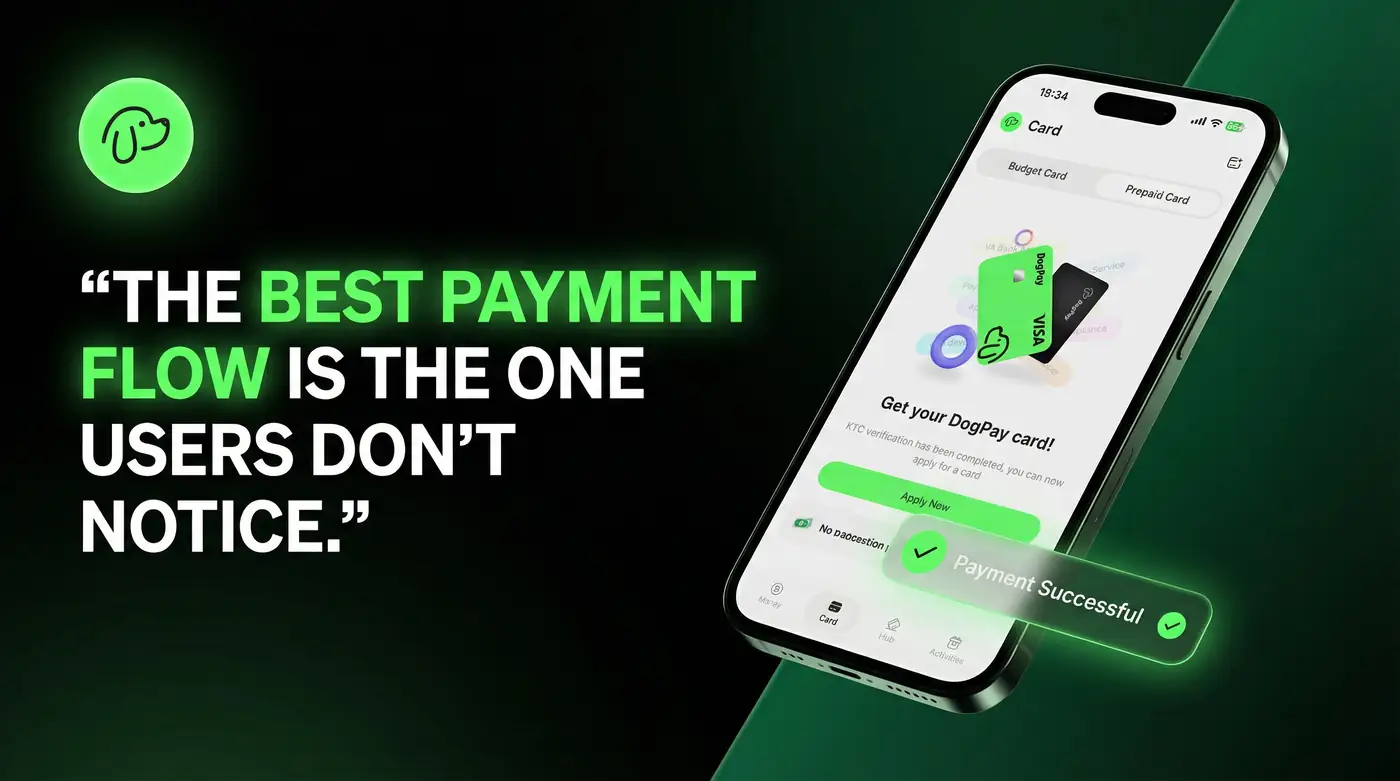
To start, businesses can fund a DogPay account using fiat or USDC. Once funded, they can issue virtual cards linked to specific supplier contracts or invoices. These cards can be used for one-time or recurring payments, with spend limits set per card to control budgets.
For international suppliers, DogPay’s global accounts can hold multiple currencies, reducing conversion costs. Alternatively, if the supplier accepts USDC, DogPay enables direct stablecoin settlement, which is faster than traditional wire transfers and can lower transaction fees.
DogPay provides real-time transaction visibility through its dashboard, helping finance teams track payment status and reconcile expenses. This setup supports a more efficient payment workflow compared to manual bank transfers or credit card payments.
DogPay can fit into your supplier payment workflow by providing dedicated virtual cards, multi-currency accounts, and stablecoin settlement options. Its wallet and payment infrastructure support spend visibility and operational control, making it a flexible tool for businesses that need to pay domestic or international suppliers efficiently.