DogPayCard
In the evolving landscape of digital finance, maintaining control over business spending is crucial. DogPay offers a suite of tools that can support spend control without overcomplicating your operations. Here’s a practical look at leveraging these capabilities.
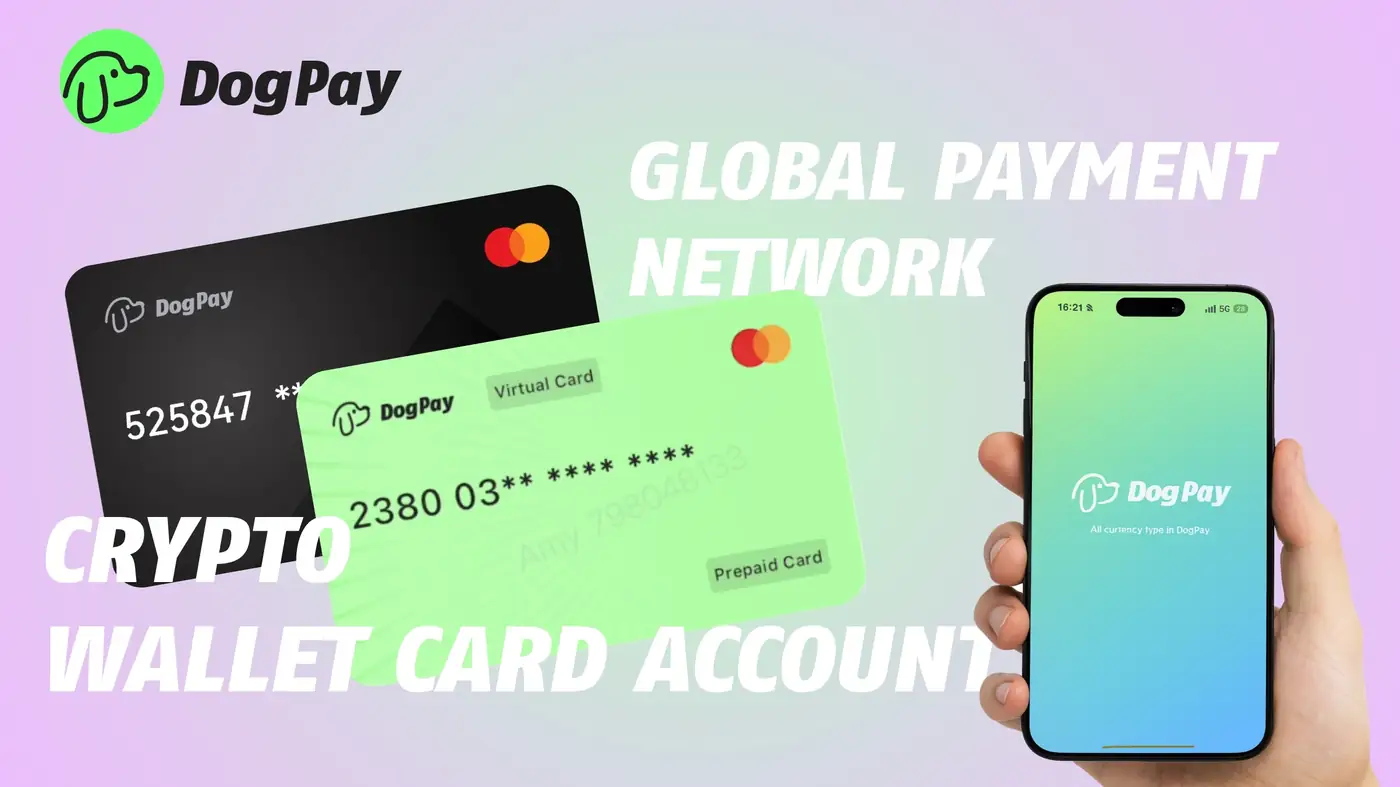
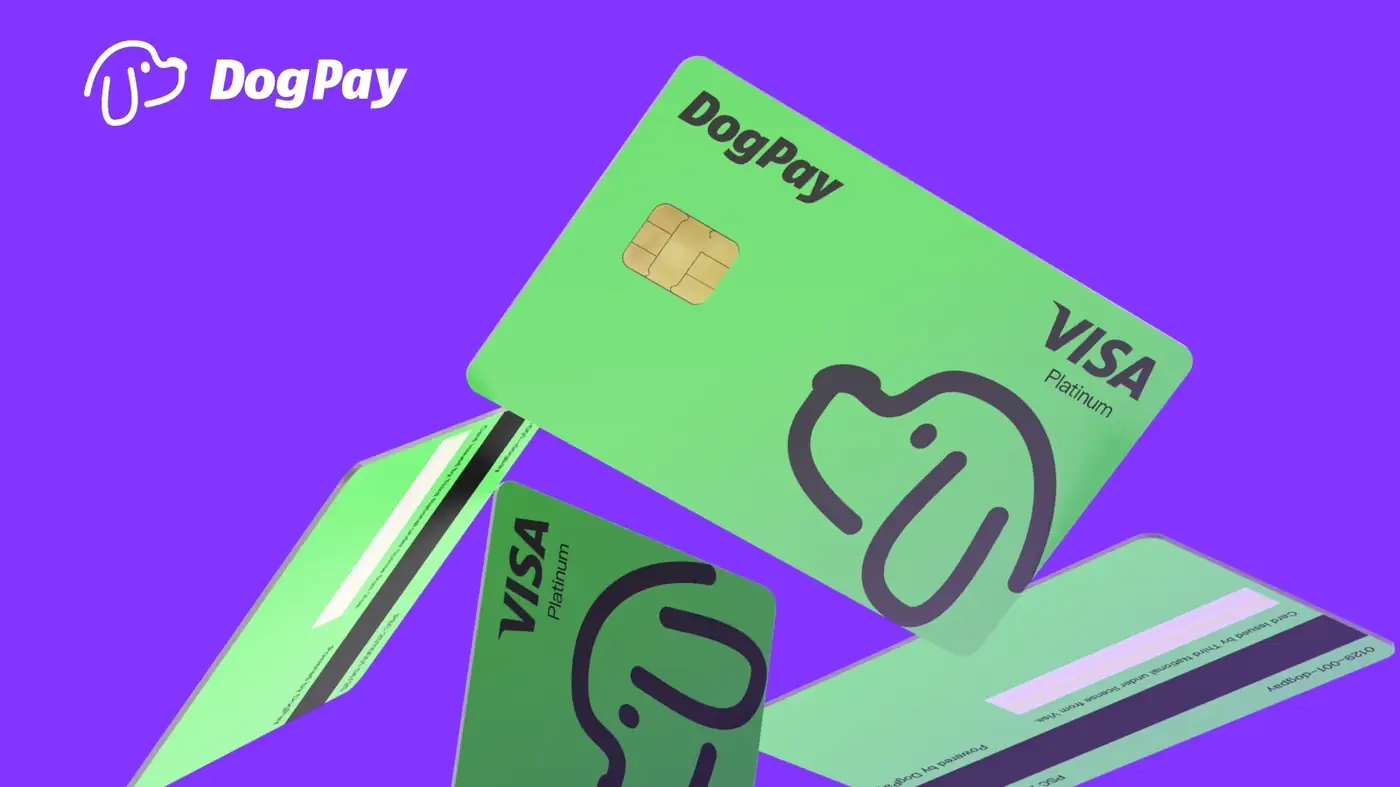
First, DogPay provides dedicated virtual cards that can be issued for specific teams, projects, or vendors. This allows finance managers to set clear spending boundaries and track each card's activity individually, giving a granular view of where funds go.
Second, global accounts facilitate smoother cross-border transactions. When combined with stablecoin settlement, businesses can reduce friction associated with traditional banking. DogPay’s wallet infrastructure supports this workflow, enabling real-time visibility of balances and transactions.
Spend visibility is a key benefit. With DogPay, you can monitor expenses as they happen, helping to identify trends and adjust budgets proactively. This does not guarantee error-free spending, but it does provide the data needed for informed decisions.
Finally, DogPay integrates into broader payment operations, allowing you to manage virtual cards, accounts, and stablecoin flows from one interface. This centralization simplifies reconciliation and supports your digital financial infrastructure goals.
When integrating DogPay, consider starting with a pilot program for one department to understand its impact. Over time, you can scale usage based on observed benefits.
In summary, DogPay can help businesses improve spend control by offering dedicated cards, global account stability, and clear spending insights within digital finance frameworks.
DogPay fits into your payment workflow as a flexible layer. It provides the virtual cards, stablecoin settlement, and wallet infrastructure needed to execute controlled, transparent payments. Whether you’re managing team expenses or vendor payouts, DogPay’s tools can assist in aligning spending with your strategic objectives.