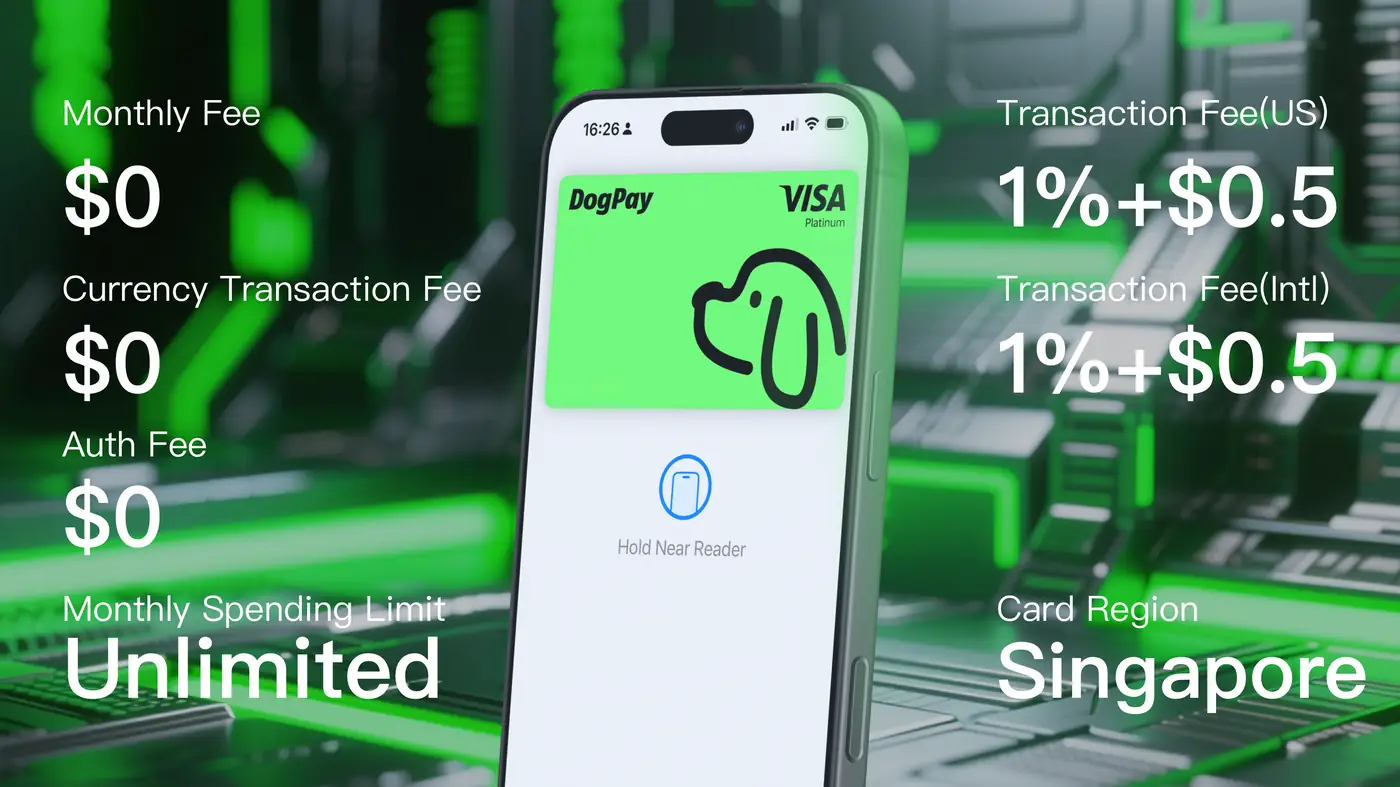
 DogPayCard

A stablecoin payment moves value as a supported digital asset through a virtual-asset service, while a fiat account transfer moves money between bank accounts through banking rails such as ACH, SWIFT or Fedwire. The practical difference is not just speed or cost: the two routes run on different infrastructure, different providers and different eligibility rules, so finance teams should compare them on mechanics, documentation and jurisdiction rather than on headline claims.
Start with the settlement route, not the label A fiat account transfer is executed by a financial institution. The account is provided and independently approved by that institution, and its opening documents determine the account type, the account holder and the terms. Where the relevant account and service arrangement support them, USD transfers may use ACH, SWIFT or Fedwire. Actual currencies, payment rails and functions depend on the institution, the account, the product and the jurisdiction. A stablecoin payment is a virtual-asset flow. USD and supported stablecoin conversion or settlement and crypto payment gateway services are provided by DogPay affiliates to eligible customers, subject to provider terms, applicable law and geographical availability. DogPay is a digital finance and payment infrastructure platform; it is not the financial institution that provides a business account, and the affiliate-provided virtual-asset services are distinct from the banking relationship. That distinction matters because it tells you who to ask when something is unclear. For a fiat account question, the relevant financial institution is the authority. For a stablecoin question, the affiliate service provider and its terms govern.
Compare the two routes on five decision criteria Use these criteria as a working comparison rather than a scorecard, because the answers depend on your own account, provider and jurisdiction. First, the counterparty. On the fiat route, you are dealing with a financial institution that approves the account. On the stablecoin route, you are dealing with an affiliate service provider under its own terms. Second, the rails. Fiat transfers run on banking rails, and which rails are available depends on the account and arrangement. Stablecoin settlement runs on supported digital-asset infrastructure, and which assets are supported depends on the provider and eligibility. Third, eligibility. Account opening is independently approved by the institution. Virtual-asset services are available to eligible customers subject to provider terms, applicable law and geographical availability. Neither route is universally available. Fourth, records. Approved account features may include transaction records, reconciliation and reporting, but the actual functions depend on the institution, account, product and jurisdiction. You should confirm what record formats and reporting you will receive on the stablecoin side with the affiliate provider. Fifth, currency management. Multi-currency account options may be available, including Hong Kong or Singapore multi-currency business account options, but the currencies and functions actually available depend on the institution and jurisdiction.
Where each route tends to fit, and where it does not A fiat account transfer is often the more natural fit when your counterparties expect to send and receive money through bank accounts, when your treasury and reconciliation processes are built around banking records, and when you want the account relationship governed by a financial institution's opening documents. It is a poor fit if you assume every rail, currency or feature is available everywhere; those details must be confirmed per account. A stablecoin payment route may fit when you have confirmed that you and your counterparties are eligible, that the specific stablecoin is supported, and that the provider terms work for your compliance and record-keeping needs. It is unsuitable if you cannot confirm eligibility, if the jurisdiction is not covered, or if you need guarantees on acceptance, fees, exchange rates, speed or coverage. No account approval, payment acceptance, fee, exchange rate, speed, coverage or business outcome is guaranteed on either route.
Preparation steps before you choose Gather your counterparty list and note how each one expects to send and receive value. Identify which currencies and rails you actually need, not which ones you have heard about. Confirm with the relevant financial institution which account type, holder and terms apply to your fiat account, and which rails and currencies are supported. Confirm with the affiliate service provider which stablecoins are supported, which jurisdictions are eligible, and what the provider terms require. Document both flows separately in your records so that a reviewer can tell which route a given payment used. Completion check: you should be able to state, for each payment flow, the provider, the rail or asset, the governing terms and the record source, without relying on assumptions.
Common misconceptions to correct early One misconception is that a stablecoin payment and a fiat transfer are interchangeable because both settle in US dollars. They are not: one is a virtual-asset flow under affiliate provider terms, the other is a banking flow under an institution's account documents. Another is that DogPay itself provides the bank account. It does not; the relevant financial institution provides and independently approves each account. A third is that availability is universal. It is not, on either route.
FAQ Is a stablecoin payment the same as a bank transfer? No. A stablecoin payment is a virtual-asset flow provided by DogPay affiliates to eligible customers, while a fiat account transfer is executed through a financial institution's banking rails. Does DogPay provide the business account? No. DogPay is a digital finance and payment infrastructure platform, not the financial institution. The relevant institution provides and independently approves each account. Which is faster or cheaper? That cannot be stated as a general rule. Fees, exchange rates and speed are not guaranteed and depend on the provider, account, product and jurisdiction; confirm them with the relevant institution or service provider. Can I use both routes together? Businesses may apply online for a US-dollar business account and Hong Kong or Singapore multi-currency business account options, and separately access affiliate-provided stablecoin services if eligible. Whether both are available to you depends on approval, provider terms, applicable law and geographical availability.
Source and verification note This guide is based solely on the official DogPay product page at https://dogpay.com/hk/global-bank. No other sources were used or browsed. Readers should verify account terms, supported rails, supported stablecoins, eligibility and jurisdictional availability directly with the relevant financial institution or affiliate service provider before making decisions.
Scope and limitations This article describes the structural difference between the two routes and does not assess suitability for any specific business. It makes no claim about approval, acceptance, cost, speed, coverage or outcomes, and it does not describe any third-party integration. Details of account features, currencies, rails and virtual-asset services vary by institution, account, product and jurisdiction and must be confirmed case by case.