DogPayCard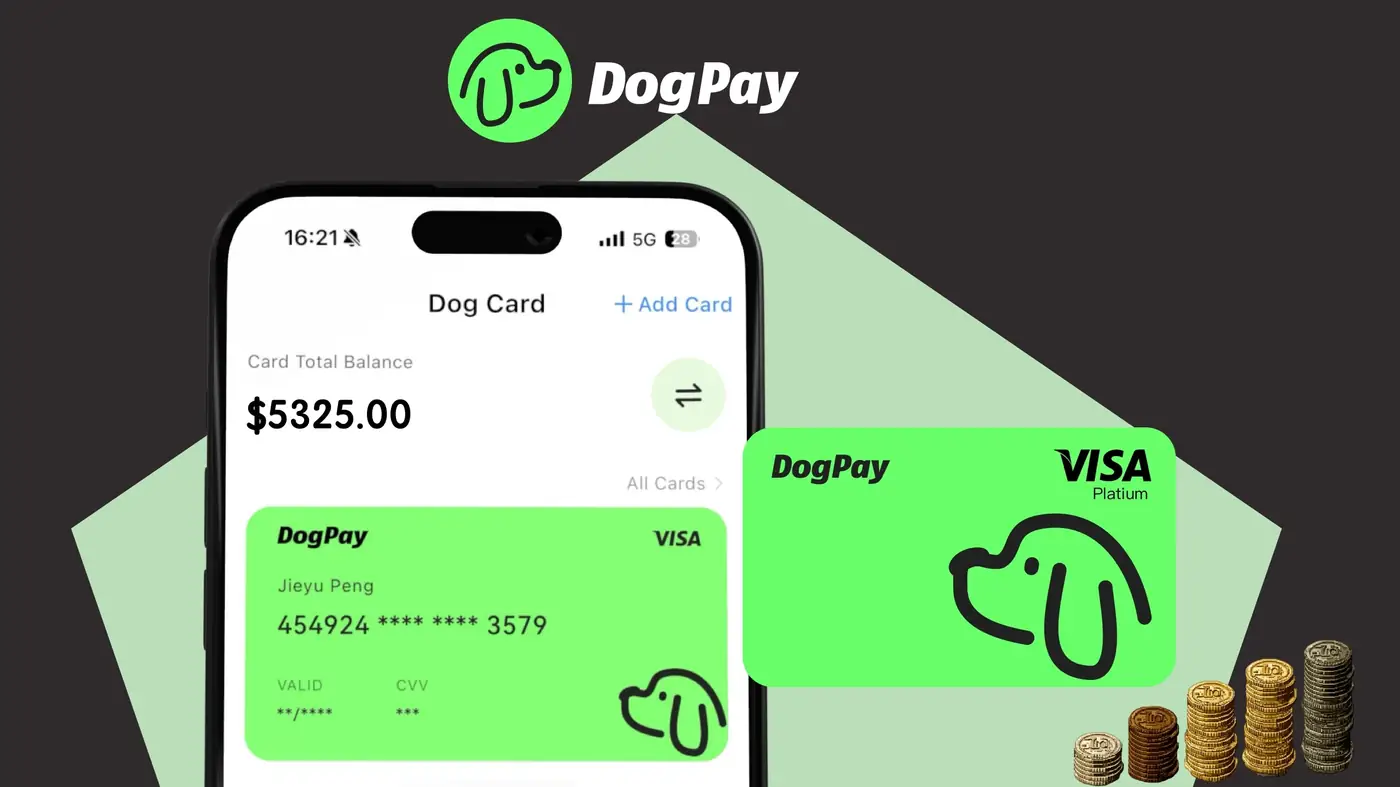
Global SaaS companies often face friction when paying for cloud services, tools, or freelance talent across borders. DogPay offers a payment stack that blends Web3 capabilities with practical business finance. Instead of relying solely on traditional bank rails, you can fund accounts with stablecoins, convert to fiat when needed, and issue dedicated virtual cards for each vendor or team.
With DogPay, your finance team can manage global accounts in multiple currencies, reducing the need for scattered local banking relationships. The platform provides clear visibility into expenses by syncing card transactions—no manual reconciliation needed. For recurring subscriptions (like AWS or Adobe), you can assign a specific card to each subscription, making it easy to track and control spending.
DogPay also supports wallet and payment infrastructure needs, enabling you to pay contractors or partners via stablecoins quickly and transparently. Since the platform handles compliance aspects like KYC and transaction monitoring, you can focus on growing your SaaS rather than managing payment complexity.
In practice, you might use DogPay to fund a global account with USDC, convert to USD or EUR for local payments, and issue virtual cards to your DevOps team for cloud costs. Or you could pay an overseas contractor directly in USDC to their wallet. DogPay aims to simplify these workflows.
For global SaaS teams, DogPay can help streamline payment operations with dedicated cards, stablecoin settlement, and real-time spend visibility. However, approvals and acceptance depend on each network; DogPay provides the tools but does not guarantee success on every transaction. Always verify with your card provider for specific merchant acceptance.