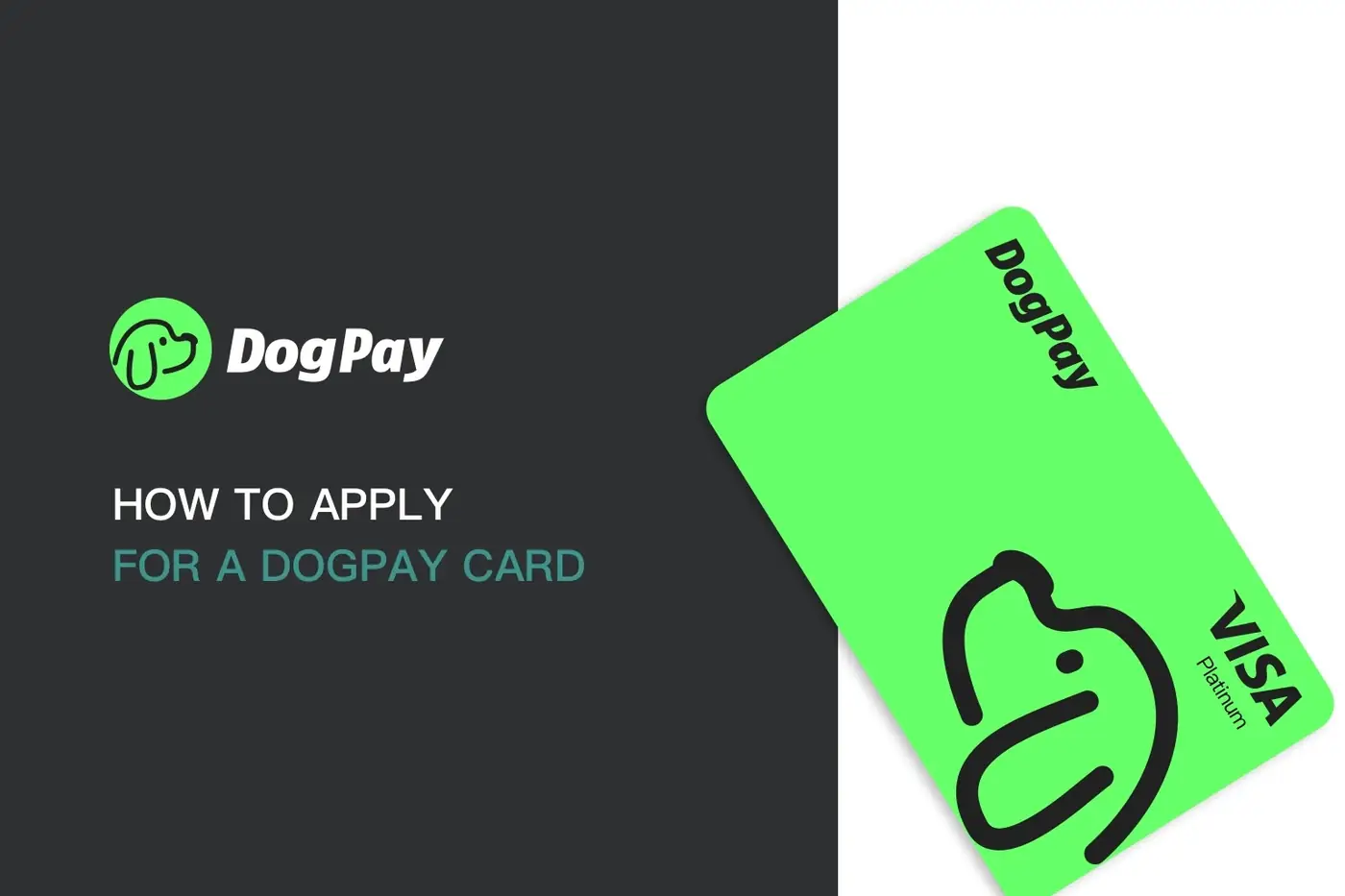
DogPayCard
Global SaaS businesses often need to pay contractors, vendors, or affiliates in multiple currencies. Traditional banking can be slow and expensive, with high conversion fees. DogPay provides a modern alternative using stablecoins and virtual cards.
With DogPay, SaaS companies can create dedicated virtual cards for each payee or expense category. These cards are issued with a global account that supports multiple currencies. When settling invoices, businesses can load the required currency via stablecoins (like USDC) directly into the card wallet. This avoids traditional SWIFT delays and minimizes conversion costs.
DogPay's platform offers spend visibility and control: each card can have custom limits, and transactions are recorded in real time. This helps finance teams track exactly where funds are going. The stablecoin settlement layer also means that funds can be moved quickly across borders without relying on correspondent banking.
It's important to note that DogPay works with supported stablecoin networks and does not guarantee acceptance at all merchants. However, for SaaS businesses paying to crypto-friendly recipients or those using virtual card compatible processors, it can be a practical tool for multi-currency settlement.
DogPay fits into the payment workflow as an intermediary that issues virtual cards funded by stablecoins. This allows global SaaS firms to hold and settle in multiple currencies through a single platform, reducing the friction of managing separate bank accounts in each country. By combining global accounts, stablecoin settlement, and virtual cards, DogPay helps businesses automate cross-border payouts with greater speed and transparency.