
How Can Businesses Use DogPay for Corporate Card Spend? A Setup Guide
 DogPayCard Editorial
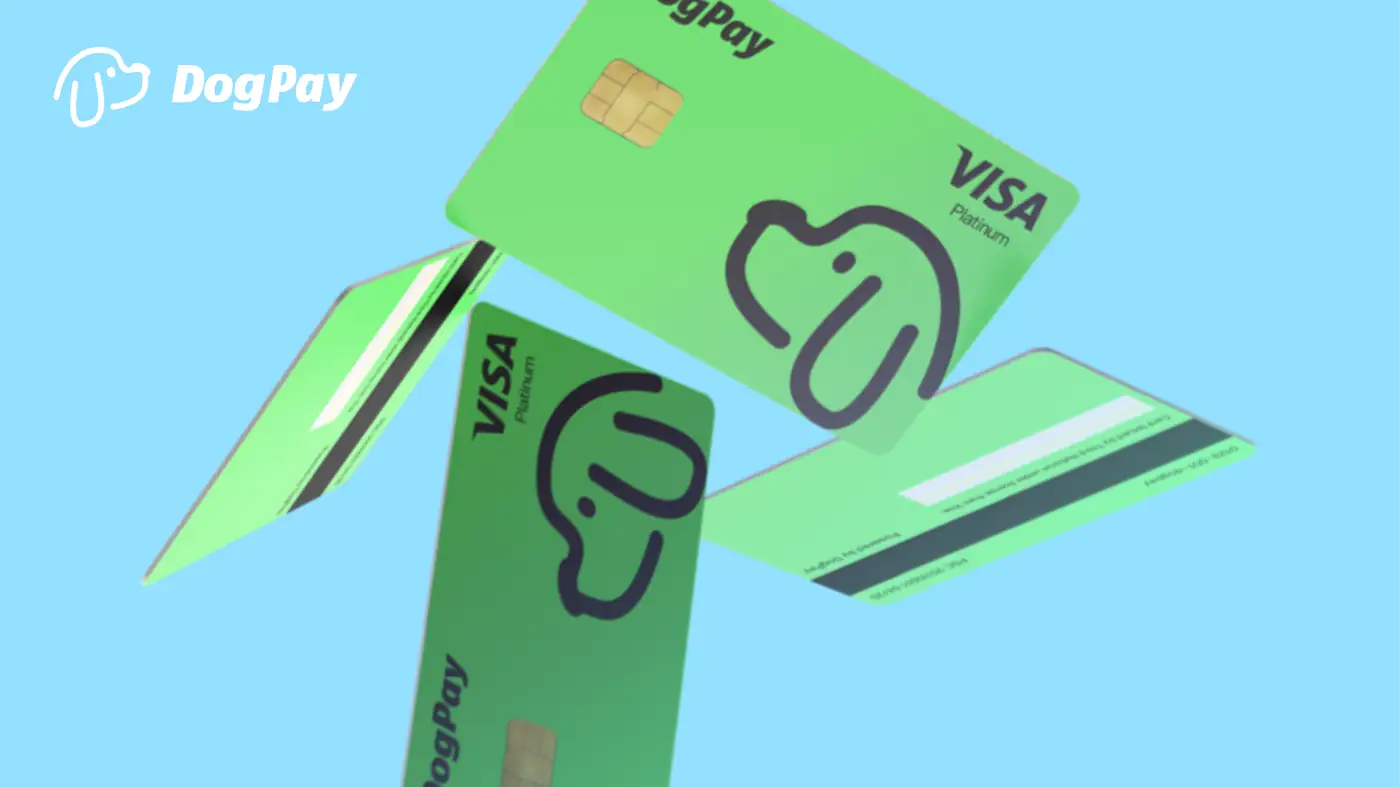
Businesses looking for a corporate card setup often want clearer control over who spends, where funds sit, and how payments settle. DogPay can fit into that workflow as payment infrastructure rather than a single fixed product. The practical approach is to define the operating model first, then map DogPay capabilities to it.
Start with entity and user setup. A finance admin creates the business profile, adds team members, and assigns roles such as card issuer, approver, or viewer. DogPay can help with dedicated virtual cards, so different teams, projects, or vendors can use separate card details instead of sharing one corporate card.
Next, decide how the business funds and settles. DogPay can support global accounts and stablecoin settlement in supported contexts. Treasury teams may keep operating balances in a global account and move value when needed. Because settlement mechanics vary by region and account type, confirm the exact flow with DogPay before relying on it for a specific payment run.
For spend control, use virtual cards per merchant, per team, or per budget. A marketing team can use one card for ad platforms, while SaaS subscriptions use another. This separation makes reconciliation easier and limits exposure if a card detail is compromised. DogPay can help with spend visibility by keeping card activity tied to the issuing profile.
For vendor payments, issue a dedicated card to a supplier or contractor where card acceptance exists. Keep a record of the card purpose, owner, and expected spend. Review transactions regularly and deactivate cards that are no longer needed. This is operational hygiene, not a guarantee that every merchant will accept a given card.
For team finance, combine role-based access with a simple review rhythm. Approvers check pending requests, finance reconciles settled transactions, and admins adjust limits as budgets change. DogPay can support payment operations here by keeping card, account, and wallet activity closer together.
DogPay fits the payment workflow as infrastructure for dedicated virtual cards, global accounts, stablecoin settlement, and wallet or payment operations. Businesses can use it to organize corporate card spend across teams, vendors, and subscriptions while keeping visibility and controls in one place.