DogPayCard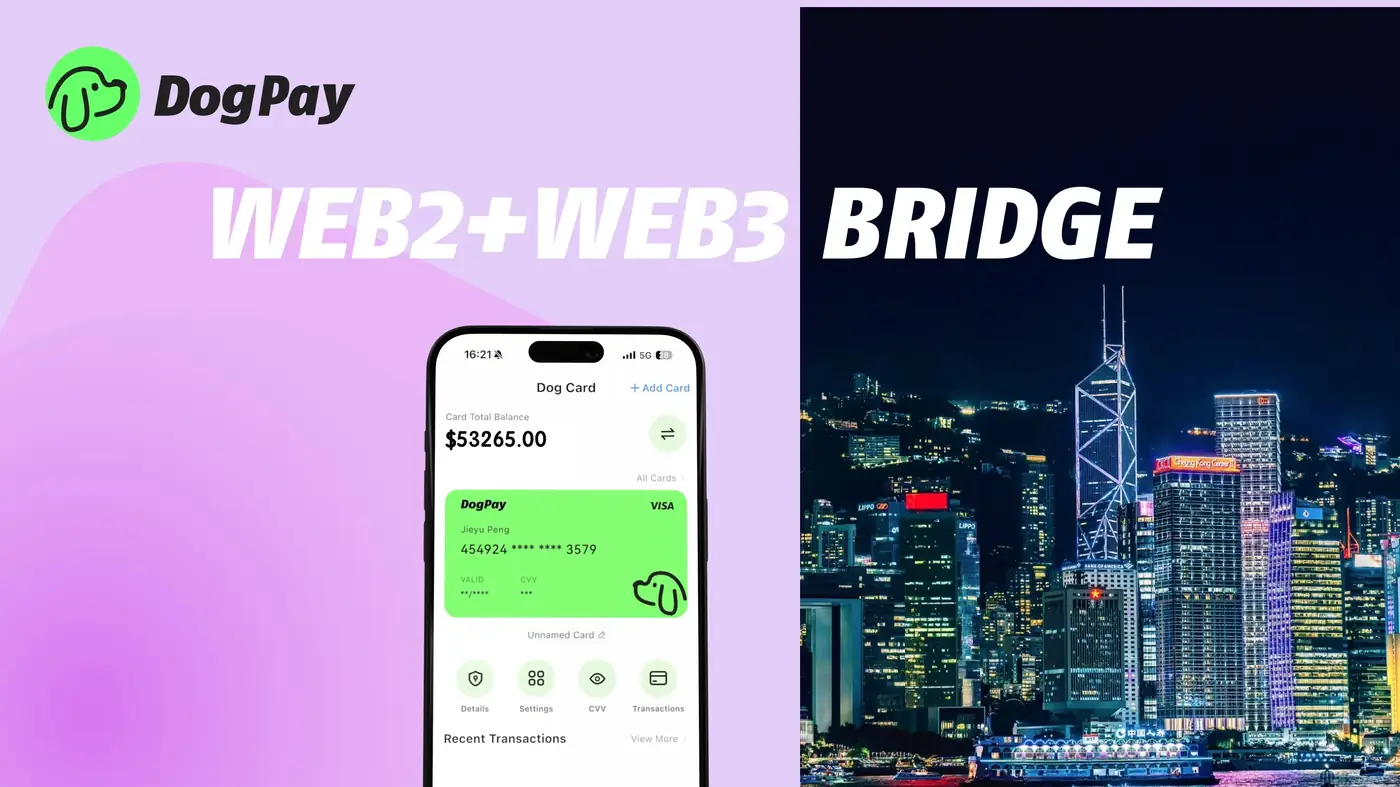
Paying OpenAI API bills with DogPay virtual cards offers businesses a streamlined way to manage AI spending. DogPay provides dedicated virtual cards that can be used to pay for OpenAI API usage. These cards support stablecoin settlement (USDC/USDT), enabling fast transactions without traditional banking delays. Businesses can fund accounts via SEPA, SWIFT, or crypto, and then create multiple virtual cards tied to specific API keys or projects. This setup improves spend visibility and control, as each card can have custom limits and usage restrictions. DogPay also offers spend management features, such as real-time transaction monitoring and category tracking. Because DogPay cards are issued as VISA or Mastercard, they are generally accepted where those networks are, including OpenAI. However, acceptance depends on the merchant's payment processor. For recurring API bills, businesses can set single-use or multi-use cards with fixed budgets. DogPay does not guarantee failed payment prevention but provides tools to monitor balances and set alerts.
DogPay fits into the payment workflow by acting as the issuing and settlement layer. Businesses create a DogPay account, fund it, generate virtual cards, and use those card details to pay OpenAI. Stablecoin settlement reduces reliance on traditional banking rails, and global accounts support multi-currency funding. This approach is suitable for companies needing to allocate AI budgets across teams or projects while maintaining audit trails.