
How Can Businesses Use DogPay for Virtual Cards? A Practical Payment Operations Guide
 DogPayCard Editorial
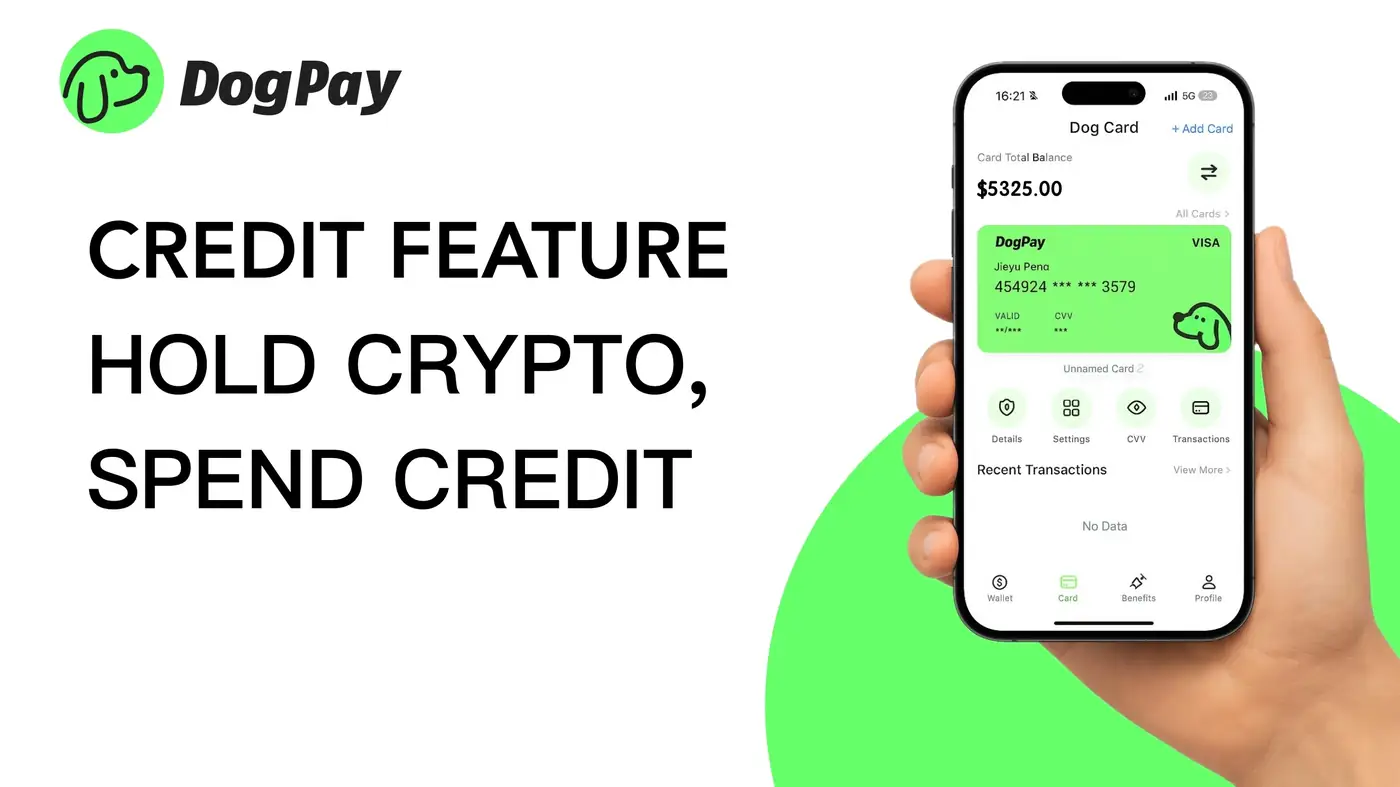
Businesses often need a simple way to pay for software, services, and team expenses without sharing one card everywhere. DogPay virtual cards can help by giving each use case its own card and spend context, so finance and operations teams can review activity more clearly.
A practical starting point is to map payment needs. List recurring SaaS tools, ad platforms, contractor payouts, and internal team spend. Then decide which items should have a dedicated virtual card. This can make it easier to track costs by vendor, team, or project, and to pause a card when a subscription is no longer needed.
DogPay can support virtual card workflows alongside global accounts, wallet and payment infrastructure, and stablecoin settlement where applicable. Businesses can use these tools to separate budgets, reduce card sharing, and keep payment operations more organized. Spend visibility can improve when each card has a defined purpose.
For global payments, virtual cards can be useful when vendors bill in different currencies or regions. DogPay global accounts and payment infrastructure can help businesses manage cross-border payment flows. Availability and features can vary by region and account setup, so teams should confirm what is supported for their use case.
Virtual cards are not a replacement for financial controls. Businesses should still set internal policies, approval steps, and review routines. DogPay can help with dedicated cards, spend visibility, and payment operations, but it does not guarantee approval, acceptance, or specific merchant support.
DogPay fits into the payment workflow as a layer for issuing virtual cards, managing global accounts, and supporting stablecoin settlement and wallet-based payment infrastructure. Teams can assign cards to specific vendors or budgets, review transactions, and adjust as needs change. This makes DogPay a practical option for businesses that want more structure around card spend and payment operations.