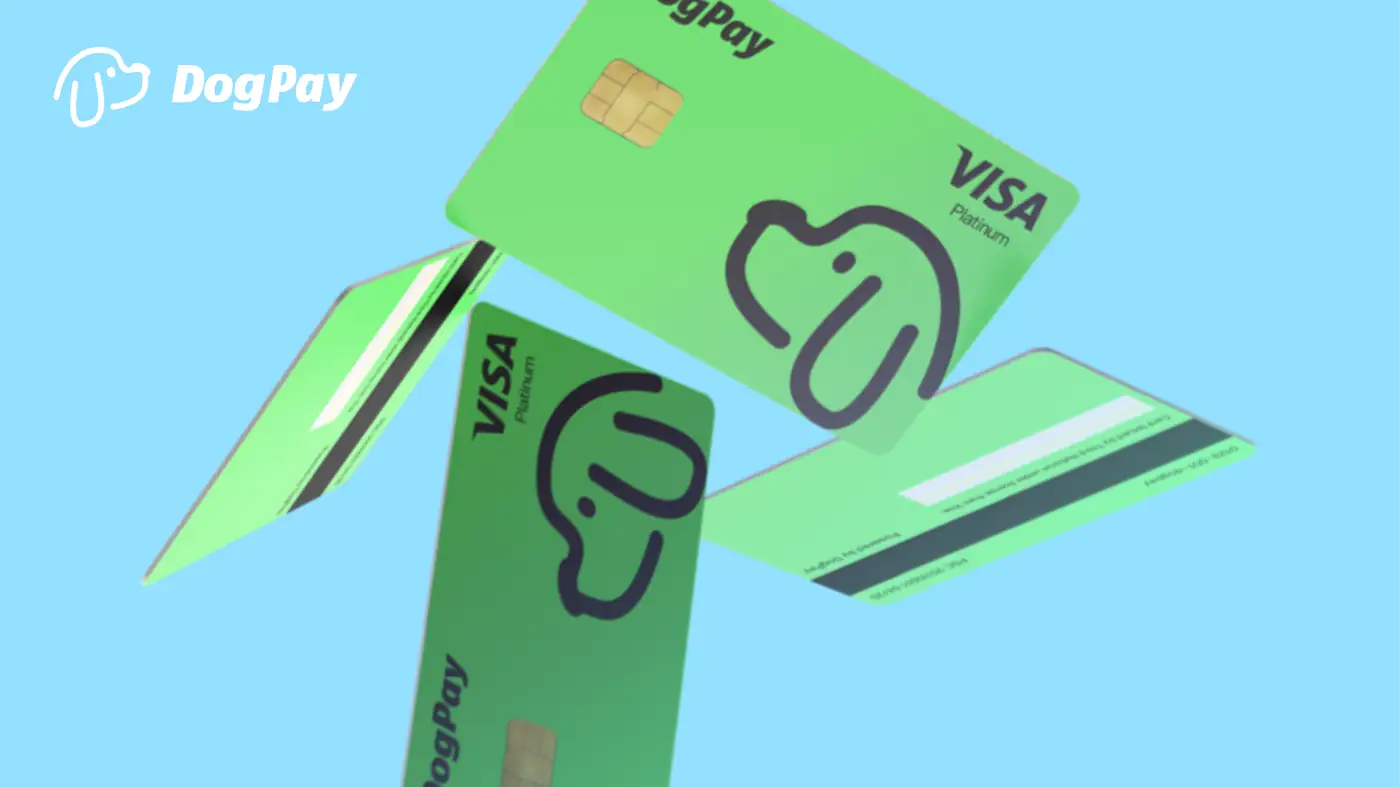
DogPayCard
Recurring payment failures can disrupt operations and cause service interruptions for businesses relying on subscriptions, SaaS tools, or cloud services. DogPay offers virtual cards that businesses can use to mitigate these issues. By assigning a dedicated virtual card to each recurring vendor, businesses can better track and manage individual payment streams. This separation helps isolate any card-level problems, such as insufficient funds or card expiration, making it easier to troubleshoot and resolve failures quickly.
DogPay's global accounts allow businesses to hold and settle funds in stablecoins, reducing the risk of currency conversion delays or bank-related declines. Businesses can fund their DogPay wallet in stablecoins, then use virtual cards to pay recurring bills. The wallet infrastructure provides visibility into available balances, helping businesses maintain sufficient funds for upcoming payments.
Additionally, DogPay's spend controls enable businesses to set limits per card, preventing unexpected overcharges that could lead to declines. While no system can guarantee failure-free payments, using dedicated cards and monitoring tools can reduce the frequency of failed transactions. Businesses should regularly review their card status and funding levels to ensure smooth recurring payments.
DogPay fits into this workflow by providing a payment infrastructure that includes virtual cards, global accounts, stablecoin settlement, and spend visibility. Businesses can create cards for each recurring vendor, fund them with stablecoins, and use the platform's dashboard to monitor payment activity. This approach helps maintain payment continuity without relying on traditional banking delays or multi-currency friction. For companies looking to streamline their recurring billing operations, DogPay offers a practical, Web3-native solution.