
How to Issue DogPay Corporate Virtual Cards for Startup Spending
 DogPayCard Editorial
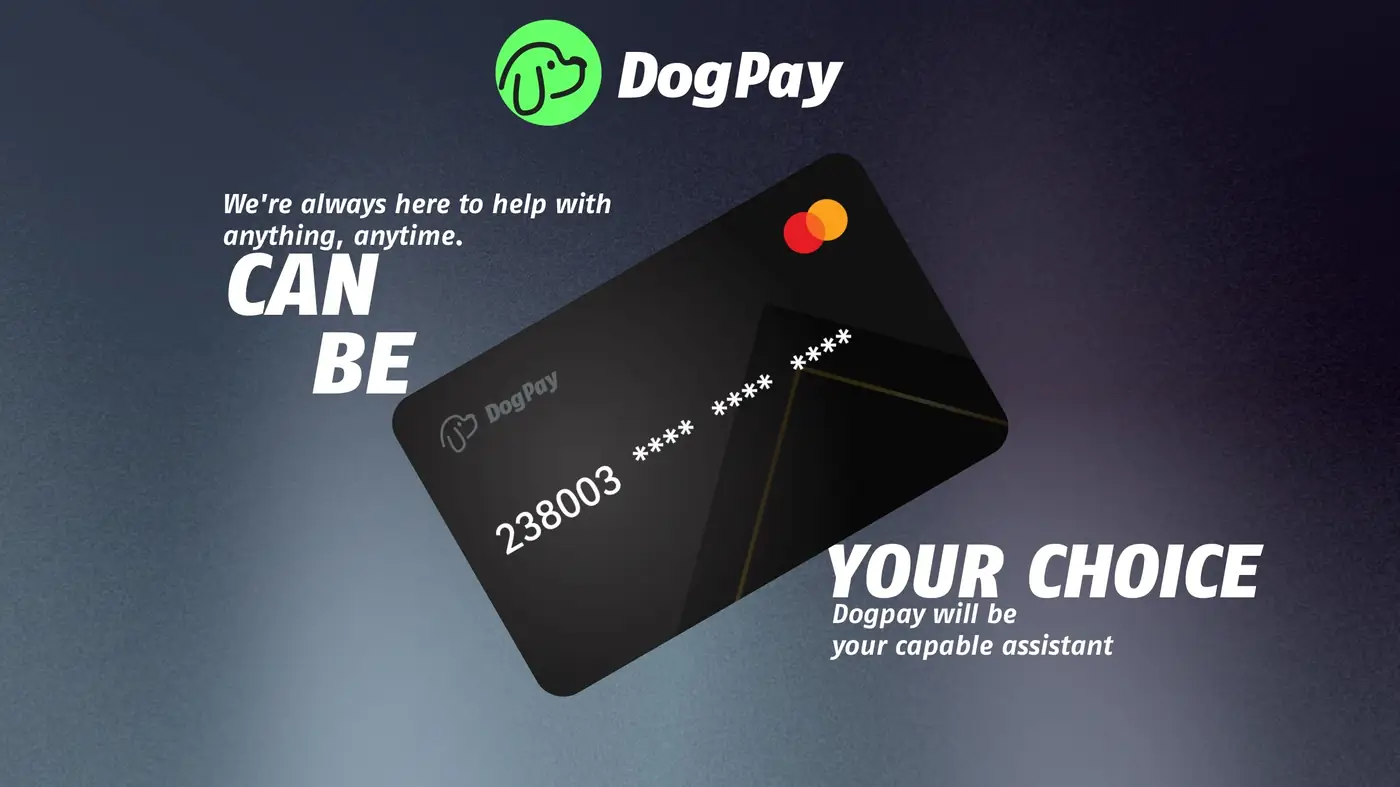
Startups often need to manage team spending without opening dozens of bank accounts. DogPay corporate virtual cards can help you issue dedicated cards for marketing, travel, or software purchases. Each card can be assigned to a specific project or employee, which improves spend visibility and simplifies reconciliation.
How do you issue a DogPay virtual card? The process typically involves creating an account, verifying your business details, and adding funds. After that, you can generate a card instantly through the dashboard or API. You set the spending limit, choose the currency, and share the card details with the team member who needs it.
What can you use these cards for? Common use cases include ad spend, cloud services, travel, and other SaaS subscriptions. Because DogPay supports stablecoin settlement, you can fund your cards using USDT or USDC, which may provide a faster and more flexible option than traditional wires.
DogPay also offers global accounts, which can help you pay international vendors in their local currency. This can potentially reduce conversion friction, though actual acceptance depends on the merchant.
For startups, the key benefit is control. You decide how much each card can spend and where. If a card is compromised, you can freeze it immediately. And because all transactions are tracked in one dashboard, you can monitor cash flow in real time.
DogPay fits into your payment workflow as a central tool for card issuance, spend controls, and stablecoin settlement. It does not replace your accounting software, but it can provide the payment rails and visibility you need to manage business spend effectively.