
Card Declined Online? How Businesses Can Use DogPay to Keep Paying
 DogPayCard Editorial
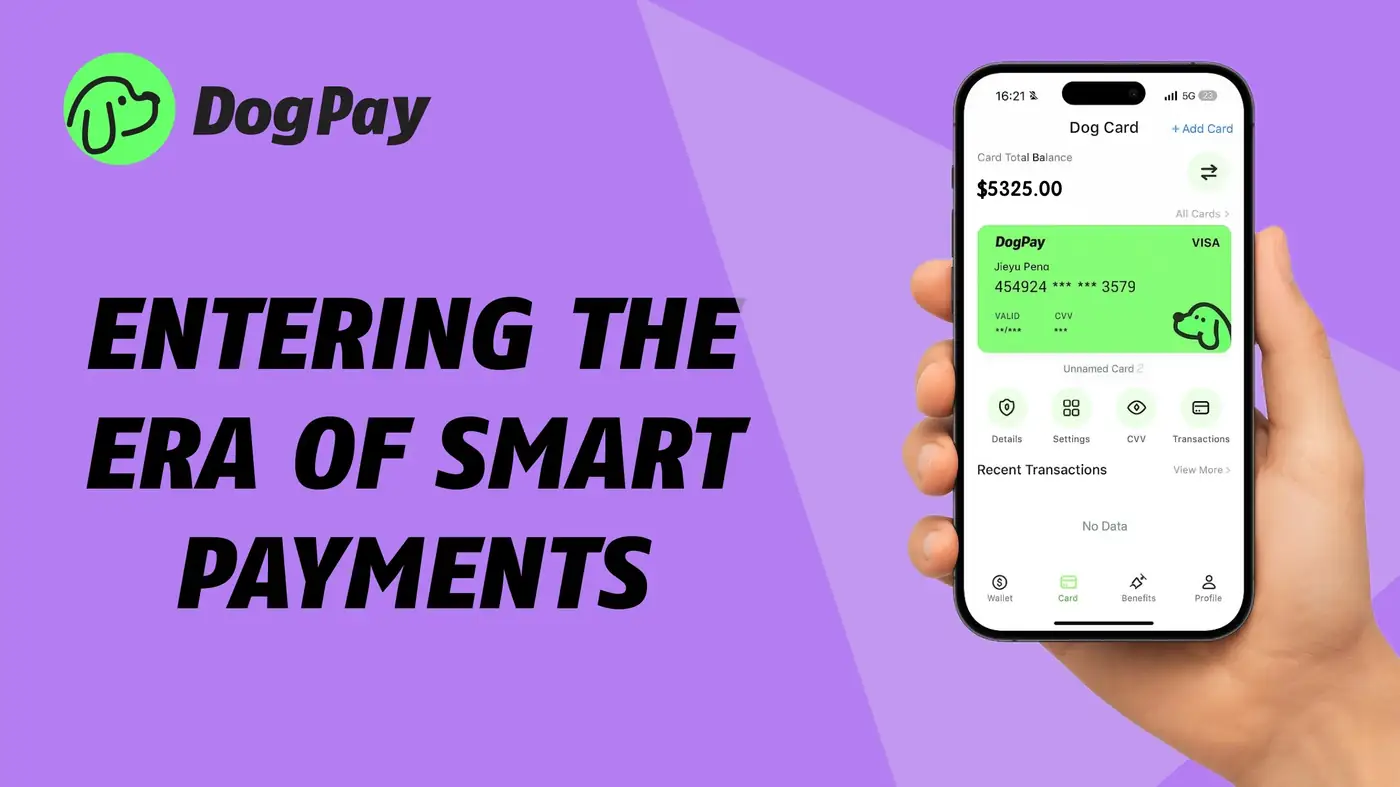
An online payment card decline can interrupt a subscription renewal, a cloud bill, or a vendor payment at the worst time. Businesses often need a fast, controlled way to keep paying without exposing the whole company card. DogPay can help teams respond through virtual cards, global accounts, stablecoin settlement, and wallet/payment infrastructure.
Start by diagnosing the decline. The card may have hit a limit, the billing details may not match, or the merchant may apply its own risk checks. Once you know the cause, DogPay lets you issue a dedicated card for that merchant or workflow. A single-purpose card can make limits, funding, and ownership clearer, which helps finance teams avoid mixing budgets.
For recurring online payments, dedicated virtual cards can support cleaner reconciliation. Teams can assign a card to a vendor, a software subscription, or a campaign, then review spend visibility in one place. If a card is declined, operations can pause that card, review the payment record, and route the next attempt through a different card or account setup where the merchant supports it. DogPay does not promise approval or acceptance, because merchants and issuers apply their own rules.
Stablecoin settlement and global accounts can help businesses move value into their payment workflow while keeping records tied to specific cards. This is useful for cross-border SaaS, ad platforms, and contractors. The practical response is to keep a backup payment method, maintain accurate billing details, and monitor card status before renewal dates.
DogPay fits the payment workflow as a layer for dedicated cards, global accounts, stablecoin settlement, wallet/payment infrastructure, and spend visibility. It can help businesses organize how they pay online and respond when a card is declined, while keeping compliance and payment operations in view.