
International Merchant Card Decline: How Businesses Can Use DogPay for Continuity
 DogPayCard Editorial
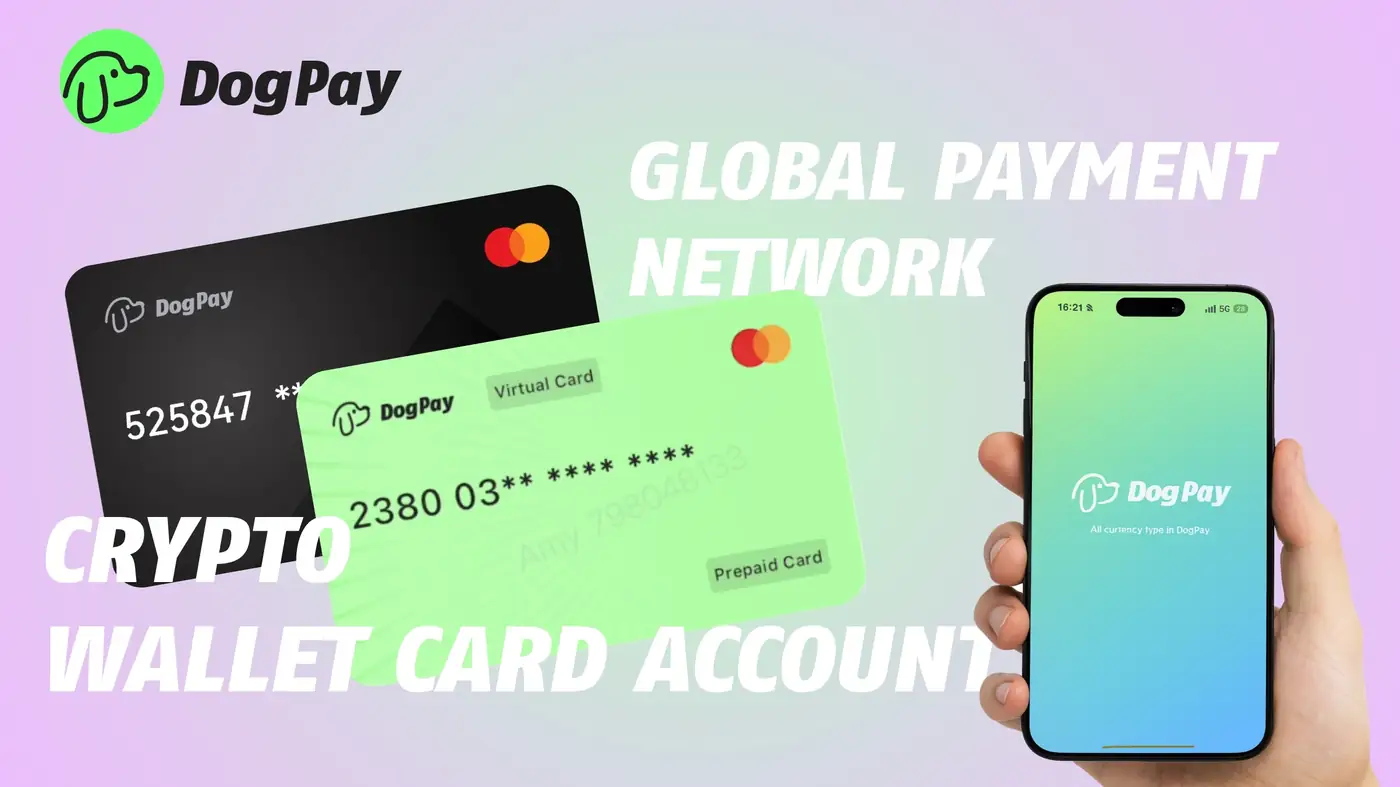
An international merchant card decline often happens at the worst time. A supplier invoice, a software subscription, or an ad platform charge fails, and teams scramble to find another way to pay. Businesses can use DogPay to build a more practical response by adding virtual card and global account options to their payment workflow.
First, understand the likely reason. Cross-border declines can come from issuer rules, currency mismatch, fraud checks, or merchant risk controls. A single failed attempt does not mean the merchant will not accept your payment. It means the current card route did not work.
Next, separate spend by purpose. DogPay can help businesses create dedicated virtual cards for specific vendors, teams, or campaigns. This keeps one decline from disrupting unrelated payments and makes it easier to see which card was used for which charge.
For cross-border needs, a global account setup can support payments in different currencies, while stablecoin settlement can offer a digital settlement route for eligible businesses. These tools do not promise approval or acceptance at every merchant, but they can give finance teams more than one way to route a payment.
Operationally, keep a backup card ready, confirm merchant details, and check whether the merchant requires a different currency or billing profile. Use spend visibility to review failed attempts and adjust limits or card assignment before retrying.
DogPay fits into this workflow as payment infrastructure: dedicated virtual cards, global accounts, stablecoin settlement, wallet and payment operations, and spend visibility. It can help businesses respond to an international merchant card decline with clearer controls and alternative payment routes, while final acceptance still depends on the merchant and its payment partners.