
How can I create a different virtual card for each subscription in DogPay?
 DogPayCard Editorial
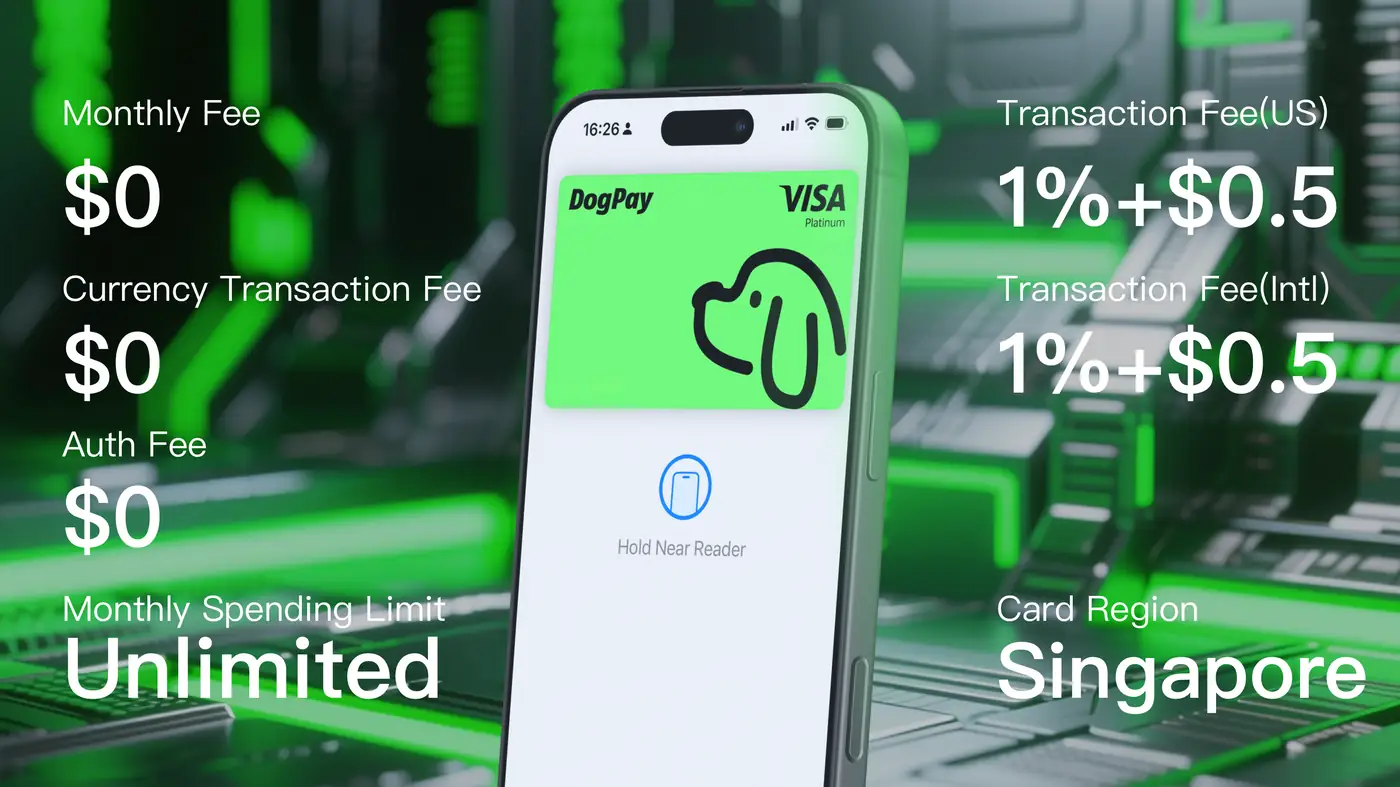
Managing subscriptions on one shared card usually ends the same way: unclear renewals, surprise overages, and a mess of “which tool charged us?” questions.
Creating one DogPay virtual card per subscription is a simple spend-control pattern: each vendor gets its own card, its own limits, and its own lifecycle (freeze/cancel without impacting anything else).
The problem: subscriptions pile up faster than you can control them When multiple SaaS tools, AI platforms, and ad accounts all share a single card, you lose basic controls: No clean attribution: charges are hard to map to a single tool, owner, or budget. Renewals are risky: one failed renewal can block access to a critical tool, while an overcharge can go unnoticed. One card = one point of failure: if the card needs to be replaced or a merchant is disputing charges, everything downstream is affected.
Why subscription payments fail (and why separate cards help) Recurring billing issues are common—especially with global or digital merchants. Some typical causes: Merchant verification or location mismatch: some platforms are strict about billing details and payment patterns. Limit/threshold problems: a renewal amount changes (plan upgrade, seats added, tax/VAT) and exceeds what the card can cover. Multiple merchants sharing one card: fraud systems may flag unusual subscription stacks or rapid successive charges. Card changes: replacing a company card forces you to update payment details everywhere—miss one, and a renewal fails.
A dedicated card per subscription doesn’t magically eliminate every decline reason, but it does make problems easier to isolate and fix. If one subscription is failing, you can adjust that one card (limits/status) without breaking other tool