DogPayCard
Global SaaS companies often struggle with cross-border vendor payments, especially when traditional banking introduces delays and high fees. Stablecoin settlement offers a modern alternative, and DogPay provides the infrastructure to integrate it into your payment workflow.
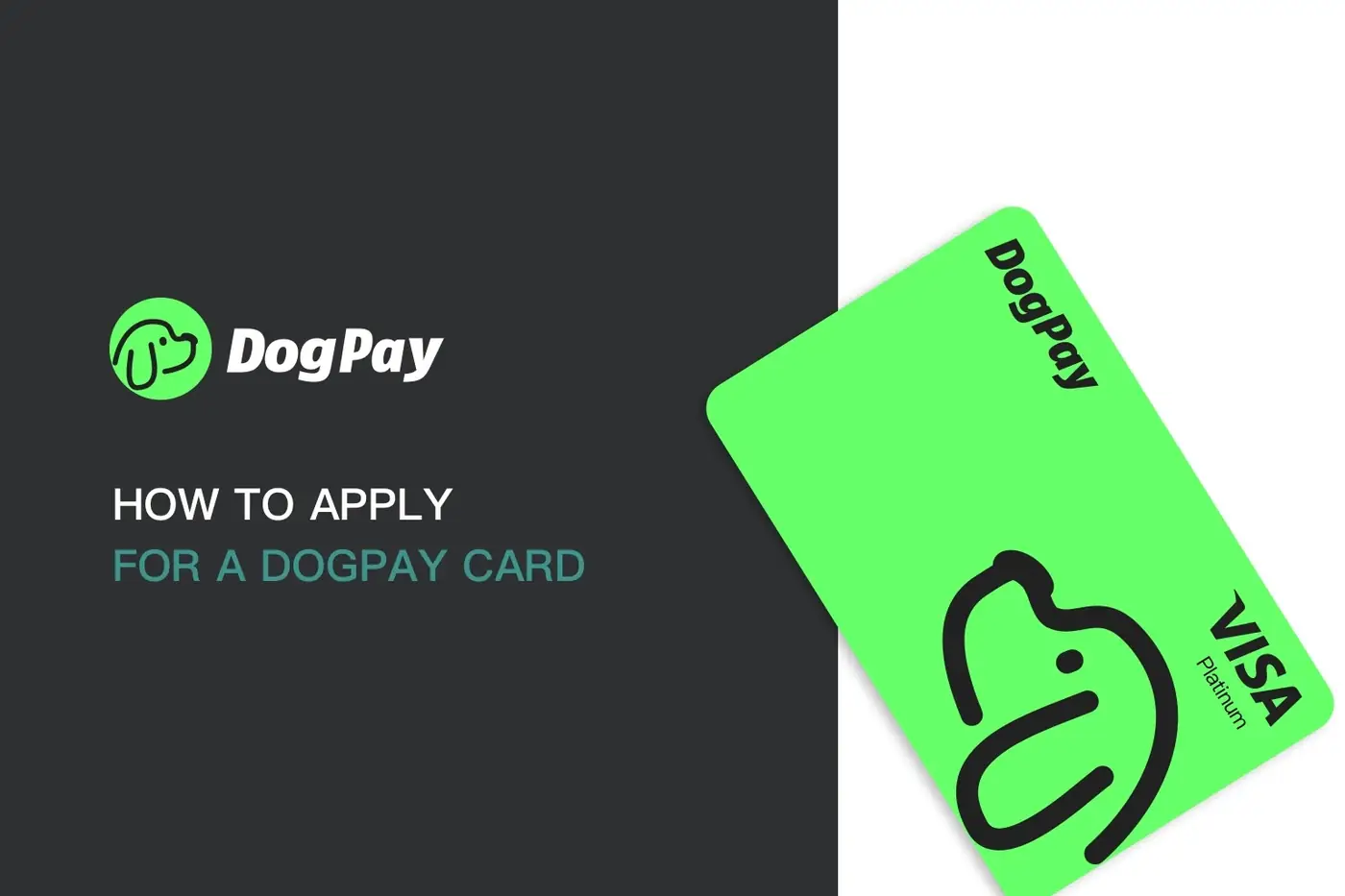
With DogPay, businesses can hold USDC or USDT in global accounts, then use those balances to pay vendors directly via stablecoin transfer or via dedicated virtual cards that draw on stablecoin funds. This approach can help reduce reliance on slow correspondent banking networks and simplify reconciliation, since transactions are recorded on-chain.
DogPay's wallet and payment infrastructure supports spend visibility, allowing finance teams to track who spent what, where, and when. This is particularly useful for SaaS companies with distributed teams and multiple contractors. By combining global accounts, virtual cards, and stablecoin settlement, DogPay can help streamline international payments while maintaining control over cash flow.
To get started, you would typically open a DogPay account, fund it with stablecoins, and then issue cards or make transfers to vendors. While DogPay does not guarantee universal acceptance, many vendors and card networks do support stablecoin-based payments. Always verify with your specific payees.
For global SaaS operations, DogPay can fit into your existing AP process by acting as a bridge between crypto liquidity and everyday business spending. It can help you settle invoices faster, reduce FX costs, and keep your payment operations agile—without requiring you to abandon traditional banking entirely. Explore how DogPay's global accounts and virtual cards can support your stablecoin settlement strategy.