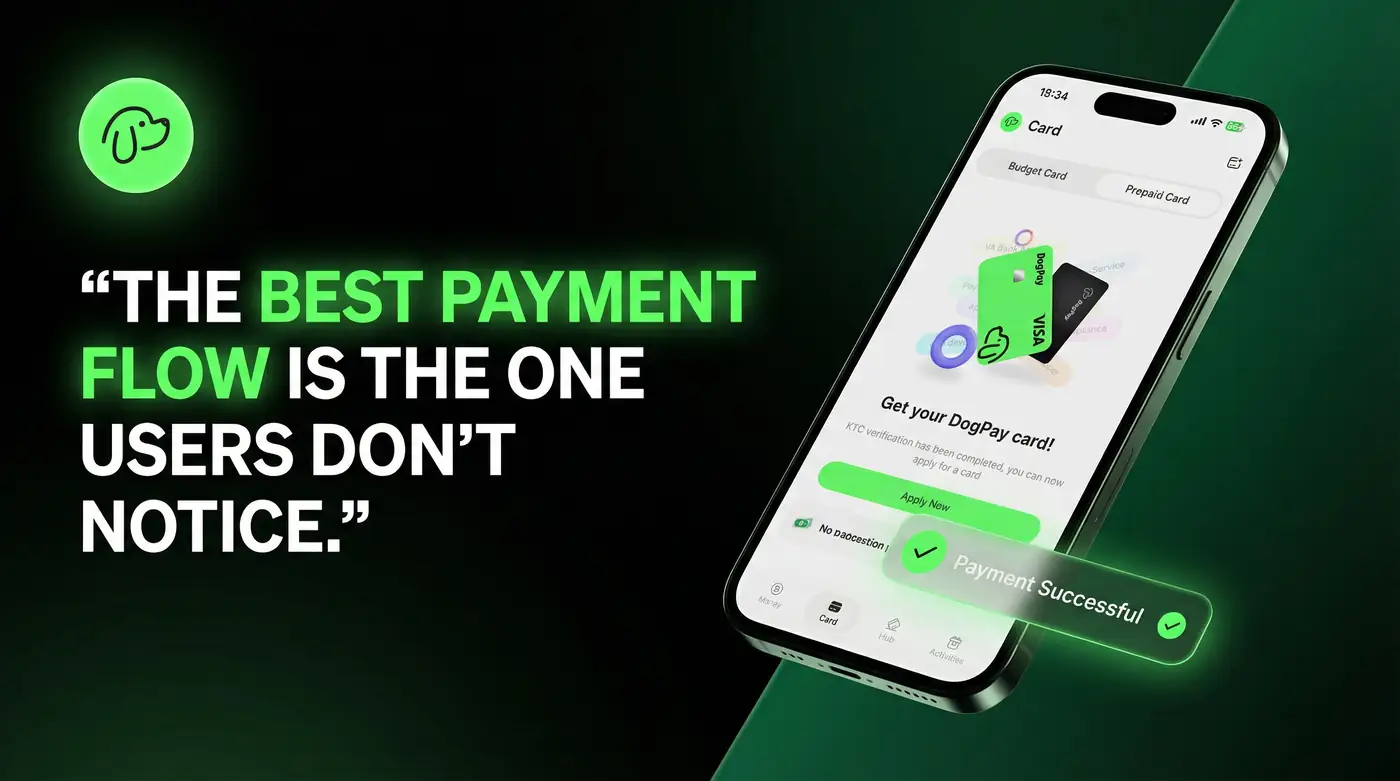
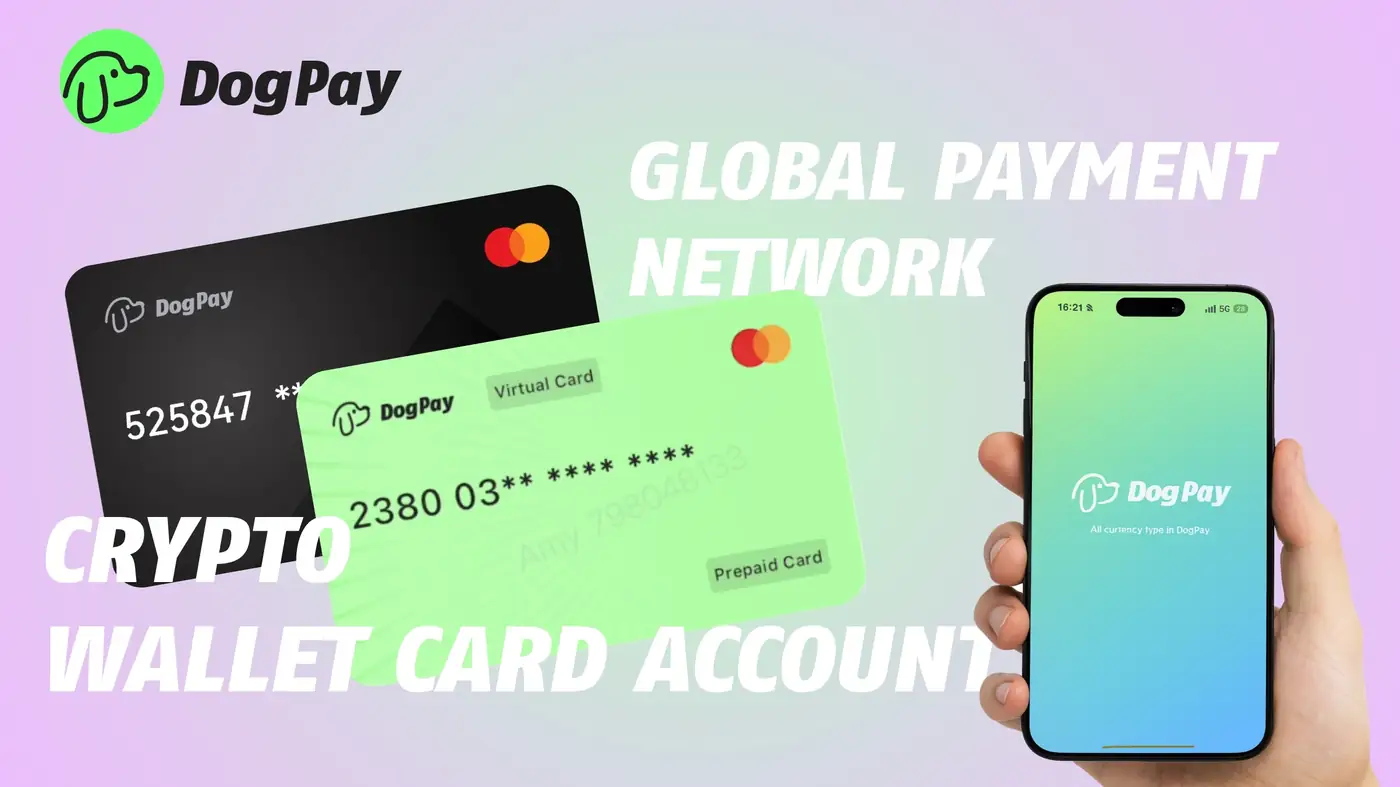
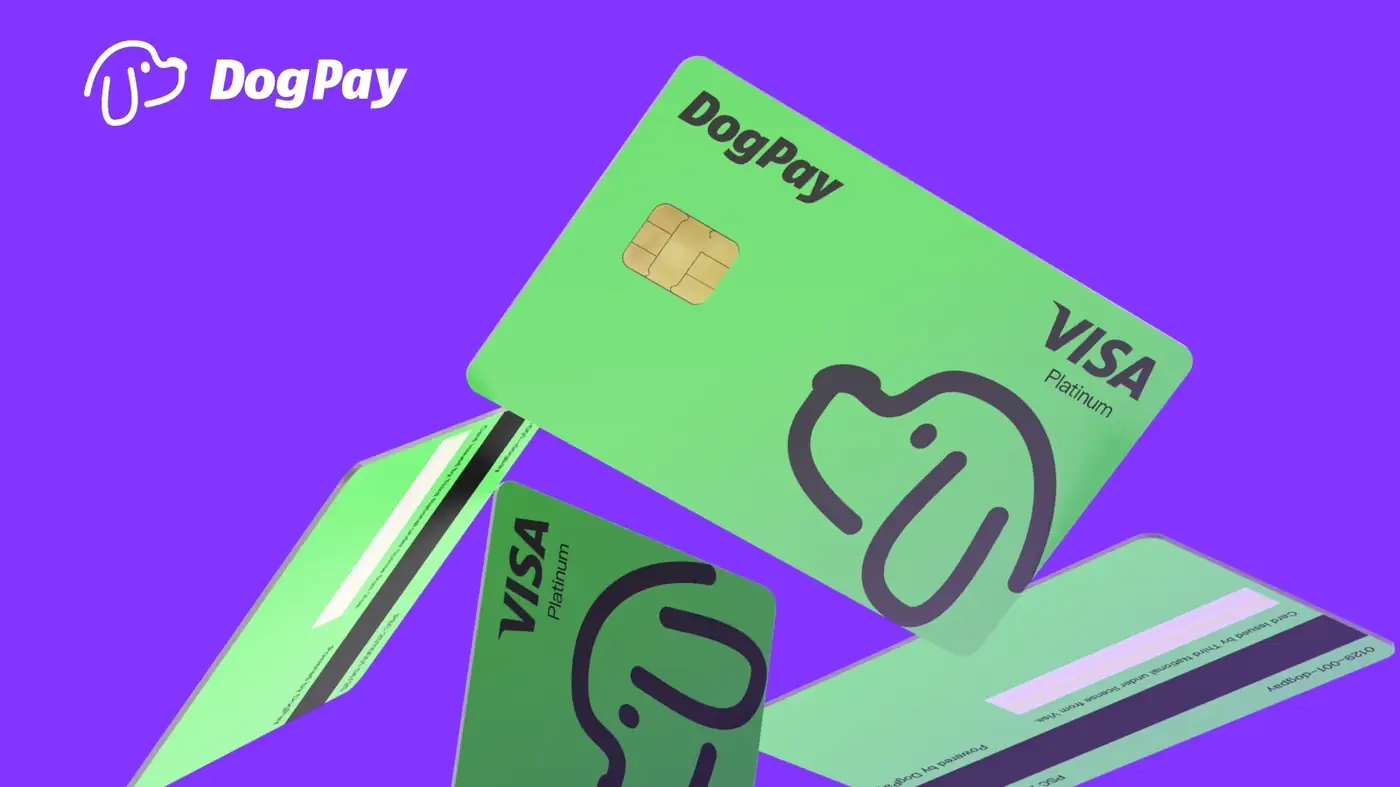
Businesses often ask whether virtual or physical cards are better for their payment workflows. The answer depends on where and how you spend. Virtual cards exist digitally and are typically used for online purchases, subscriptions, and ad spend. Physical cards are tangible and useful for in-person expenses like team travel or office supplies. With DogPay, you can issue dedicated cards for specific purposes. Virtual cards help separate expenses by department, project, or vendor without waiting for plastic. Physical cards can support everyday purchases where a card must be present. Consider your payment contexts. For e-commerce, software subscriptions, or recurring bills, virtual cards offer swift setup and can help contain spend to predefined limits. For travel or retail where you need a swipe or tap, physical cards provide practical convenience. Both card types can be used within a controlled spending framework. DogPay supports spend visibility and payment operations across fiat and stablecoin settlement. You can manage budgets and track transactions from a unified dashboard. DogPay fits into your workflow by providing dedicated card issuance and global accounts. It supports stablecoin settlement and wallet/payment infrastructure, helping you manage both online and offline spending with clearer oversight. Choose virtual cards for digital efficiency, physical cards for in-person needs, or a mix to cover all spending scenarios.
Spend Control / 5 min read
How Should Businesses Choose Between DogPay Virtual and Physical Cards?
Choosing between virtual and physical cards depends on use case. Learn when DogPay virtual cards suit online transactions and when physical cards fit in-person needs.

DogPayCard Editorial