DogPayCard
Managing both fiat and cryptocurrency introduces complexity, but also opportunity. With DogPay, businesses can hold and manage funds in a unified global account structure, moving between traditional currency and stablecoins when needed. This flexibility lets you pay suppliers, contractors, and platforms using the most efficient asset type.
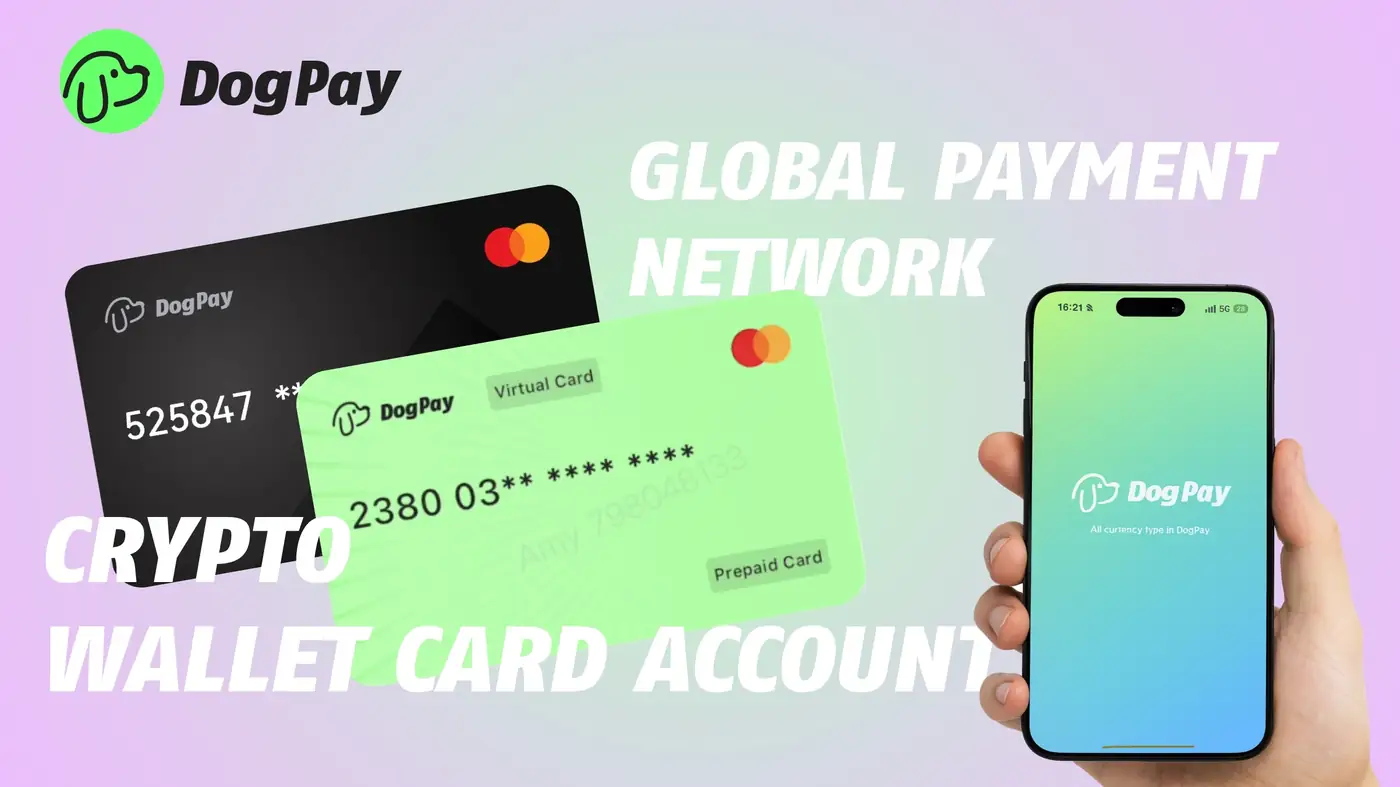
Spend control starts with clear visibility. DogPay provides a consolidated view of balances and transactions across fiat and crypto, reducing guesswork. You can allocate budgets by department, project, or payment purpose, and issue dedicated virtual cards for specific teams or expenses. Each card carries its own limits and restrictions, so you can enforce policies at the point of spend.
For example, a marketing team can have a card with a monthly cap for ad spend, while the engineering group uses a card for software subscriptions. Since cards are virtual, issuance is instant, and controls are updated digitally—no waiting for plastic.
Stablecoin settlement streamlines cross-border payments, often speeding up transaction times compared to traditional rails. This can be especially useful when paying international vendors or managing treasury operations. But DogPay does not promise guaranteed acceptance or zero failures; instead, it offers infrastructure that can help reduce friction when done right.
DogPay’s wallet and payment infrastructure also support compliance workflows, with features designed to aid record-keeping and audit trails. While DogPay does not replace your accounting software, it provides data that can be exported or used to reconcile internal systems.
In practice, this means less time chasing receipts and more time analyzing spend patterns. By unifying fiat and crypto in one platform, DogPay can help businesses improve operational efficiency and maintain tighter control over every payment.