DogPayCard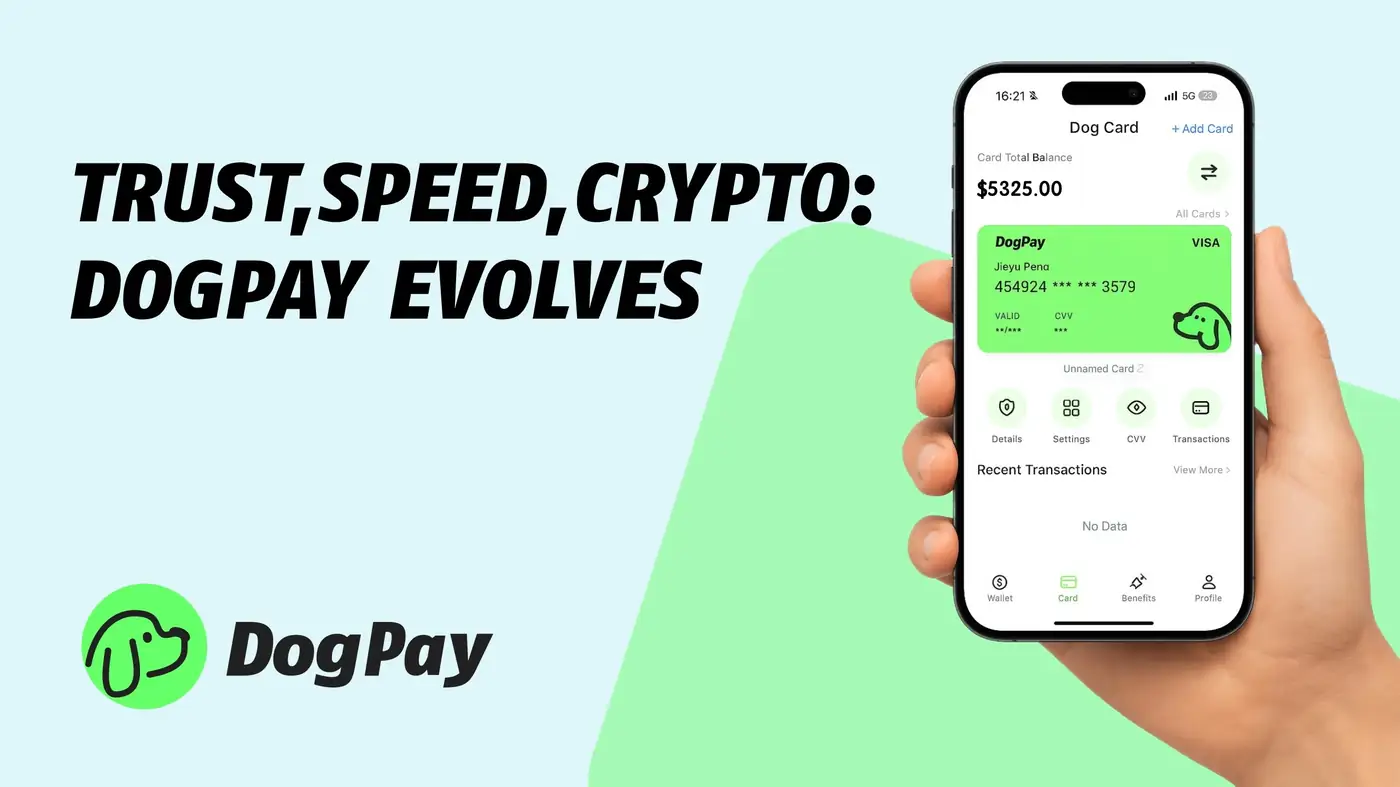
When managing business expenses, deciding between virtual and physical cards depends on use case. Virtual cards are ideal for online subscriptions, ad spend, and vendor payments because they can be issued instantly with dedicated limits. Physical cards suit in-person purchases, travel, and team expenses where a tangible card is required.
DogPay can support both card types through its wallet and payment infrastructure. With DogPay, businesses can fund dedicated cards from fiat or crypto accounts, using stablecoin settlement to streamline cross-border transactions. Spend controls can be set per card, helping finance teams manage budgets and reduce unauthorized purchases.
For virtual cards, DogPay can help generate card details for immediate use, while physical cards can be ordered for employees. Both options work with global accounts, supporting multiple currencies. However, card acceptance varies by merchant, and not all merchants accept virtual or physical cards, so verification is recommended.
DogPay's platform provides spend visibility across all cards, enabling real-time tracking and reconciliation. This helps businesses identify spending patterns and adjust limits as needed. While DogPay does not guarantee approval or acceptance, its tools can improve payment operations and financial control.
In summary, virtual cards offer flexibility and security for digital transactions, while physical cards provide convenience for offline purchases. DogPay can be part of a robust spend management strategy, integrating fiat and crypto funding, stablecoin settlement, and detailed reporting to support business needs.