DogPayCard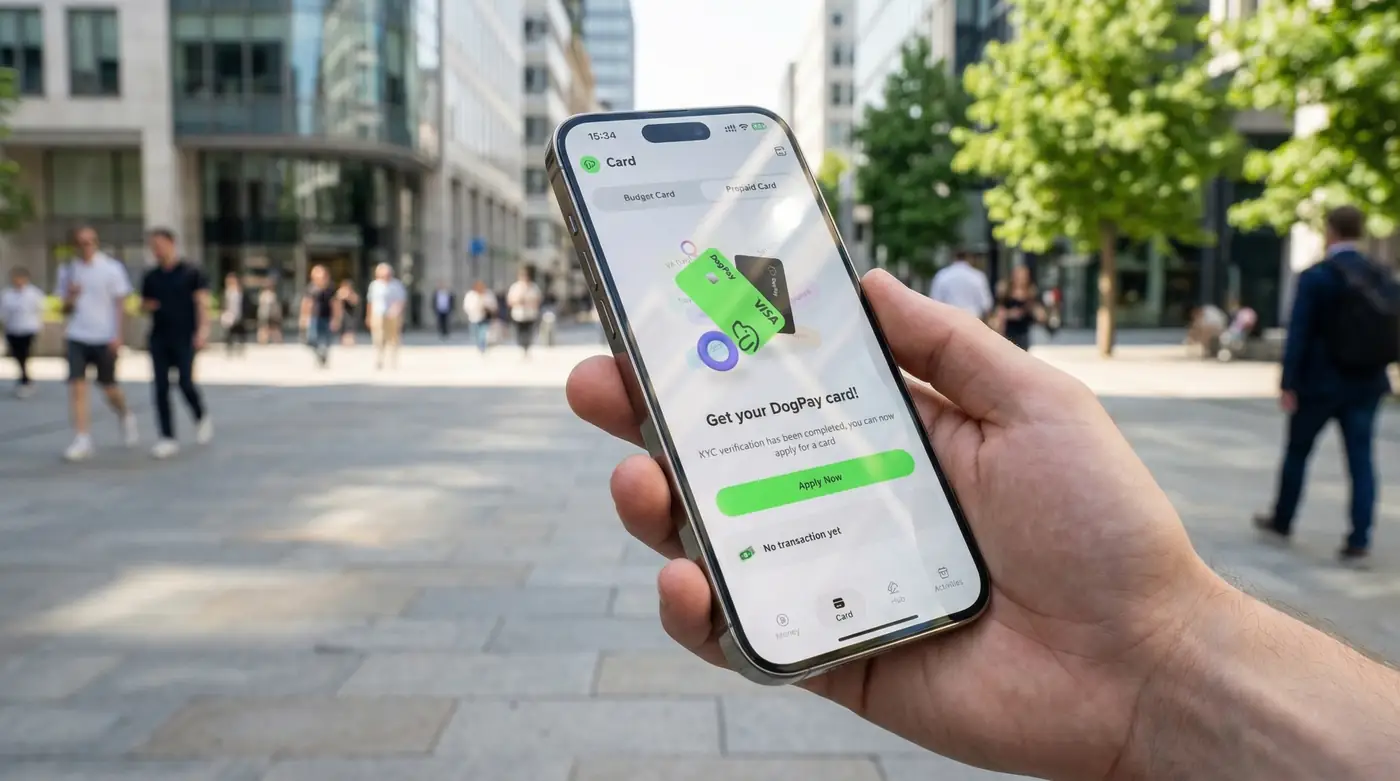
When managing business expenses, choosing between virtual and physical cards depends on use cases. DogPay offers both options, each with distinct benefits.
Virtual cards are ideal for online purchases, subscriptions, and digital advertising. They can be created instantly and used for single transactions or restricted to specific merchants. This reduces the risk of fraud and simplifies tracking. For example, a marketing team can issue a virtual card for ad spend, with limits that prevent overspending.
Physical cards, on the other hand, suit in-person expenses like travel, client meetings, or office supplies. They provide a tangible payment method accepted at point-of-sale terminals. While less flexible for digital control, they are essential for real-world transactions.
DogPay integrates both card types with fiat and crypto accounts. Businesses can fund cards using stablecoins or fiat, enabling settlement in their preferred currency. The platform provides spend visibility, allowing finance teams to monitor transactions in real time.
When deciding, consider your payment environment. If most expenses are online, virtual cards offer speed and control. If you have team members traveling or attending events, physical cards may be more practical. Many businesses use a combination to cover all scenarios.
DogPay's infrastructure supports dedicated cards, global accounts, and stablecoin settlement. This means you can manage both virtual and physical cards from one platform, with the ability to set limits and track spending. Whether you need to pay for software subscriptions or employee travel, DogPay can help streamline your payment operations.