DogPayCard
Managing recurring payments like software subscriptions, cloud services, or monthly vendor invoices often creates administrative overhead. DogPay virtual cards can help businesses streamline this process by offering dedicated card details for each recurring billing relationship.
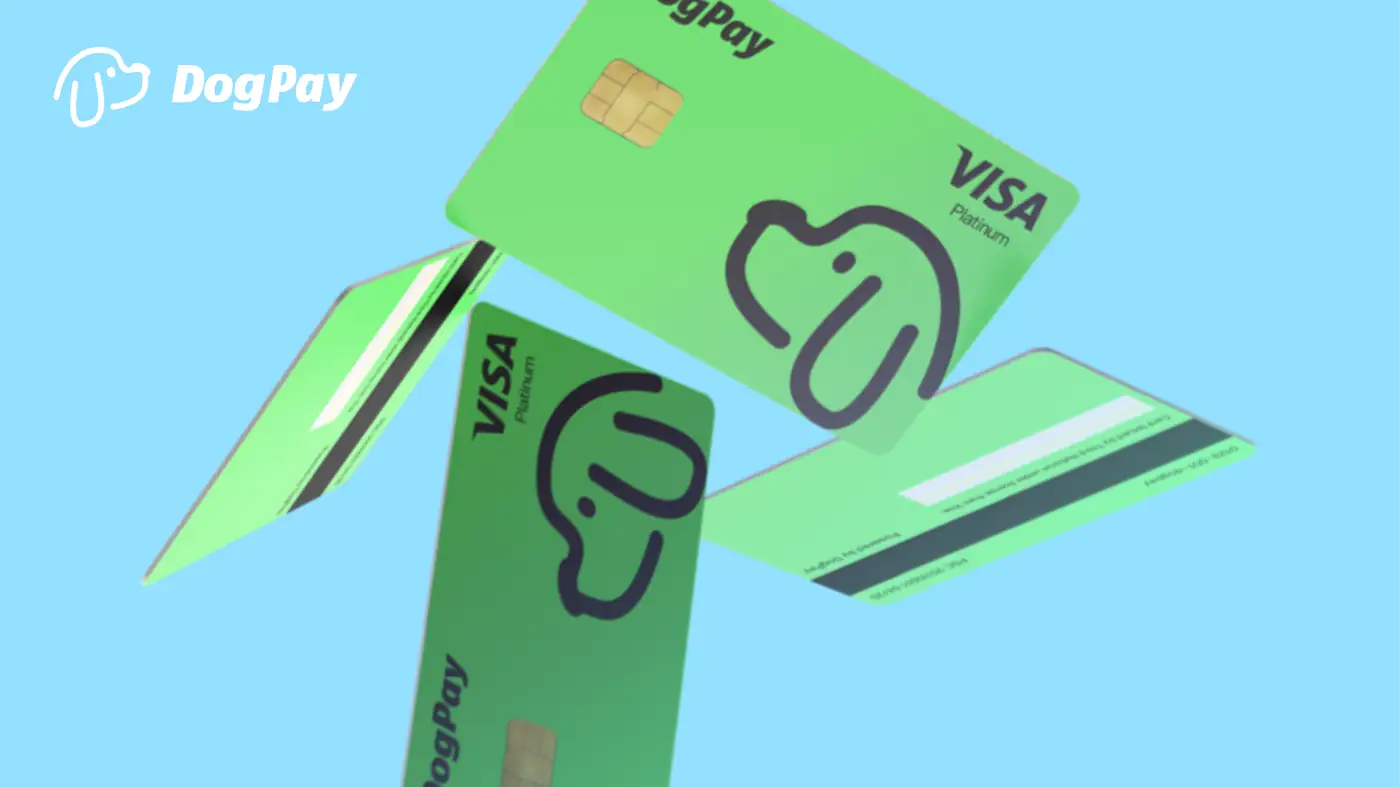
With DogPay, you can generate virtual cards that are linked to your global account or funded via stablecoin settlement. Each card can be assigned to a specific vendor or subscription, which helps with tracking expenses and maintaining clear spend visibility. Instead of sharing one card across many services, you can issue separate cards for each recurring payment, making it easier to monitor usage and manage renewals.
DogPay also supports payment operations by letting you hold funds in stablecoins and convert them when needed, potentially reducing friction in cross-border recurring payments. While DogPay does not guarantee automatic top-ups or merchant acceptance, it does provide a flexible infrastructure that adapts to your billing cycles.
To set up recurring billing with DogPay, you typically create a virtual card, assign it to a specific vendor, and then use your existing billing process to charge that card. Many businesses find that this approach reduces the risk of overspending and simplifies reconciliation, as each card's transaction history is clearly visible.
DogPay fits into your payment workflow by offering a secure way to manage recurring payments without the need for traditional banking rails. Its virtual cards, global accounts, and stablecoin settlement options give finance teams more control over how and when payments are made. By using DogPay, you can streamline your subscription management, improve spend visibility, and maintain flexibility in your payment operations.