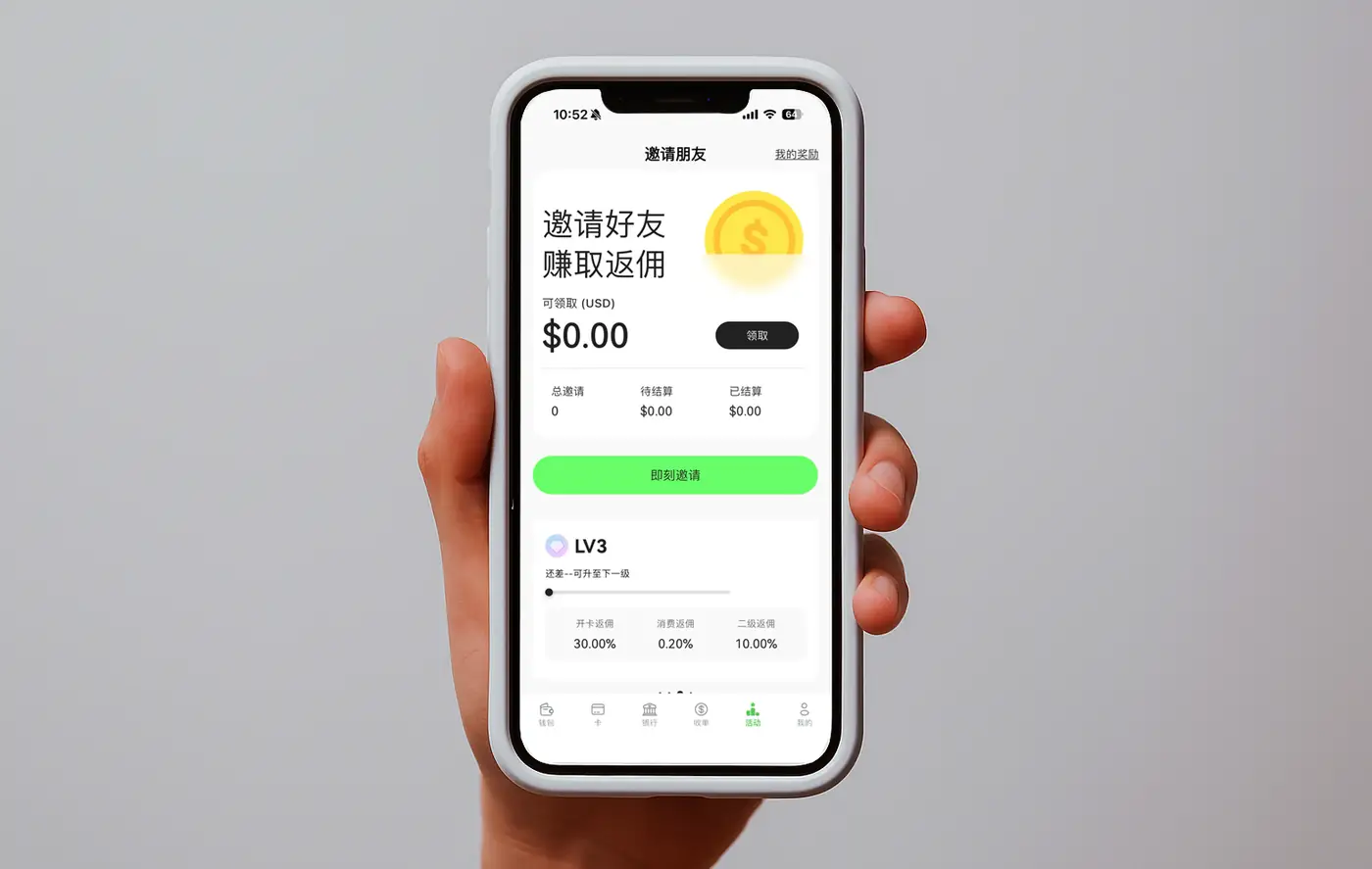
Businesses holding crypto in wallets often need to make payments to vendors, SaaS platforms, or freelancers that accept only fiat currencies. DogPay virtual cards bridge this gap. By linking a DogPay virtual card to a crypto wallet, businesses can spend their digital assets at any merchant that accepts card payments, online or in-store. Here's how it works: the business funds a DogPay global account with stablecoins or select cryptocurrencies. DogPay then converts those funds at the time of transaction, settling with the merchant in fiat (e.g., USD, EUR). The card is virtual, so it can be issued instantly and used for one-time or recurring payments. Businesses can set spending limits, restrict merchant categories, and monitor transactions in real time. This approach avoids the need for a traditional bank account and provides a direct bridge between crypto holdings and everyday business spending. Additionally, DogPay supports multiple global accounts, enabling businesses to manage payments across different regions without currency conversion headaches. The platform also offers spend management features to give finance teams visibility into all card transactions. By using DogPay virtual cards, businesses can maintain their crypto treasury while gaining the flexibility to pay any vendor that accepts card payments. Importantly, DogPay does not guarantee acceptance by all merchants; the card is a standard payment card subject to merchant policies. But for most online and many physical merchants, it works seamlessly. DogPay fits into the payment workflow as the infrastructure that connects crypto wallets to the traditional card network. The business keeps its crypto in its own wallet, then moves funds to DogPay as needed for card spending. DogPay handles the conversion and settlement, providing a simple way to spend crypto without selling it on an exchange. This makes DogPay a practical tool for businesses looking to use their crypto holdings for operational expenses while maintaining control and visibility over spending.
Virtual Cards / 5 min read
How Businesses Use DogPay Virtual Cards for Crypto Wallet Payments?
Learn how DogPay virtual cards allow businesses to spend crypto via traditional payment networks, with full spend control, global reach, and stablecoin settlement.

DogPayCard Editorial