DogPayCard
Businesses often wonder whether to issue virtual cards or physical cards for their teams. The answer depends on the use case and the payment environment.
Virtual cards are ideal for online transactions, such as software subscriptions, digital ads, and SaaS bills. They provide a unique card number that can be set with specific spending limits. This can help reduce the risk of unauthorized charges and make it easier to track expenses per project or department. Because they are issued instantly, they are useful for one-off purchases or for teams that need quick access to funds without waiting for plastic.
Physical cards, on the other hand, are best for in-person expenses like team travel, client meetings, or office supplies. They offer the familiarity of a traditional card and are accepted at most point-of-sale terminals. For businesses with field teams or frequent offline purchases, physical cards can streamline expense reporting.
Many companies use a combination: virtual cards for controlled online spend and physical cards for necessary face-to-face transactions. This approach allows finance teams to apply different rules and limits based on the payment channel.
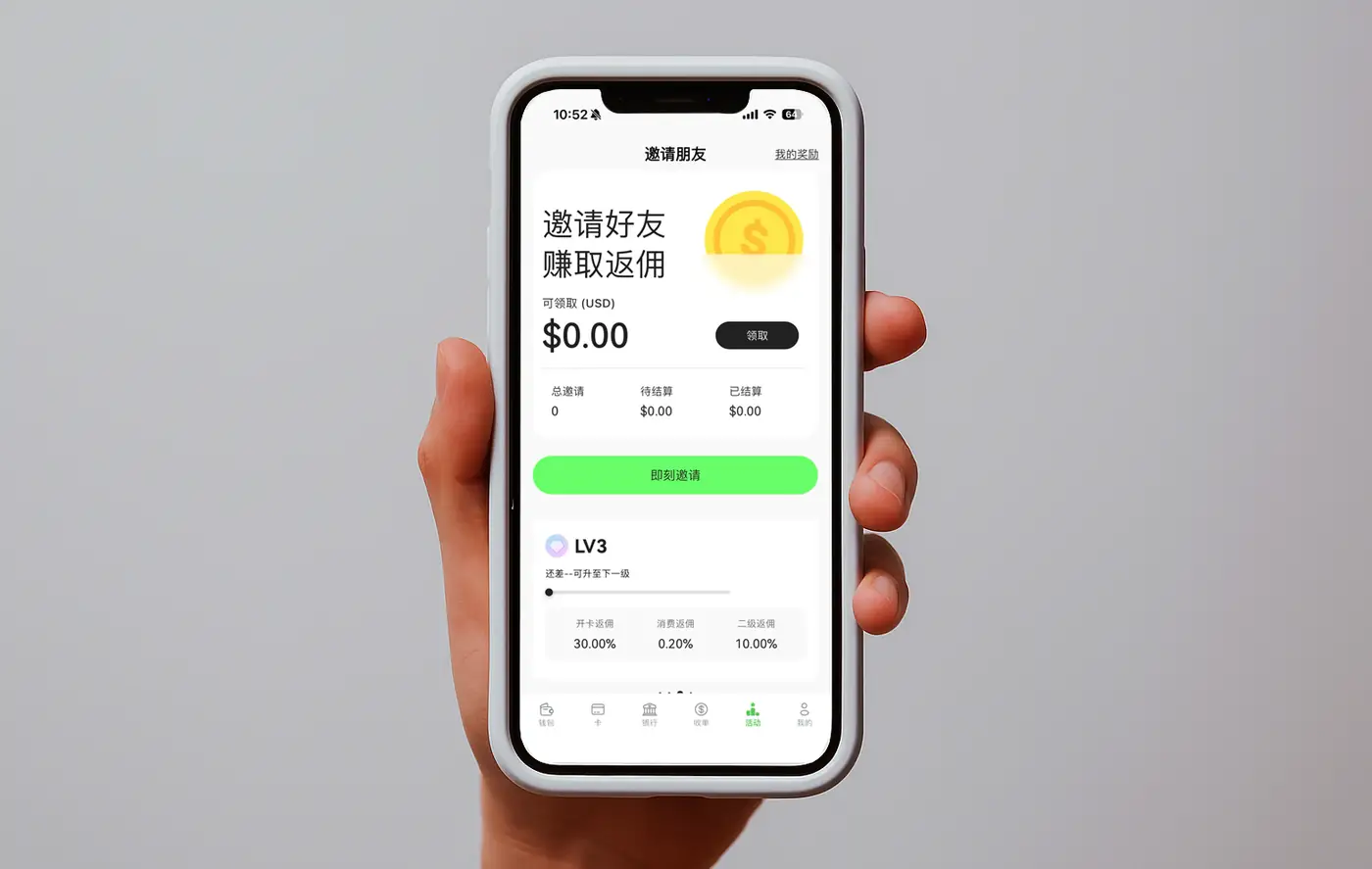
DogPay can support both card types within its platform. With dedicated cards, global accounts, and stablecoin settlement, DogPay can help businesses manage spend across fiat and crypto. The platform offers spend visibility and payment operations tools that can assist in tracking and reconciling expenses. Whether you need a virtual card for a quick online payment or a physical card for a conference trip, DogPay can be part of your payment workflow. Always evaluate your specific needs to decide which card type fits best for each situation.