DogPayCard
Choosing between DogPay virtual cards and physical cards depends on your business payment scenarios. Virtual cards are digital payment tools that can be created for specific purposes, such as online subscriptions, software purchases, or ad spending. They can support spend control by allowing you to set limits per card, which helps manage budgets and reduce the risk of over-spending. Physical cards, on the other hand, are useful for in-person transactions like team travel, client meetings, or office supplies.
For example, a marketing team might use virtual cards for each advertising platform, making it easier to track spend per campaign. In contrast, a sales executive may use a physical card for business lunches and transportation.
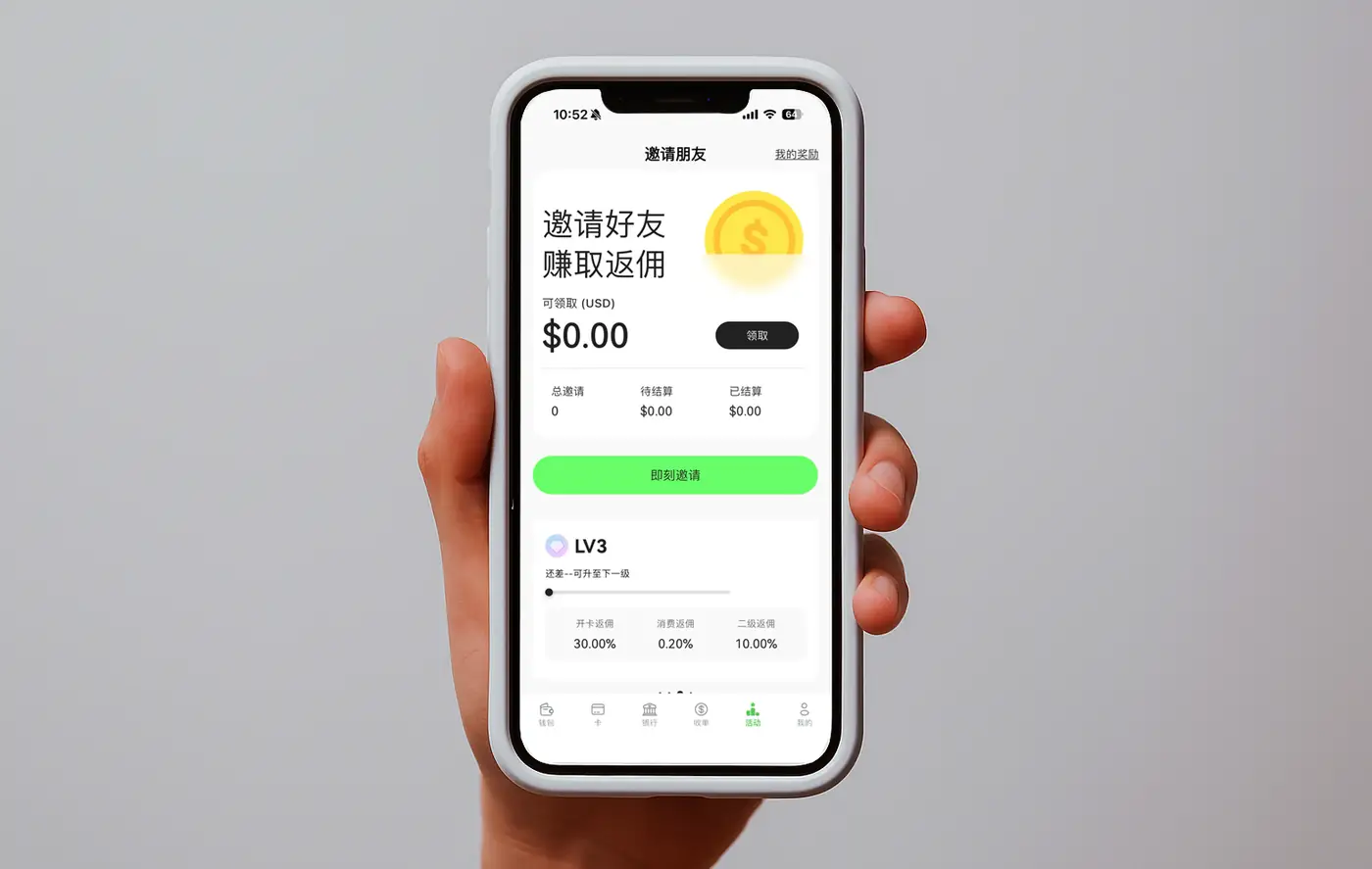
DogPay can help you issue both virtual and physical cards that are linked to your business accounts. With a global account that supports fiat and stablecoin settlement, you can fund these cards as needed. The DogPay platform provides spend visibility, allowing you to monitor transactions in real time and adjust limits when circumstances change.
While virtual cards offer immediacy and digital control, physical cards provide flexibility for offline use. Neither is inherently better; the right choice depends on the payment context. Some businesses may benefit from using both: virtual cards for recurring digital expenses and physical cards for occasional in-person needs.
DogPay fits into your payment workflow as a payment infrastructure layer. It offers dedicated cards, global accounts, and stablecoin settlement to streamline how your team pays for goods and services. By maintaining a wallet or bank connection, DogPay can help you manage payment operations more effectively, with the goal of improving efficiency and oversight.