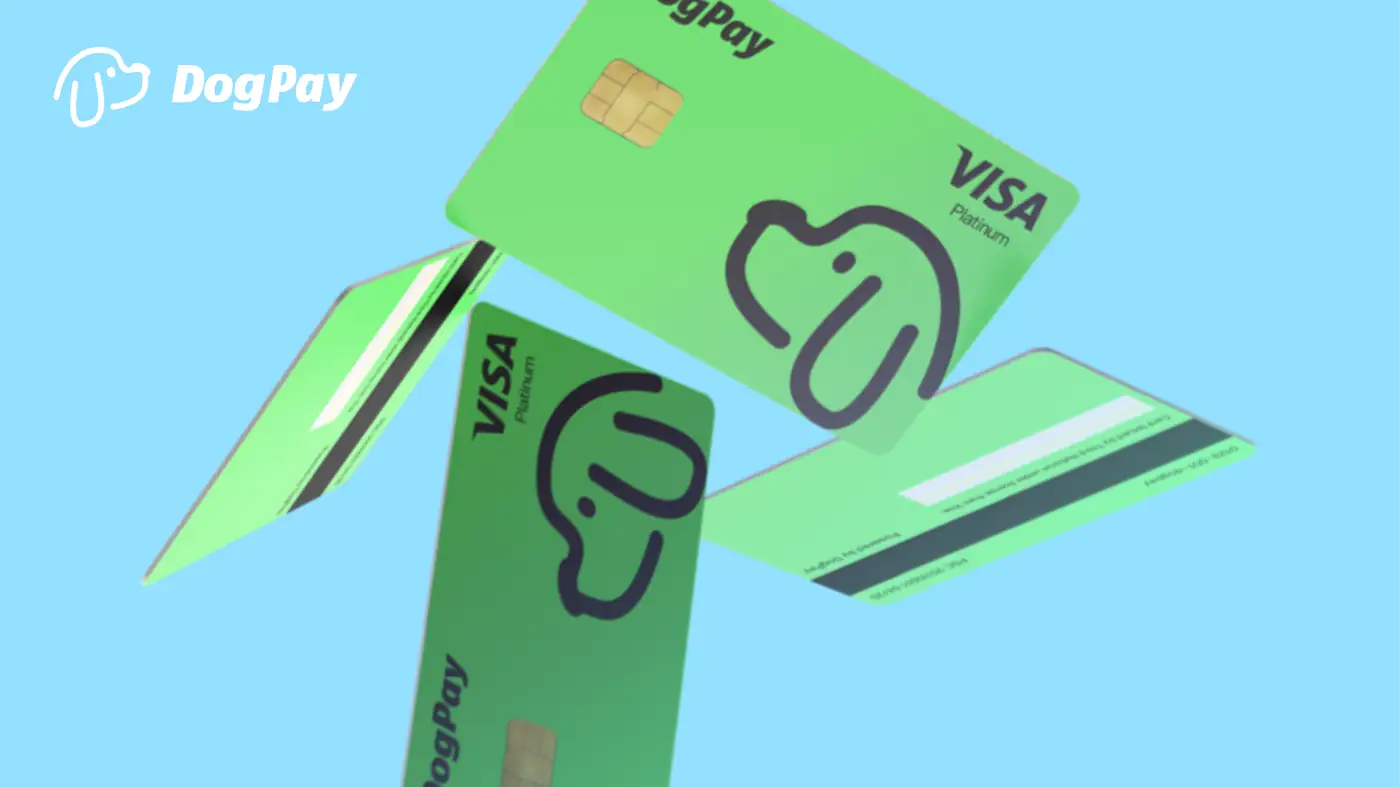
DogPayCard
Managing recurring payments—like software subscriptions, cloud services, and retainer fees—can be a headache. DogPay helps businesses streamline this process with virtual cards designed for recurring billing. Here's how it works.
First, create a dedicated virtual card for each recurring vendor. This keeps transactions separate and makes tracking easier. Instead of sharing one card across multiple subscriptions, each vendor gets its own card number, reducing the risk of unauthorized charges and simplifying reconciliation.
DogPay supports stablecoin settlement, meaning you can fund your card balance using USDC or similar stablecoins. This is especially useful for global businesses that need to pay vendors in different currencies without traditional banking delays. The global account feature lets you hold and manage multiple currencies, so you can settle invoices quickly and cost-effectively.
You also get spend visibility. Each virtual card has its own spending limits and can be paused or closed at any time. This helps you control costs and avoid surprises. For example, if a subscription renews at a higher rate, you can spot it early and decide whether to continue or cancel.
To set up recurring billing with DogPay, you typically add the virtual card details to your vendor's billing portal, just like a regular card. Then, when the vendor charges the card, the payment is processed through DogPay's payment infrastructure. You can monitor all transactions in one dashboard, making it easier to manage your payment operations.
DogPay can help you organize recurring expenses, improve control, and leverage stablecoin settlement for global payments. It's a flexible solution for businesses that want to modernize their billing processes without relying on traditional banking entirely. Remember, success depends on your specific vendors and payment environment, so always test with a small payment first.