
How Can Businesses Use DogPay for Global SaaS Payment and Control Spend?
 DogPayCard Editorial
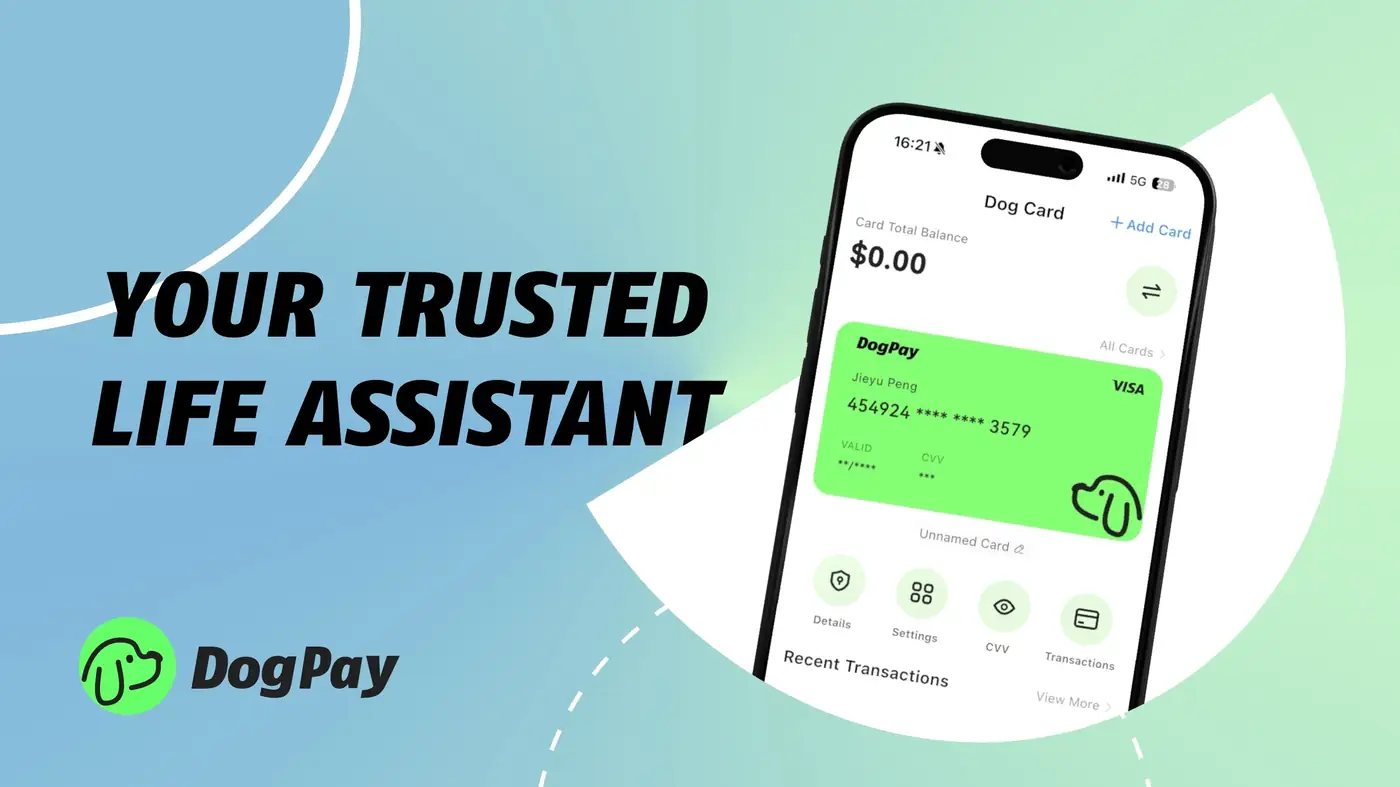
Global SaaS payment is rarely just a checkout problem. Finance teams need a clear way to pay vendors in different currencies, track recurring charges, and keep each subscription tied to an owner or budget. DogPay can help by fitting into the payment workflow as infrastructure rather than another one-off tool.
One common approach is to use dedicated virtual cards for SaaS vendors. Separate cards per tool or team can make it easier to see which subscription is being charged and to pause or replace a card if a plan changes. This supports spend control because finance is not chasing a single shared card used across many services.
DogPay can help with global accounts and stablecoin settlement where supported, which may reduce friction when vendors bill in different currencies or when treasury needs a more flexible funding route. Payment operations can also be more visible when cards, accounts, and settlement activity sit in one workflow.
For companies paying AI tools, design software, cloud services, or other online subscriptions, the practical benefit is cleaner oversight: who owns the subscription, which card it uses, and how it is funded. DogPay does not replace internal approval rules, but it can give teams a more structured way to issue cards, monitor spend, and manage vendor payments.
DogPay fits the payment workflow by offering dedicated cards, global accounts, stablecoin settlement, wallet and payment infrastructure, spend visibility, and payment operations. Businesses can use these capabilities to support global SaaS payments while keeping more control over how spend is authorized, tracked, and reviewed.