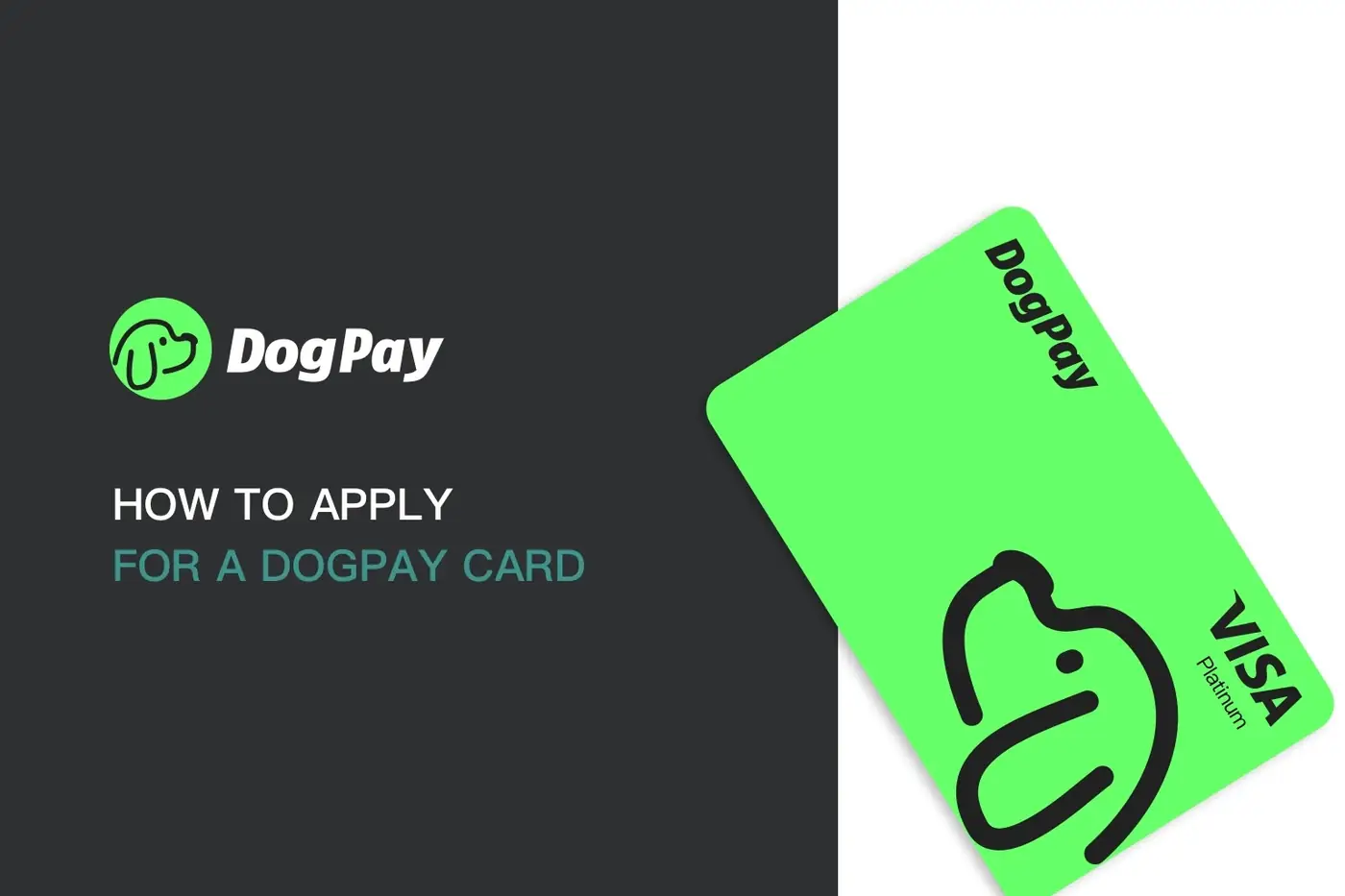
DogPayCard
For global SaaS businesses receiving crypto payments, the path to usable fiat often involves multiple exchanges and bank transfers, which can be slow and costly. DogPay offers a practical workflow to streamline this process. Businesses can first hold stablecoins like USDC or USDT in a DogPay global account, then settle to fiat when needed, using the funds to pay for operational expenses such as cloud services, software subscriptions, or contractor payments.
Using DogPay's virtual cards, teams can make everyday purchases in fiat while the underlying balance remains in stablecoins, reducing conversion friction. The platform provides a dashboard with spend visibility, allowing finance teams to set limits per card and monitor transactions in real time. This helps maintain control over budgeting and reduces the risk of unauthorized spending.
DogPay supports stablecoin settlement for business accounts, enabling companies to manage both crypto and fiat in one place. While not a bank, DogPay integrates with wallet infrastructure to facilitate smooth conversions. This means businesses can keep funds in stablecoins until conversion, potentially benefiting from lower fees and faster transaction times compared to traditional banking.
In practice, a global SaaS firm might receive a large payment in USDC from an international client. Instead of converting immediately, the finance team can hold it in a DogPay global account, then use virtual cards to pay for software tools, ad spend, or contractor fees. The cards are issued for specific team members or departments, each with its own spending limits. This approach supports efficient payment operations without requiring a complex banking relationship.
DogPay fits into the payment workflow as a complete solution for crypto-to-fiat spending. With features like global accounts, stablecoin settlement, and virtual cards, it enables businesses to manage their entire payment cycle from receipt to expenditure, all while maintaining clear oversight. This helps SaaS firms improve liquidity management and reduce the administrative burden of handling multiple payment methods.