DogPayCard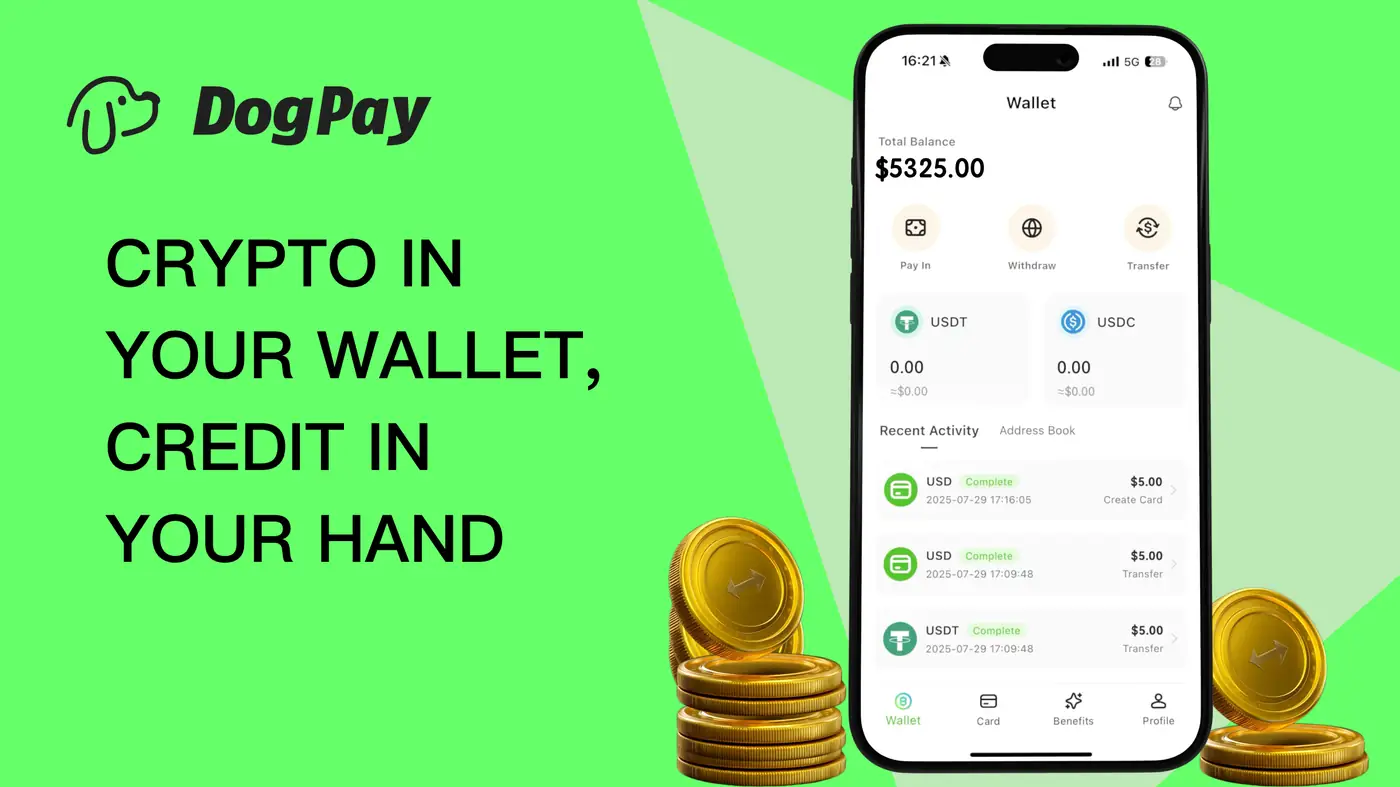
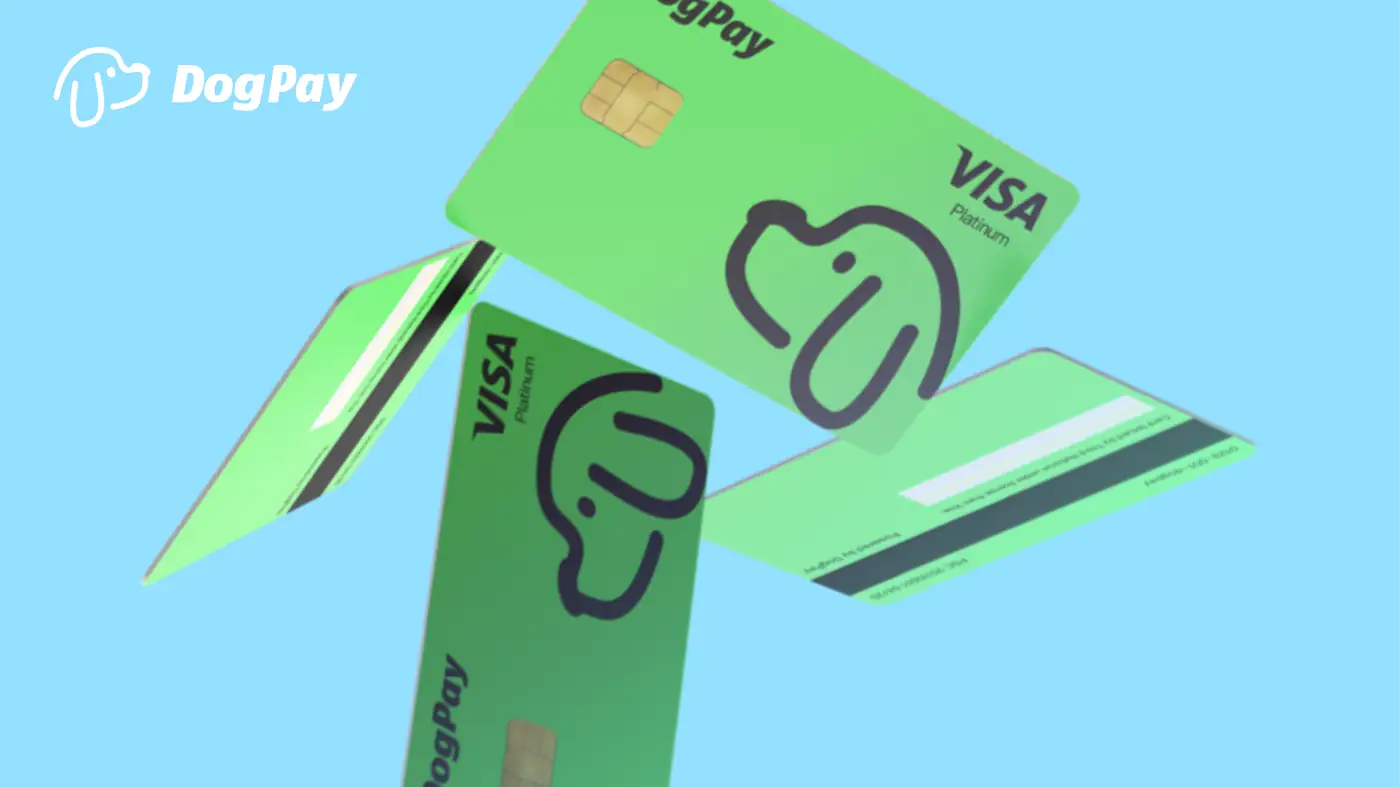
When a subscription payment fails, it often stems from insufficient funds, expired cards, or bank declines. Businesses need a proactive approach to minimize disruptions. DogPay virtual cards can be a strategic tool for managing recurring billing. Instead of linking a primary bank account, you can allocate specific funds to dedicated virtual cards for each subscription. This isolates spending and helps with budget tracking.
DogPay supports stablecoin settlement, which can provide an alternative funding method. If traditional banking rails cause delays, stablecoins may offer a faster settlement path. However, it's important to note that payment success depends on the merchant's acceptance and network conditions. DogPay does not guarantee approval or prevent all failures.
To handle failures, you can use DogPay's spend visibility features to monitor transaction statuses. When a payment fails, you can quickly review the card details, check available balance, and consider reinitiating the payment with updated funding. DogPay's wallet and payment infrastructure aim to provide flexibility, but external factors like merchant policies still apply.
By using DogPay, businesses gain a layer of control over subscription costs and payment operations. The global account feature allows for multi-currency management, which is useful for international subscriptions. While DogPay cannot eliminate failures entirely, its tools can help you respond faster and manage cash flow more effectively.
Integrating DogPay into your payment workflow means you can maintain dedicated cards for recurring services, use stablecoin rails for settlement, and keep a clear view of your spending. This approach supports better financial oversight and can reduce the friction associated with subscription payment hiccups.