DogPayCard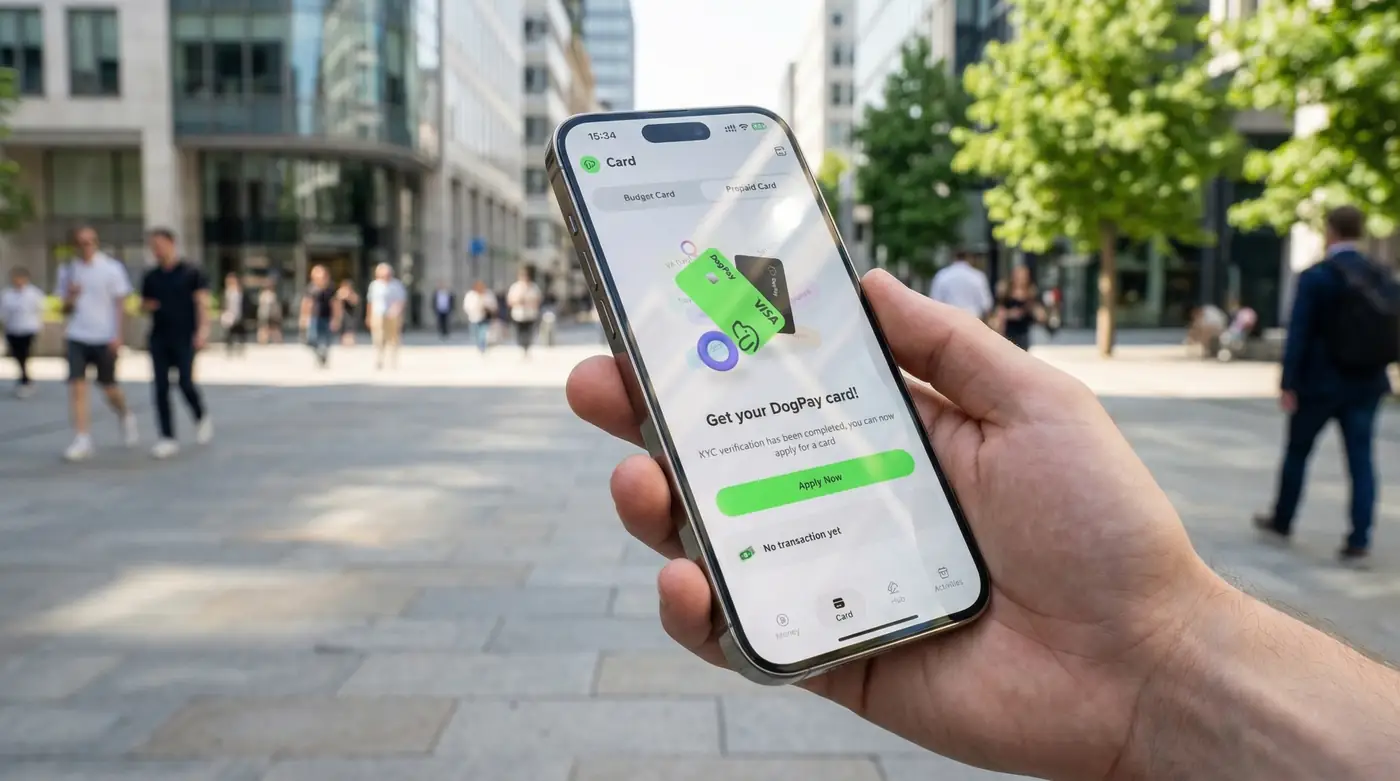
International merchant card declines are a common frustration for businesses operating globally. Traditional bank cards often trigger fraud filters when used across borders, leading to payment failures and lost opportunities. Reasons include mismatched billing addresses, unfamiliar transaction patterns, and limited foreign currency support.
DogPay virtual cards provide a practical fix. Businesses can issue dedicated virtual cards per transaction or supplier, reducing the risk of cascading declines. Each card can be configured with specific spending limits and expiration dates, while the underlying balance is funded via stablecoins, bypassing traditional banking delays. This approach offers better control and reduces the chance of a single card decline affecting multiple payments.
Additionally, DogPay’s global account infrastructure allows businesses to hold and settle in multiple currencies simultaneously. When a card is declined due to currency or routing issues, having a local-currency balance can help. However, success depends on merchant acceptance and network availability—DogPay cannot guarantee every transaction will go through.
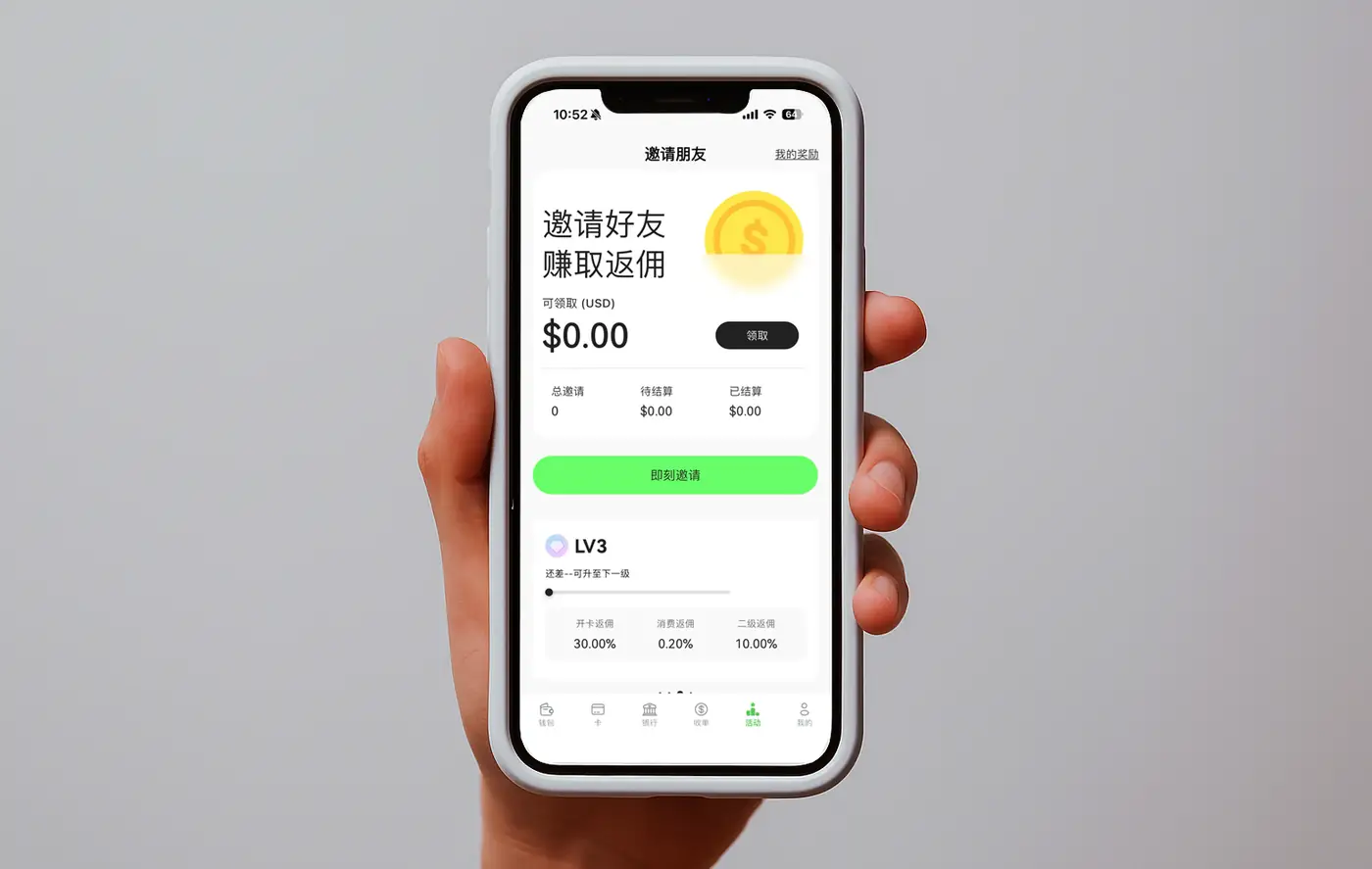
DogPay fits into the payment workflow by providing businesses with virtual cards linked to stablecoin-funded wallets. This setup enables quick card issuance, real-time spend visibility, and multi-currency settlement. For international payments, DogPay can help reduce declines, but businesses should always have backup payment methods and test card acceptance with key merchants beforehand.