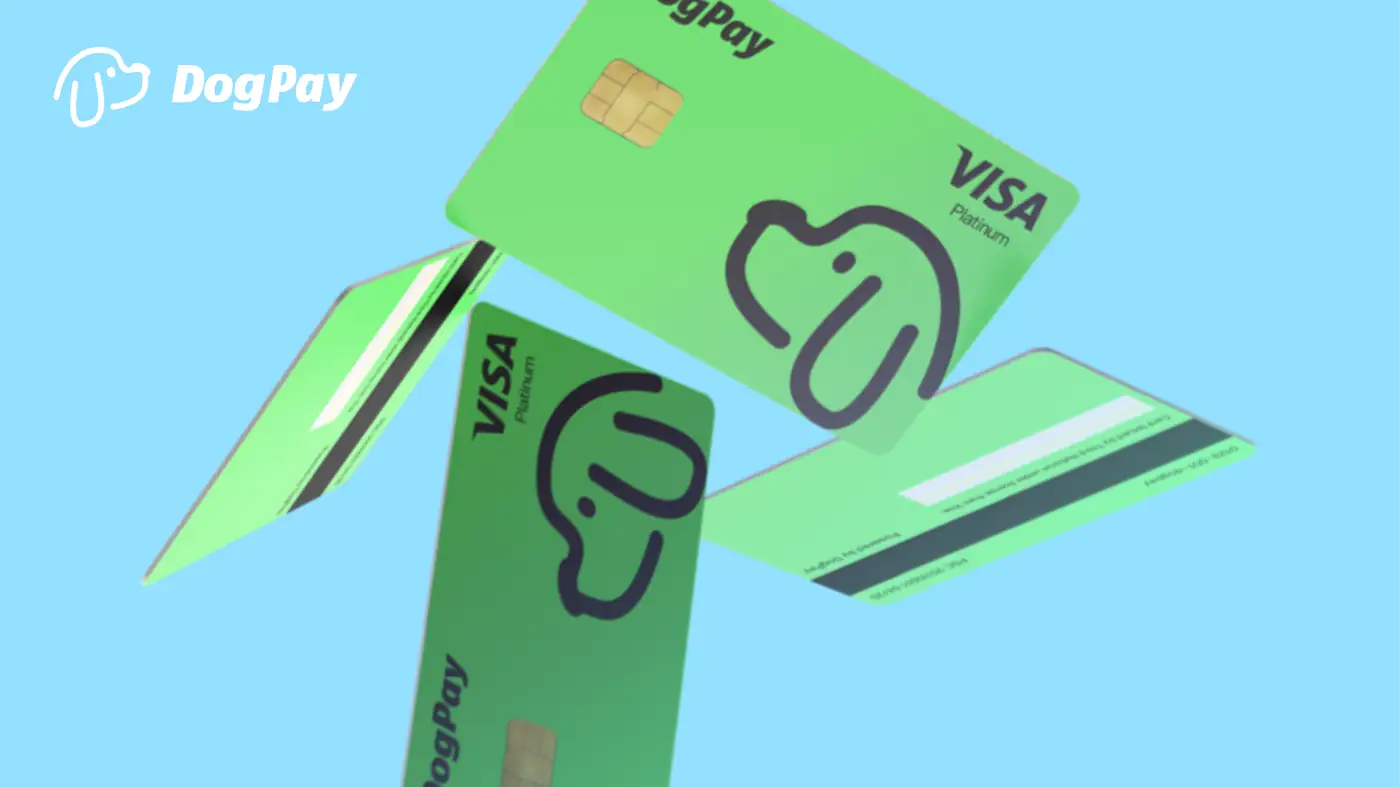
DogPayCard
Managing recurring billing—whether for SaaS subscriptions, vendor retainers, or marketing tools—often means juggling multiple payment methods and tracking expenses. DogPay virtual cards offer a practical solution for businesses that want to simplify this process.
With DogPay, you can create dedicated virtual cards for each recurring expense. This approach helps you maintain clear visibility into every subscription or retainer, as each card is tied to a specific merchant. Instead of digging through statements to identify charges, you can see exactly which service is being billed on which card. This also makes it easier to manage renewals: if a subscription is no longer needed, you can pause or cancel that specific card without affecting other payments.
DogPay supports stablecoin settlement, which can benefit businesses operating across borders. You can fund your DogPay account with stablecoins, convert them as needed, and use the virtual cards for payments in various currencies. This can reduce the friction associated with traditional banking and cross-currency transactions. However, note that actual conversion depends on current rates and network conditions.
The platform provides spend controls and real-time notifications, so you can set limits on each card and see transactions as they occur. This is especially useful for finance teams that need to enforce budgets or track spending against specific projects. While DogPay does not guarantee automatic top-ups or integrations with accounting software, its API and dashboards are designed to help you monitor and manage your spending.
For recurring billing, DogPay can help you organize payments, maintain better oversight, and leverage stablecoin settlement for global transactions. It is a flexible tool for modern payment operations, but as with any financial solution, you should evaluate your specific needs and test the platform to ensure it aligns with your workflows.