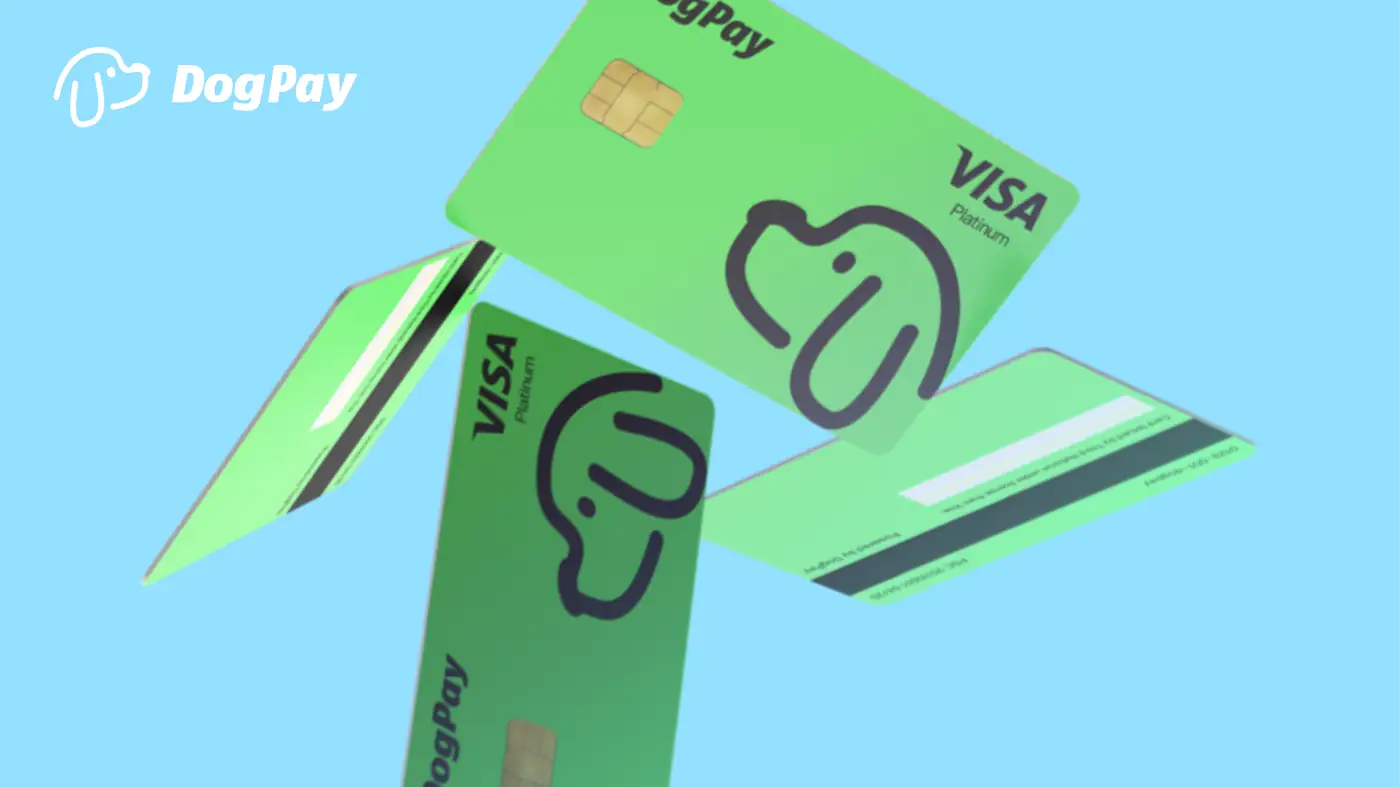
DogPayCard
When a subscription payment fails, it can interrupt your team's workflow and create administrative headaches. Common causes include insufficient funds, expired card details, or a bank declining the transaction. With DogPay, you can take a proactive approach to reduce the impact of these failures.
First, use dedicated virtual cards for each subscription. This isolates spend and makes it easier to track which service is tied to which card. If a payment fails, you can quickly identify the card and resolve the issue without hunting through statements. DogPay lets you create multiple cards, each with its own spending limit, so you can allocate budgets per vendor.
Second, maintain a global account with stablecoin settlement. This can help you manage cross-border subscriptions with more flexibility. DogPay's wallet infrastructure allows you to hold and convert funds efficiently, which may reduce friction when paying international vendors.
Third, use DogPay's spend visibility features. Real-time transaction data helps you spot patterns, like a vendor that frequently triggers declines. You can then decide whether to update card details, adjust limits, or switch to a different payment method.
While DogPay cannot guarantee that every payment will succeed, its tools give you greater control over your recurring billing processes. By organizing your subscriptions, monitoring spend, and maintaining adequate funding, you can minimize disruptions and keep your business running smoothly.
DogPay fits into your payment workflow by combining virtual cards, global accounts, and stablecoin settlement into one platform. It supports better spend control, clearer visibility, and more efficient payment operations for businesses of all sizes.