
How to Set Up a DogPay Virtual Card for Google Cloud Billing
 DogPayCard Editorial
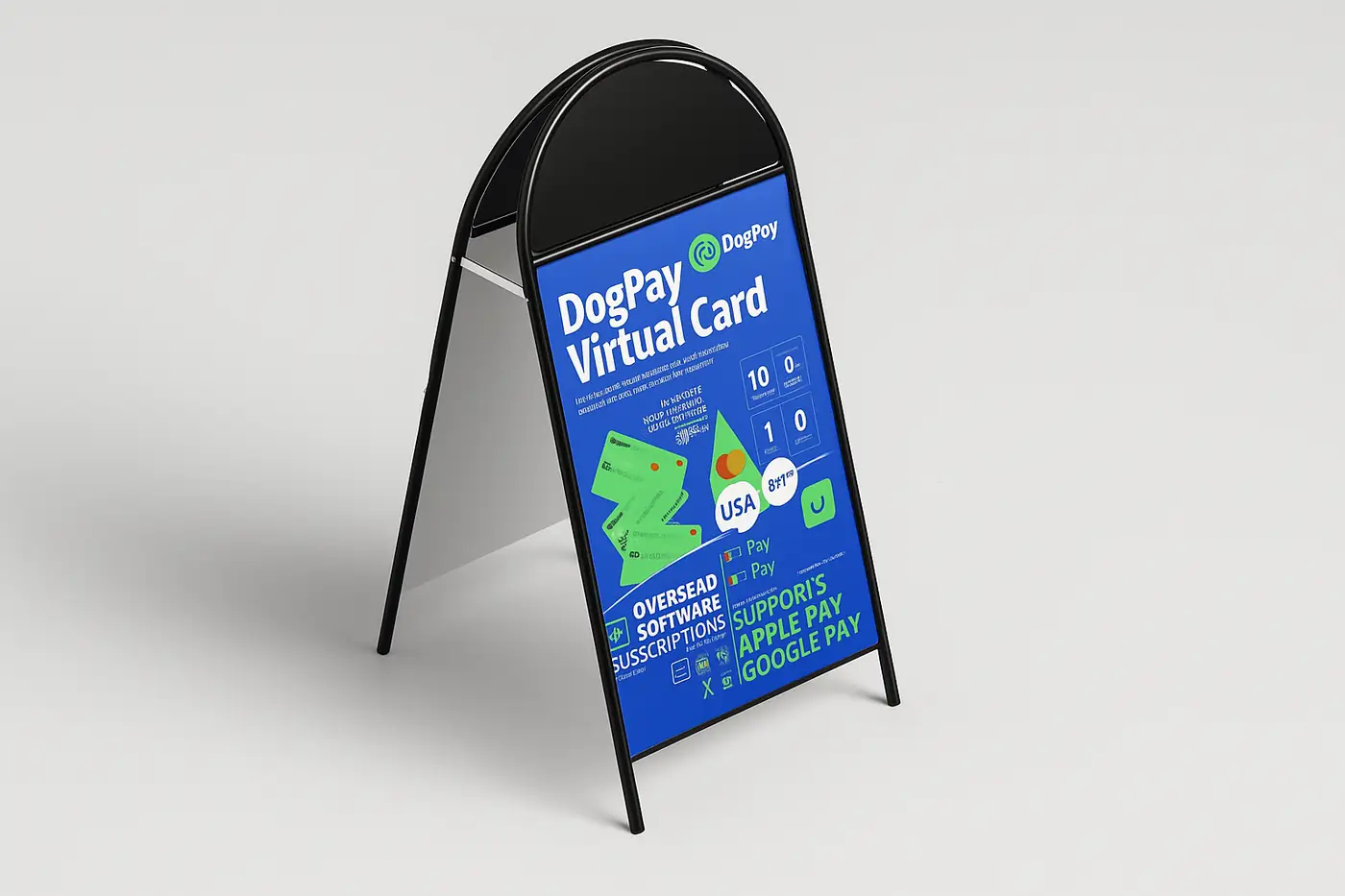
Businesses using Google Cloud often face challenges paying bills from international accounts, dealing with currency conversion fees, or managing spend across multiple projects. DogPay offers a practical alternative by letting companies fund virtual cards with stablecoins, which can then be used to pay Google Cloud invoices like any standard card. To get started, you first need to create a DogPay account and complete verification. Once your account is active, you can deposit USDC or USDT via supported networks (e.g., Ethereum, Solana, or Polygon). After funding your account, go to the DogPay dashboard and issue a virtual card. You'll assign a spending limit and choose whether the card is single-use or recurring. The card details—number, expiry, and CVV—are generated instantly. Then, log into your Google Cloud billing account, navigate to Payment Methods, and add the DogPay card as a new payment method. Set it as primary if desired. From that point, Google will automatically charge the card on your billing cycle. DogPay also provides real-time transaction logs and spending reports, helping you track cloud costs per project. While the card works globally, be mindful of any Google Cloud restrictions on prepaid cards—most standard virtual cards function without issue. If a payment fails, check that your DogPay balance has sufficient funds and that the card is not expired or blocked. With DogPay, you gain dedicated cards for cloud spend, stablecoin settlement to avoid volatility, global account capabilities, and wallet infrastructure that fits into your existing payment operations. This setup can streamline cross-border payments and improve visibility into your cloud costs.