DogPayCard
For businesses paying overseas vendors, a USD virtual card can simplify transactions. Unlike physical cards, virtual cards are issued digitally and can be created for specific merchants, budgets, or time frames. This gives finance teams more control and reduces the risk of fraud.
To use a USD virtual card for international payments, start by funding your account with USD or stablecoins. Once funded, you can generate a card with a unique card number, CVV, and expiration date. You can set spending limits and choose one-time or multi-use cards. Then, use the card details to pay invoices, subscription services, or ad platforms that accept card payments.
Key benefits include: faster settlement, no foreign exchange surprises if the merchant charges in USD, and improved tracking since each card can be assigned to a specific expense or project. This is particularly useful for managing remote teams or freelancers across different countries.
However, not all international merchants accept cards, and some may incur cross-border fees. Always check with the vendor or use a payment method that supports card acceptance. Also, consider the card network's geographic reach and any restrictions on specific countries or merchant categories.
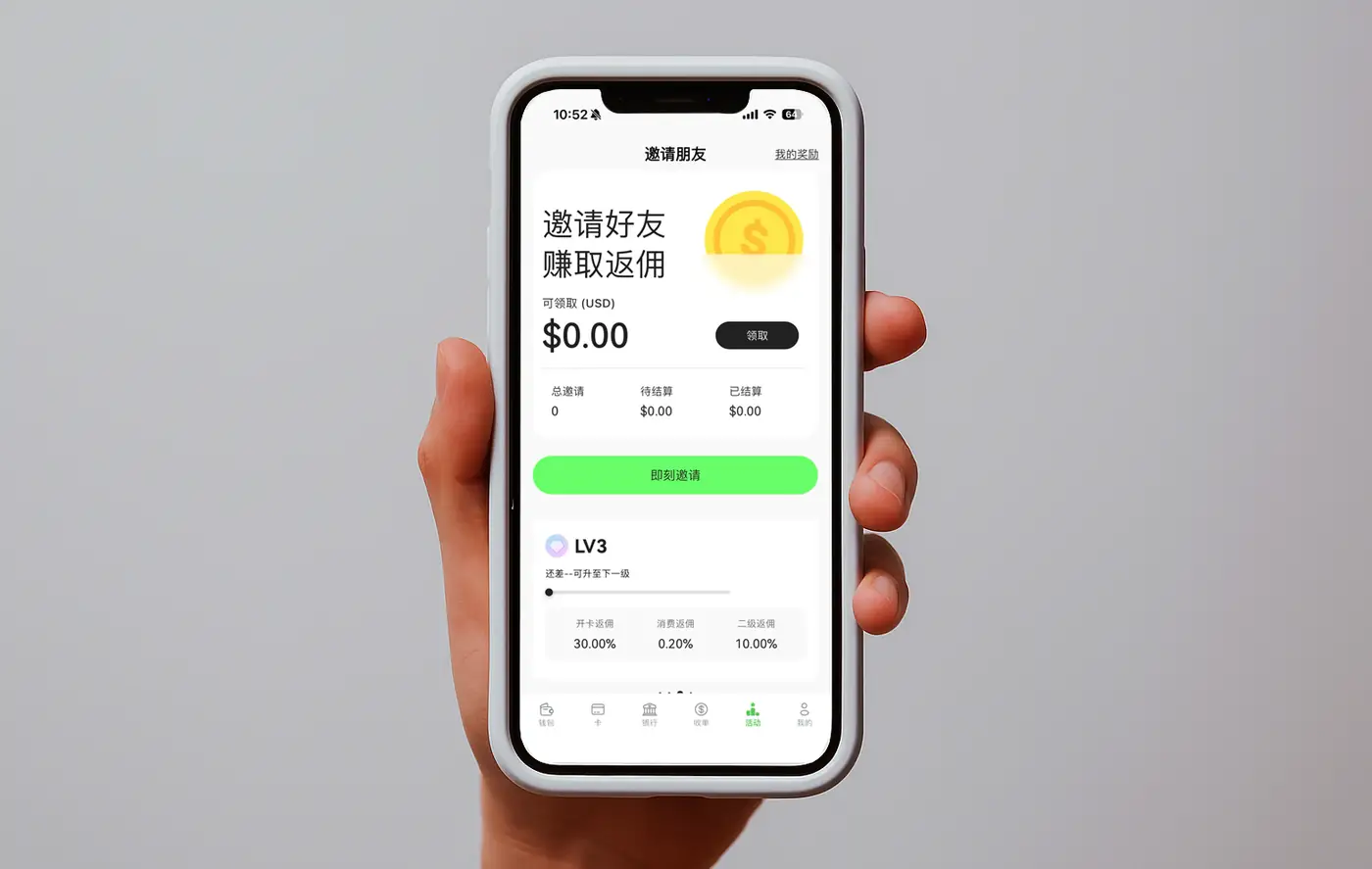
DogPay can help by offering dedicated USD virtual cards linked to a global account. With stablecoin settlement and wallet/payment infrastructure, you can create cards with clear spending limits and get real-time spend visibility. This supports better payment operations for businesses that need to manage international expenses efficiently.
Before relying on virtual cards for all international payments, test with a small transaction to confirm acceptance and fees. Use DogPay's dashboard to monitor activity and adjust limits as needed, keeping your payment workflow flexible and controlled.