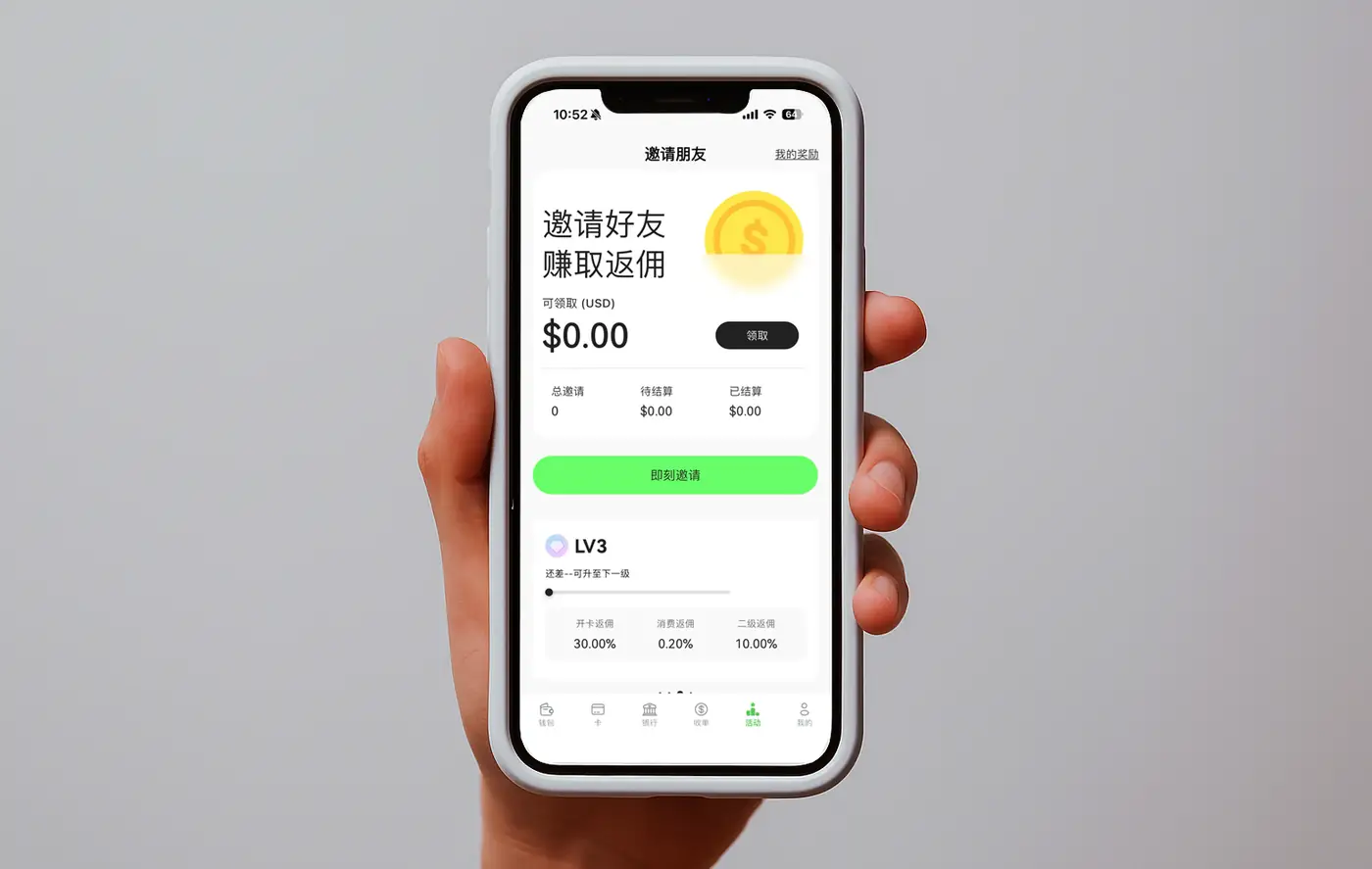
Businesses can leverage DogPay's card-as-a-service to issue virtual cards for employees, contractors, or other use cases without building payment infrastructure from scratch. The platform provides an API-first approach, enabling integration with existing systems for on-demand card issuance. Virtual cards can be created with custom spend limits, expiration dates, and merchant restrictions, giving finance teams granular control over company expenses. DogPay supports multiple currencies and stablecoin settlement, which can reduce cross-border transaction friction. Cards are typically accepted wherever card networks are supported, though acceptance depends on the merchant. Businesses can fund cards via global accounts, and transaction data is accessible for reconciliation. DogPay does not offer auto-top-up features; users must manually fund cards or set up periodic transfers. For companies needing to manage large teams or recurring payments, DogPay's wallet and card infrastructure can help reduce manual processing. DogPay provides the tools for dedicated virtual cards, global accounts, stablecoin settlement, and payment operations. By integrating DogPay, businesses can gain spend visibility, streamline payment workflows, and offer card services to end-users or internal teams without handling compliance and card network complexities themselves.
Virtual Cards / 5 min read
Issuing Virtual Cards with DogPay Card-as-a-Service: A Business Guide
Learn how businesses can issue virtual cards via DogPay s card-as-a-service to streamline payments, manage spend, and enable global payouts with stablecoin settlement.

DogPayCard Editorial