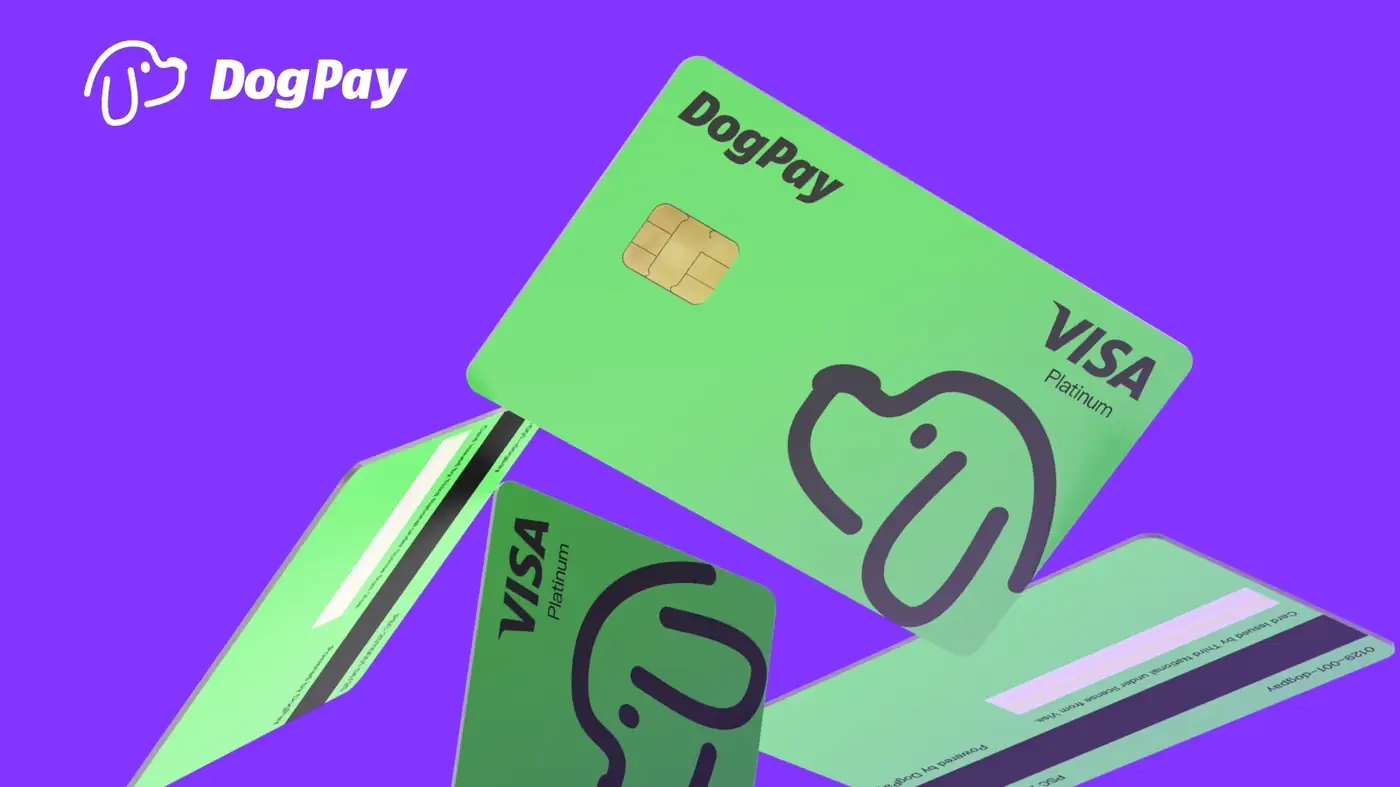
DogPayCard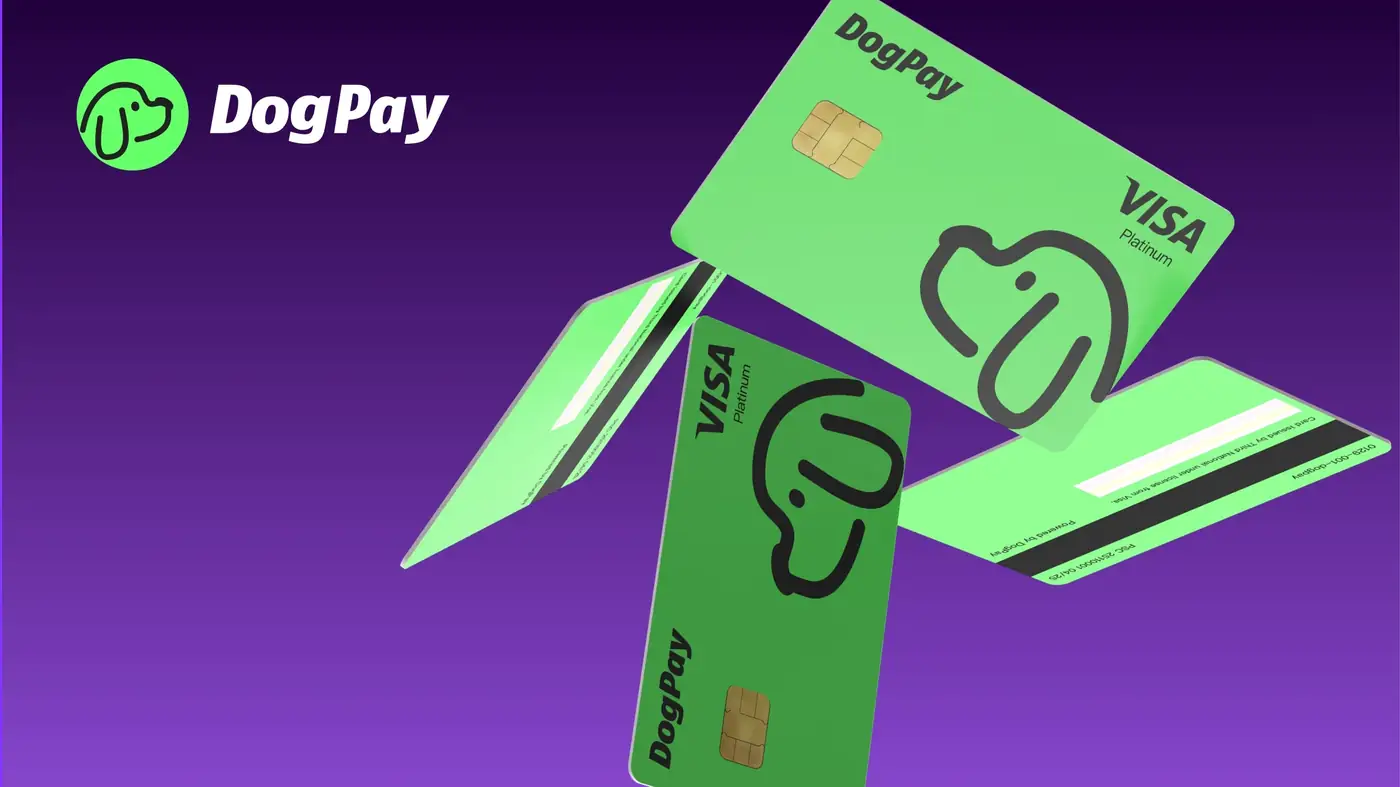
Managing business spending across both fiat and cryptocurrency can be complex. DogPay offers a unified platform where businesses can hold funds in multiple currencies and use dedicated cards for payments. Here's how to apply practical spend control with DogPay's accounts.
First, separate funds by category. Create distinct DogPay accounts for marketing, travel, or software subscriptions. Fund each account with the required fiat or crypto. This simple step prevents overspending in any area.
Second, issue dedicated virtual cards linked to each account. Set spending limits per card. For example, give the marketing team a card with a monthly cap. This way, they can make necessary purchases without exceeding the budget. DogPay can help with card issuance and transaction monitoring, but individual card approval depends on your bank or issuer.
Third, use stablecoins for cross-border payments. If you pay overseas contractors, funding an account with USDC or USDT can reduce settlement delays. Stablecoin transactions aim for fast settlement, but actual speed varies by network and liquidity. DogPay supports stablecoin settlement, enabling efficient global payments when both parties accept crypto.
Fourth, review transaction data regularly. DogPay's dashboard provides a clear view of spending across accounts and cards. Categorize expenses and generate reports to identify trends and adjust budgets. This visibility is crucial for ongoing spend control.
Finally, implement approval workflows. Set up multi-signature requirements for large transactions or new vendors. This adds a layer of control, preventing unauthorized spend. DogPay offers wallet infrastructure that can support such governance.
DogPay provides a practical solution for businesses seeking to control spend across fiat and crypto. By combining separate accounts, dedicated cards, stablecoin settlement, and robust reporting, you can manage payment operations effectively. While DogPay offers the tools, outcomes depend on your internal policies and external issuer decisions. Start with a clear budget, segment your funds, and monitor usage to make informed adjustments.