DogPayCard
For businesses running workloads on Amazon Web Services (AWS), managing cloud billing often involves juggling multiple accounts, teams, and cost centers. Using a dedicated virtual card for AWS can bring more structure to this process. DogPay virtual cards can be used as a payment method for AWS, allowing you to assign a unique card to each AWS account or project. This separation supports clearer cost tracking and can help finance teams map cloud spend to specific budgets or departments.
To set this up, you typically add the DogPay virtual card details to your AWS billing portal as your default payment method. Once added, AWS charges the card for monthly usage. For businesses that prefer to pay in stablecoins or need flexibility with global payments, DogPay offers a global account infrastructure that can settle AWS invoices without traditional banking friction. Since DogPay supports stablecoin settlement, businesses holding USDC or similar assets can fund their card balance and let AWS draw from it.
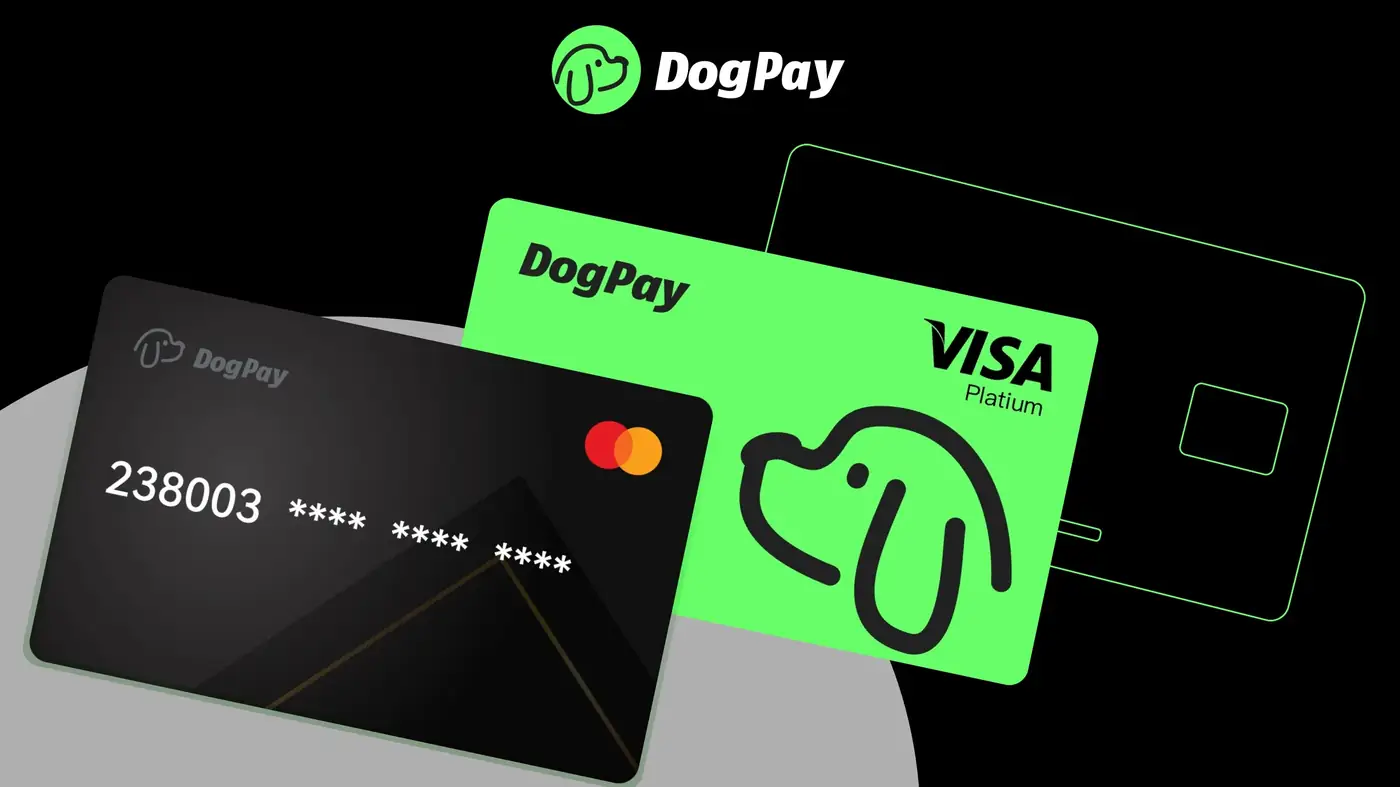
DogPay also provides a wallet and payment infrastructure designed for teams. You can issue multiple virtual cards to different team members or departments, each with its own spend limits. This helps enforce internal budgets and reduces the risk of overspending. While DogPay can improve visibility and control, it does not replace AWS's own billing alerts or governance tools. Regular monitoring of both AWS Cost Explorer and DogPay transaction logs is still recommended.
In summary, DogPay virtual cards offer a practical way to streamline AWS billing. By dedicating cards to cloud accounts, using stablecoin funding, and centralizing spend management, DogPay can help businesses bring more order to cloud payments without disrupting existing workflows.