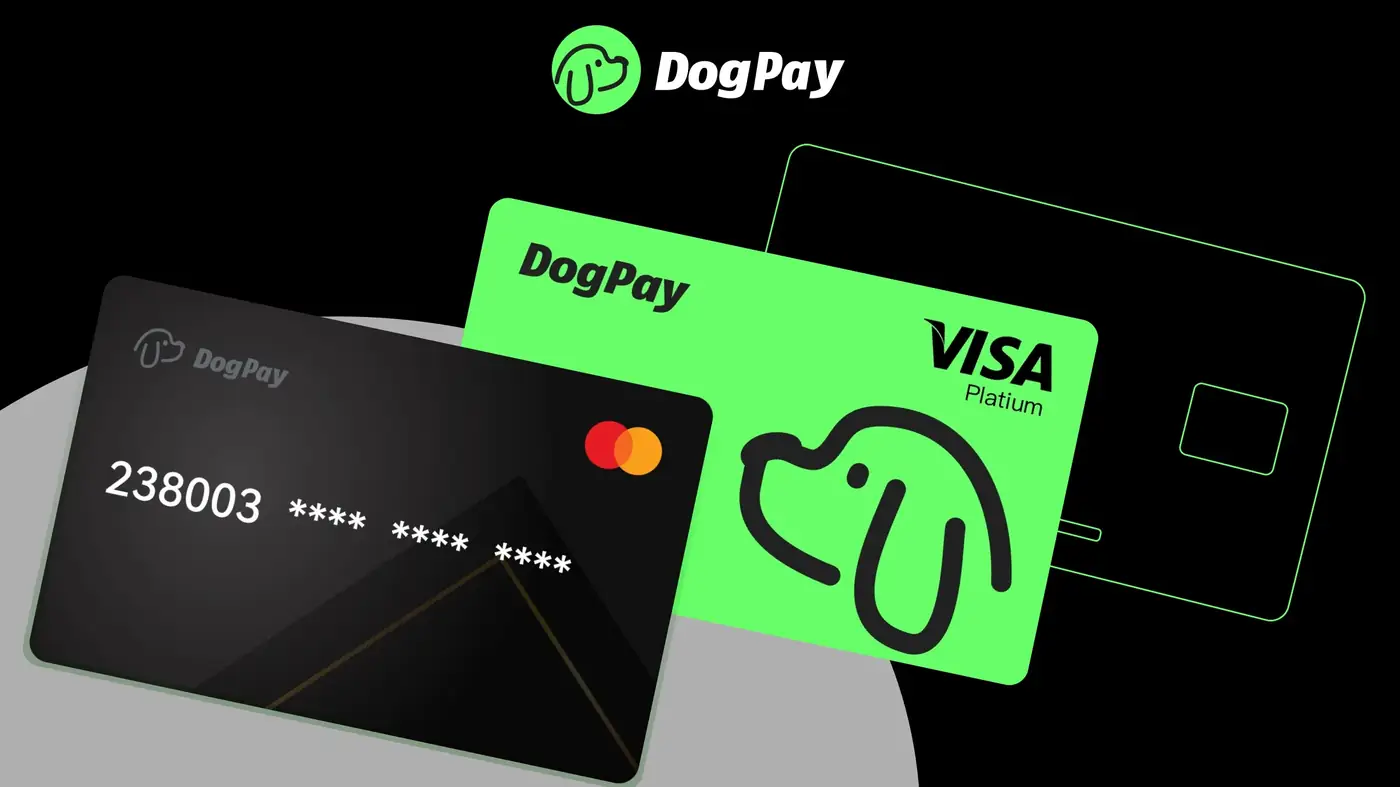
Google Cloud's usage-based pricing means bills can fluctuate. For finance teams, that creates a challenge: managing spend without overcommitting. DogPay virtual cards offer a practical solution. By generating a dedicated card for Google Cloud billing, you can separate this expense from other operational costs. This helps with cost tracking and budget allocation. When you need to scale resources, the card limit can be adjusted, but it's wise to set a limit that matches your expected monthly usage to avoid surprises. However, not all card providers are accepted for cloud billing. Before you commit, test with a small charge to verify that DogPay cards work with your Google Cloud account. Also, ensure your card has sufficient funds to cover estimated usage. Since Google Cloud may attempt multiple authorizations, maintaining a buffer is reasonable. DogPay supports stablecoin settlement, which can streamline international payments by reducing conversion friction. Virtual cards from DogPay provide a clear audit trail for each transaction, simplifying reconciliation. For businesses processing high volumes, using multiple virtual cards per project or department can improve visibility. But remember, you should still monitor your Google Cloud console for detailed usage data. DogPay doesn't automate top-ups; you control when and how much to load. To manage recurring charges, you can set up auto-reload only if that feature is explicitly available in your dashboard. Ultimately, DogPay's infrastructure enables you to pay Google Cloud with a flexible, stablecoin-backed card, giving you control over cloud spend while maintaining financial transparency. It's a modern payment tool that fits into your existing finance stack, helping you manage cloud costs without unnecessary friction.
Cloud Billing / 4 min read
How Can Businesses Use DogPay Cards for Google Cloud Billing?
Learn how DogPay virtual cards can be used for Google Cloud billing. Discover the setup process, benefits, and practical tips for managing cloud costs.

DogPayCard Editorial