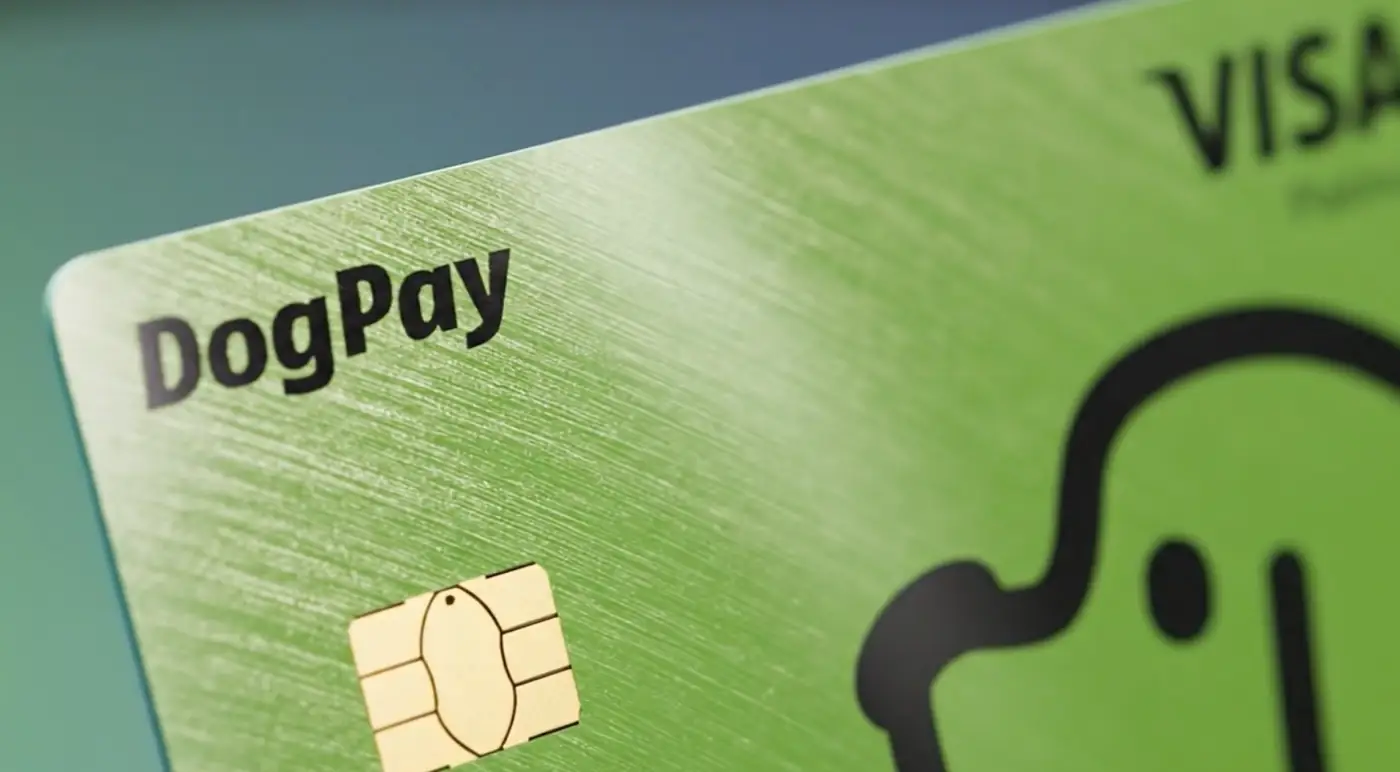
Businesses looking to streamline payment operations can leverage DogPay's card-as-a-service to issue on-demand virtual cards. This model allows companies to create dedicated cards with set spending limits, specific merchant categories, and expiration dates, all without needing a traditional banking license. For example, a SaaS firm can generate single-use virtual cards for ad spend or cloud services, reducing fraud risk and simplifying reconciliation. DogPay also supports stablecoin settlement, meaning transactions can be funded with USDC or USDT, converting to fiat at the point of sale. This can be useful for businesses operating across borders, as it avoids delays from traditional wire transfers. Additionally, DogPay provides a global account that holds funds in both stablecoins and fiat, enabling seamless payment flows. With spend visibility tools, finance teams can track every transaction in real time and adjust limits as needed. While DogPay does not guarantee card acceptance everywhere, its virtual cards are designed to work with major payment networks, offering a flexible alternative to corporate credit cards. By integrating through APIs, companies can automate card issuance and link it to internal approval workflows, reducing manual overhead. DogPay also helps with compliance by providing transaction monitoring and reporting features, assisting businesses in meeting regulatory requirements without assuming responsibility for final approval. Overall, DogPay's card-as-a-service can be a practical component of a modern payment stack, especially for organizations managing distributed teams or global suppliers.
Virtual Cards / 5 min read
How Can Businesses Use DogPay Card-as-a-Service for On-Demand Virtual Cards?
DogPay s card-as-a-service lets businesses issue custom virtual cards for employee spend, vendor payments, and more, with stablecoin settlement and real-time controls.

DogPayCard Editorial