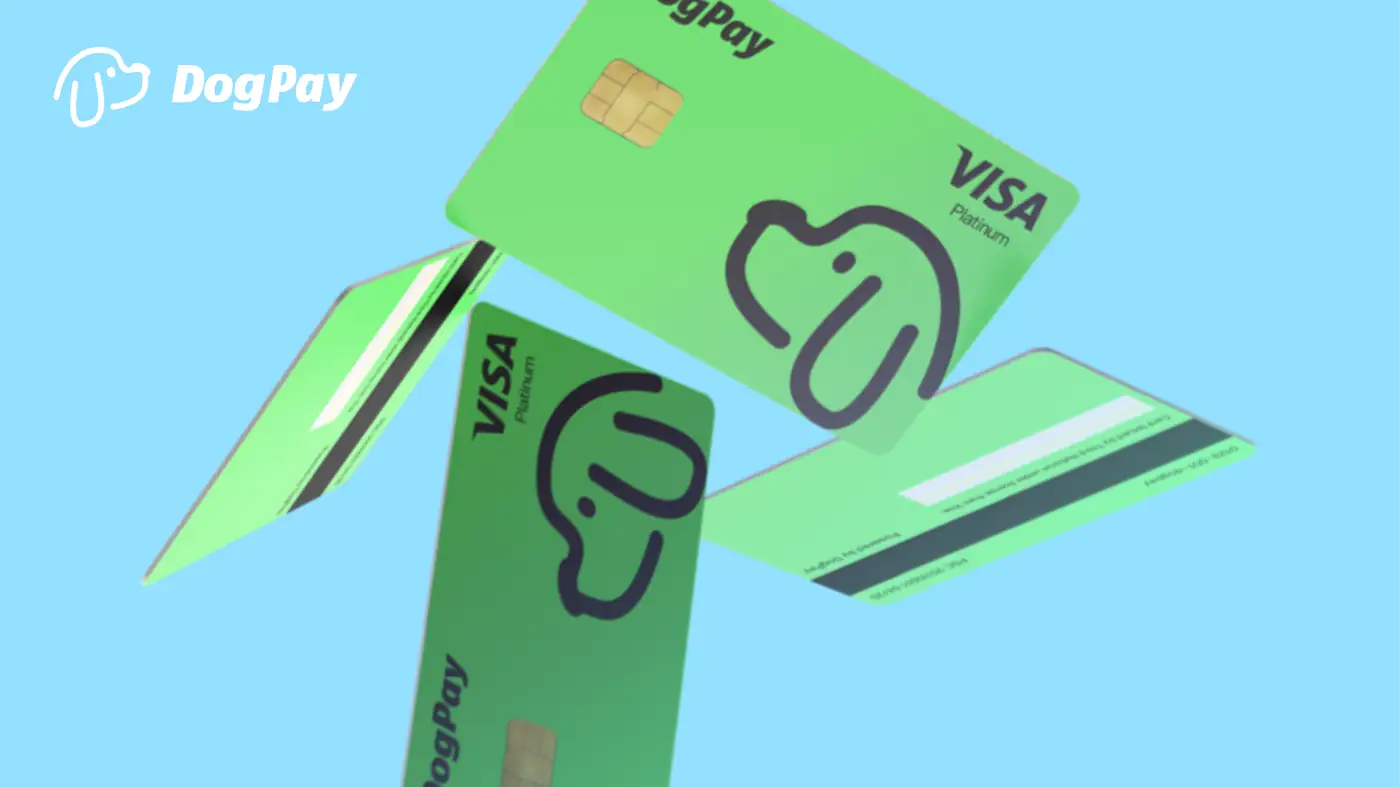
DogPayCard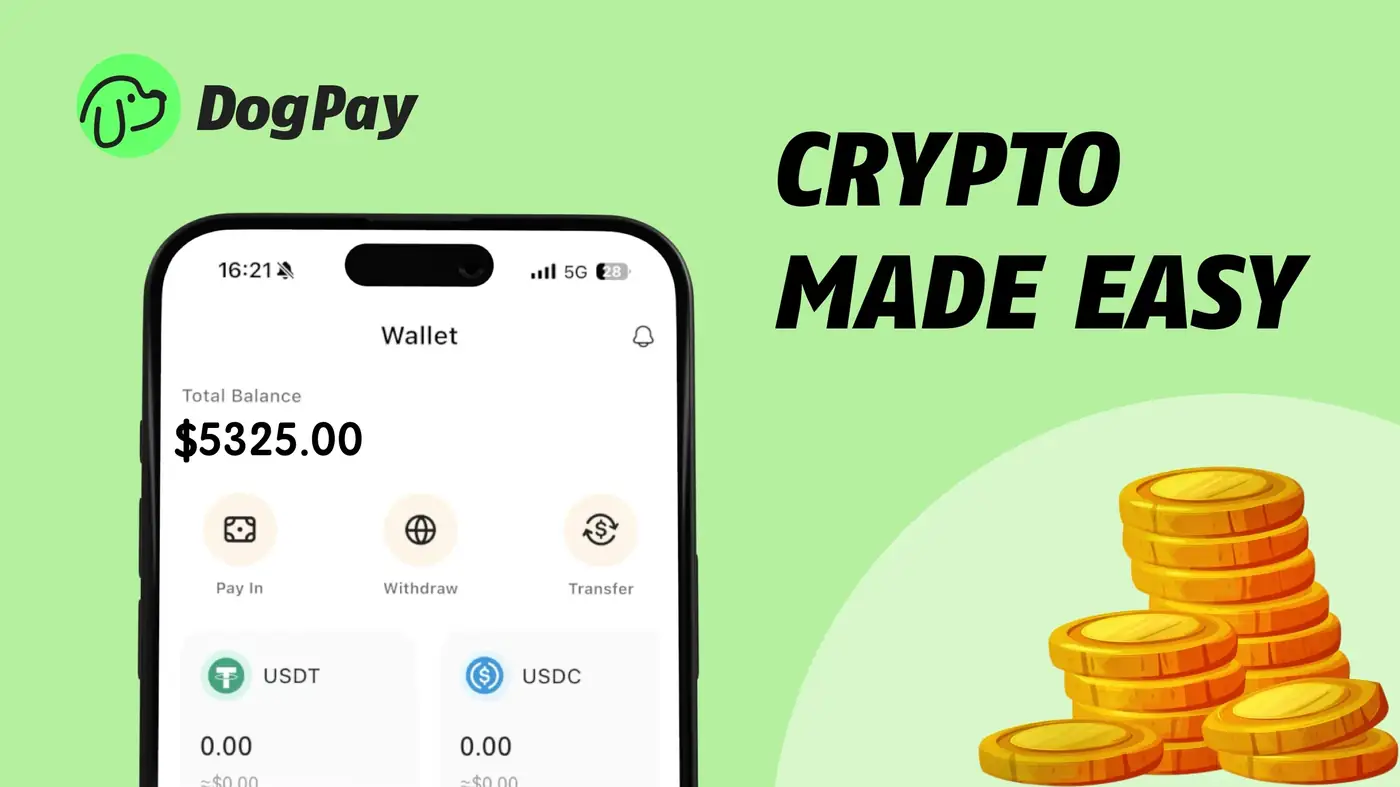
Recurring billing runs on trust: a card that works, a balance that holds, and a provider that answers. When a subscription payment fails, the ripple effect touches the vendor, the service, and your team's momentum. DogPay offers a practical layer for businesses that rely on recurring payments.
Dedicated virtual cards give you a stable payment instrument for each vendor. Instead of sharing one card across multiple subscriptions, you can issue separate cards with controlled limits. This approach reduces the chance of a single declined transaction blocking unrelated services. You also gain clearer visibility into which subscription costs what, making it easier to spot anomalies.
For teams working across borders, DogPay's global account features can help you fund cards in different currencies, potentially reducing friction when paying international SaaS providers. Stablecoin settlement adds another option: if you hold USDC or similar assets, you can convert and settle without waiting for traditional bank rails. That speed can be useful when a vendor's renewal window is tight.
DogPay's wallet infrastructure and spend controls let you set boundaries. You can decide in advance how much a card can handle, and monitor usage in real time. While no system can prevent every decline, preparation matters. A clear view of your payment operations helps you react faster when issues arise.
DogPay fits into this workflow as a payment operations tool. It doesn't replace your accounting software or your vendor relationships, but it gives you dedicated cards, global accounts, and stablecoin options that support smoother recurring billing. Start by mapping your subscriptions, issue cards per vendor, and keep an eye on your dashboard.