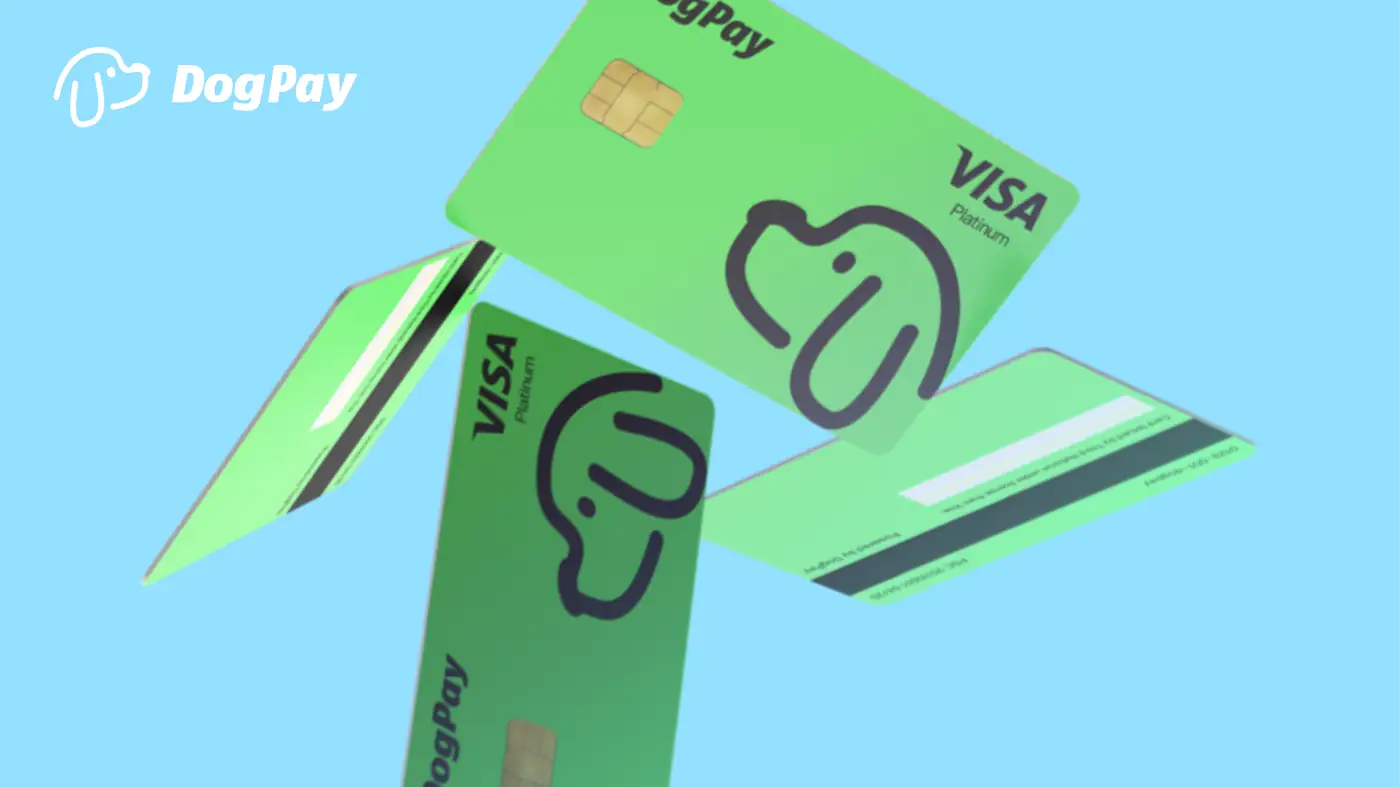
DogPayCard
Managing recurring billing for subscriptions and services can get messy. Each vendor requires a card, and tracking spend across multiple renewals is tough. DogPay offers virtual cards that businesses can use for recurring billing.
With DogPay, you can create dedicated virtual cards for each recurring vendor. This approach keeps each subscription separate, making it easier to track costs and control spending. You can set specific card limits and use cards with different wallets or accounts, which adds a layer of organization.
DogPay supports stablecoin settlement, which can streamline cross-border payments. If you pay vendors in different currencies, you can use USDC or other stablecoins for faster transaction settlement. The platform provides a wallet and payment infrastructure that fits into your existing payment operations.
One practical use case is for global SaaS teams. If you subscribe to tools like cloud hosting or marketing platforms, you can assign a dedicated card per service. This helps with reconciliation and spend visibility. You can also use DogPay for ad spend, where recurring charges are common.
DogPay doesn't replace your entire accounting system. It works alongside your current processes. You can top up your account manually, and the virtual cards draw from available balance. There's no automatic refill feature, so you need to manage your funding. But the ability to isolate each recurring payment helps you stay on top of expenses.
In summary, DogPay can help you manage recurring billing with virtual cards, global accounts, and stablecoin settlement. It gives you more control and clarity over your subscription costs. For businesses that want a flexible way to handle recurring payments, DogPay offers a practical solution.